Upper and Lower Blepharoplasty: Complete Guide to Eyelid Surgery, Procedure, Recovery & Results Introduction Upper and Lower blepharoplasty is a specialized cosmetic and functional eyelid surgery designed to rejuvenate the appearance of the eyes by removing excess skin, fat, and muscle from both the upper and lower eyelids. This procedure is widely performed in oculoplastic …



Upper and Lower Blepharoplasty: Complete Guide to Eyelid Surgery, Procedure, Recovery & Results
Introduction
Upper and Lower blepharoplasty is a specialized cosmetic and functional eyelid surgery designed to rejuvenate the appearance of the eyes by removing excess skin, fat, and muscle from both the upper and lower eyelids. This procedure is widely performed in oculoplastic and aesthetic surgery because the eyes are one of the first areas to show signs of aging.
Many patients begin considering What is Upper and Lower Blepharoplasty? when they notice drooping upper eyelids, under-eye bags, puffiness, or a constantly tired appearance that does not improve with rest. In some cases, excess upper eyelid skin may even interfere with peripheral vision, making the procedure medically necessary rather than purely cosmetic.
This comprehensive guide explains everything you need to know about Upper and Lower blepharoplasty, including how the procedure is performed, recovery timeline, results, risks, cost factors, and how to choose the right surgeon.
At professional aesthetic clinics like 👉 Clearlee Perfect Aesthetics.com/, eyelid rejuvenation is carefully tailored to maintain natural facial expression while improving both function and aesthetics.
What is Upper and Lower Blepharoplasty?
Upper and Lower blepharoplasty is a surgical procedure that improves the appearance of the eyelids by removing or repositioning excess skin, fat, and sometimes muscle from the upper and lower eyelids.
- Upper blepharoplasty focuses on correcting droopy upper eyelids and removing excess skin that can cause heaviness or vision obstruction.
- Lower blepharoplasty targets under-eye bags, puffiness, wrinkles, and hollowing to create a smoother under-eye contour.
Together, they create a more youthful, refreshed, and alert appearance.
Medical Purpose of Blepharoplasty
According to the American Academy of Ophthalmology, blepharoplasty is not only cosmetic but also functional in many cases, especially when excess eyelid skin affects vision or daily activities.
The procedure is commonly referred to as:
- Eyelid lift surgery
- Eyelid rejuvenation surgery
- Upper eyelid blepharoplasty
- Lower eyelid fat removal surgery
Why Do People Get Upper and Lower Blepharoplasty?
There are several aesthetic and medical reasons why patients choose Upper and Lower blepharoplasty.
1. Aging Effects
As we age, skin loses elasticity and muscles weaken. This leads to:
- Drooping upper eyelids
- Under-eye bags
- Wrinkles and fine lines
- Tired facial expression
2. Genetic Factors
Some individuals naturally develop:
- Puffy lower eyelids
- Excess upper eyelid skin at a younger age
- Deep tear troughs
3. Vision Improvement
In severe cases, excess upper eyelid skin can block peripheral vision, making daily tasks like reading and driving difficult.
4. Cosmetic Enhancement
Many patients simply want:
- Brighter eyes
- More youthful appearance
- Improved facial harmony
How is Upper Blepharoplasty Performed?
Understanding the procedure helps reduce anxiety and sets realistic expectations.
Step 1: Consultation
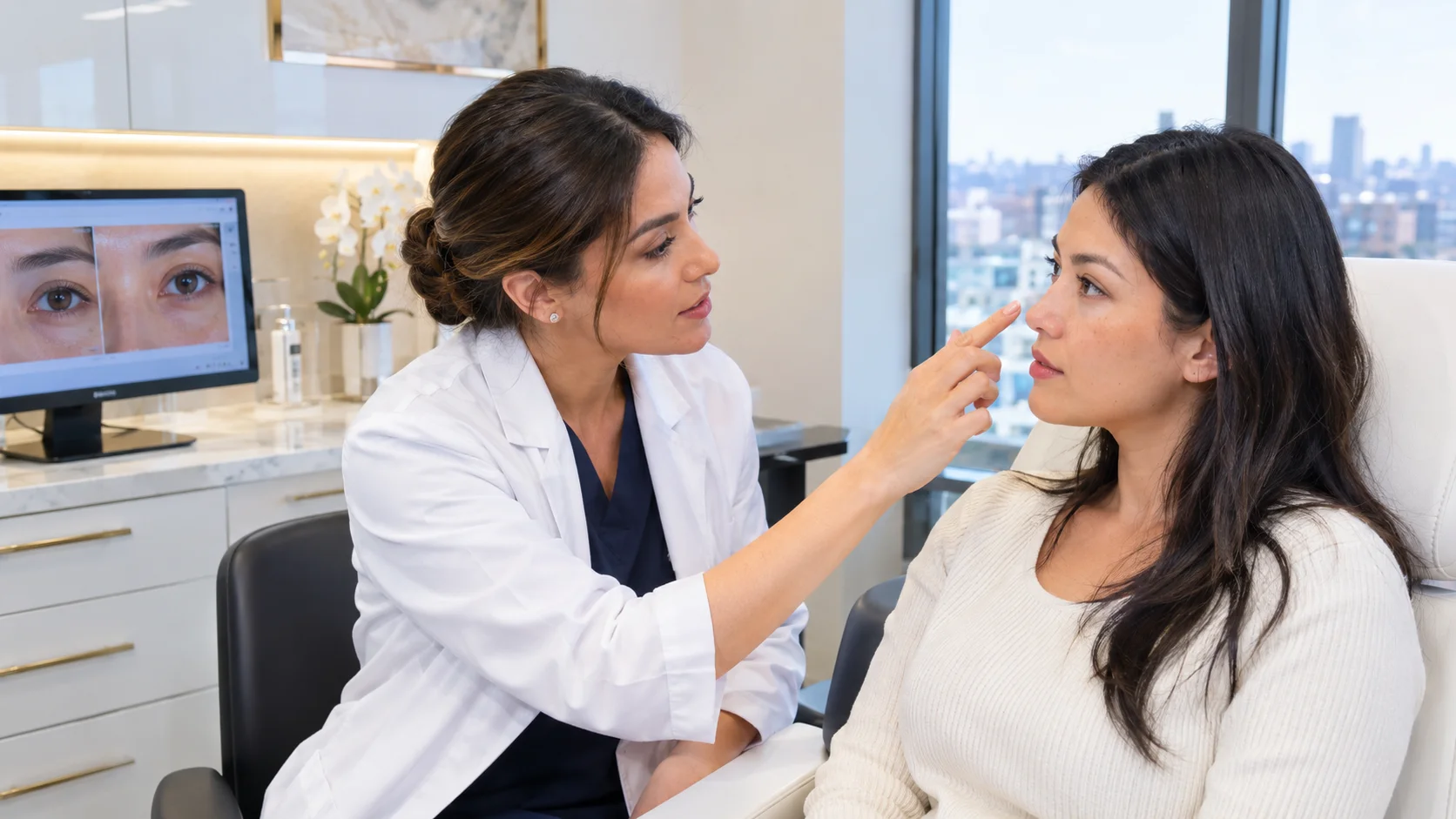
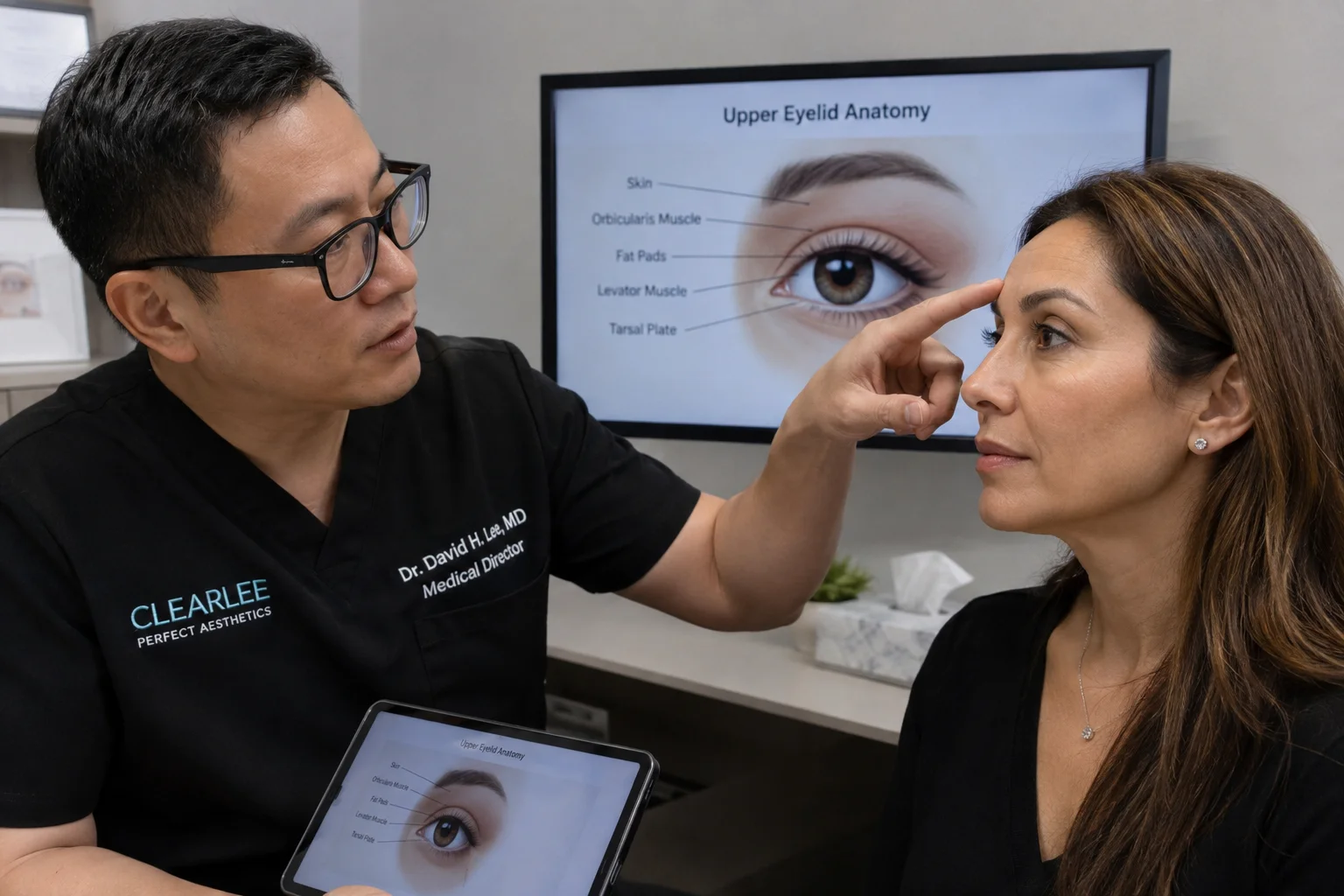
The process begins with a detailed consultation where the surgeon evaluates:
- Eyelid structure
- Skin laxity
- Fat distribution
- Medical history
The surgeon also discusses whether the patient needs upper blepharoplasty alone or combined upper and lower eyelid surgery.
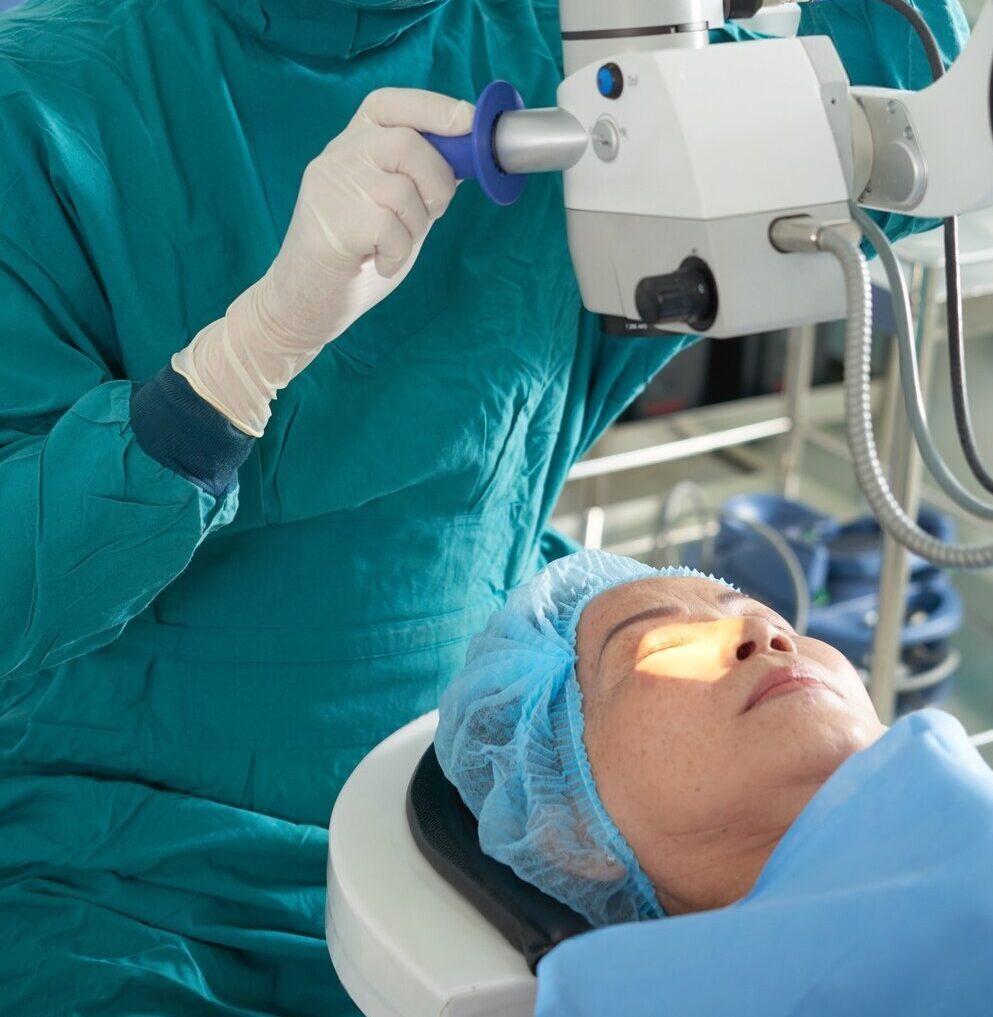
Step 2: Anesthesia
The procedure is usually performed under:
- Local anesthesia
- Sometimes mild sedation for comfort
Step 3: Surgical Incision
A small incision is made along the natural crease of the upper eyelid. This ensures minimal visible scarring.
Step 4: Tissue Adjustment
The surgeon:
- Removes excess skin
- Repositions or removes fat
- Tightens muscle if necessary
Step 5: Closure
Fine sutures are used to close the incision carefully. These may dissolve naturally or be removed after several days.
The goal is a natural-looking eyelid contour without altering eye shape.
How is Lower Blepharoplasty Performed?
Lower eyelid surgery focuses on under-eye rejuvenation.
Step 1: Consultation
The surgeon evaluates:
- Under-eye bags
- Skin laxity
- Fat bulging
- Tear trough depth
Step 2: Anesthesia
Local anesthesia is typically used, sometimes with sedation.
Step 3: Incision Placement
There are two main approaches:
- Below the lash line (external incision)
- Inside the eyelid (transconjunctival technique)
Step 4: Fat Repositioning or Removal
The surgeon may:
- Remove fat pockets
- Reposition fat for smoother contour
- Tighten skin if needed
Step 5: Closure
Fine sutures or internal healing techniques are used depending on incision type.
Upper and Lower Blepharoplasty Recovery Process
Recovery is an important part of achieving optimal results.
Immediate Aftercare (Day 1–3)
- Swelling and bruising
- Mild discomfort
- Tight sensation around eyes
- Cold compress recommended
Early Healing (Day 4–7)
- Swelling starts reducing
- Bruising changes color
- Stitches may be removed
Intermediate Recovery (Week 2–4)
- Eyes look more natural
- Makeup may be allowed
- Social activity resumes
Full Recovery (1–3 Months)
- Final eyelid contour visible
- Scars fade significantly
- Natural refreshed appearance achieved
Upper and Lower Blepharoplasty Recovery Timeline Table
| Time Period | Healing Stage | What Happens |
|---|---|---|
| Day 1–3 | Initial healing | Swelling & bruising |
| Day 4–7 | Early recovery | Reduced inflammation |
| Week 2 | Visible improvement | Normal appearance returns |
| Week 4–6 | Advanced healing | Minimal swelling |
| Month 2–3 | Final results | Fully healed appearance |
Upper and Lower Blepharoplasty Before and After Results


The results of Upper and Lower blepharoplasty are often transformative yet natural-looking.
Expected Improvements:
- Reduced eyelid drooping
- Smoother under-eye area
- Youthful eye contour
- Brighter and more awake appearance
It is important to understand that final results depend on:
- Skin quality
- Age
- Healing response
- Surgical technique
Is Upper and Lower Blepharoplasty Painful?
Most patients report only mild discomfort.
During Surgery:
- No pain due to anesthesia
After Surgery:
- Mild tightness
- Slight burning sensation
- Temporary dryness
Pain is usually manageable with standard medication.
Who is a Good Candidate?
You may be a suitable candidate if you:
- Have droopy upper eyelids
- Experience under-eye bags
- Notice aging around eyes
- Are in good general health
- Have realistic expectations
Both men and women can benefit from this procedure.
Upper and Lower Blepharoplasty Cost Factors
The cost varies based on multiple factors:
- Surgeon expertise
- Clinic location (NYC is higher)
- Complexity of correction
- Whether both eyelids are treated
Average Cost Range:
- Upper blepharoplasty: $2,500 – $6,000
- Lower blepharoplasty: $3,000 – $7,500
- Combined surgery: $6,000 – $12,000+
Does Insurance Cover Blepharoplasty?
In some cases, insurance may cover upper blepharoplasty if:
- Vision is significantly impaired
- Medical documentation confirms functional need
Cosmetic cases are usually not covered.
Risks and Considerations
Although safe, Upper and Lower blepharoplasty carries some risks:
- Swelling and bruising
- Temporary dry eyes
- Mild scarring
- Asymmetry in rare cases
- Infection (rare with proper care)
Choosing an experienced surgeon greatly reduces risks.
Choosing the Right Clinic in NYC
Selecting the right specialist is essential for safe and natural results.
A qualified clinic should provide:
- Board-certified surgeons
- Eyelid surgery expertise
- Real patient results
- Transparent consultation
- Personalized treatment planning
Clinics like 👉Clearlee Perfect Aesthetics focus on natural eyelid rejuvenation with medically safe and aesthetic outcomes.
Frequently Asked Questions (FAQ)
What is Upper and Lower Blepharoplasty?
It is a surgical procedure that improves upper and lower eyelids by removing excess skin and fat.
How long does blepharoplasty last?
Results typically last 7–10 years or longer.
How painful is eyelid surgery?
Pain is usually mild and temporary.
What is recovery time?
Most patients recover within 2–3 weeks.
Does blepharoplasty change eye shape?
It enhances eyelid appearance but preserves natural eye shape.
Can both upper and lower be done together?
Yes, combined surgery is common.
Is blepharoplasty worth it?
For many patients, it significantly improves appearance and confidence.
Conclusion
Upper and Lower blepharoplasty is one of the most effective eyelid rejuvenation procedures available today. It addresses both functional concerns like vision obstruction and cosmetic issues such as droopy eyelids and under-eye bags.
With proper surgical planning, realistic expectations, and an experienced specialist, patients can achieve long-lasting, natural-looking results that enhance both appearance and confidence.
If you are considering eyelid surgery, a professional consultation is the best first step to determine the right treatment plan for your needs.