Upper Blepharoplasty: Complete Guide to Eyelid Surgery, Cost, Recovery & Results Introduction Upper blepharoplasty is a cosmetic and sometimes functional eyelid surgery designed to remove excess skin, fat, and muscle from the upper eyelids. It is one of the most commonly performed procedures in oculoplastic surgery, especially among patients experiencing droopy eyelids, tired-looking eyes, or …


Upper Blepharoplasty: Complete Guide to Eyelid Surgery, Cost, Recovery & Results
Introduction
Upper blepharoplasty is a cosmetic and sometimes functional eyelid surgery designed to remove excess skin, fat, and muscle from the upper eyelids. It is one of the most commonly performed procedures in oculoplastic surgery, especially among patients experiencing droopy eyelids, tired-looking eyes, or even vision obstruction caused by sagging skin.
Many people start considering upper blepharoplasty when they notice that their eyelids are beginning to affect both appearance and daily life. In some cases, the upper eyelid skin becomes heavy enough to reduce peripheral vision, while in others, it creates a constantly fatigued or aged appearance even when the person feels well-rested.
At our aesthetic clinic website, 👉 Clearlee Perfect Aesthetics, patients often seek this procedure for both cosmetic rejuvenation and functional improvement. The goal of this treatment is not to change who you are, but to restore a more youthful, alert, and refreshed appearance while maintaining natural eye expression.
This guide explains everything you need to know about upper eyelid surgery blepharoplasty including cost, recovery, before and after results, healing timeline, and whether it is the right option for you.
What is Upper Blepharoplasty?
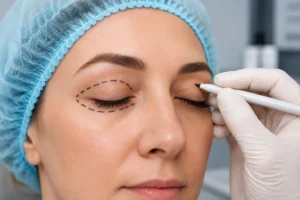
Upper blepharoplasty, also known as upper eyelid blepharoplasty, is a surgical procedure that removes or repositions excess skin and fat from the upper eyelids.
Over time, aging, genetics, and environmental factors cause the eyelid skin to lose elasticity. This leads to:
- Hooded or droopy eyelids
- Reduced eyelid crease visibility
- Heavy eyelid sensation
- Visual obstruction in severe cases
- Tired or aged facial appearance
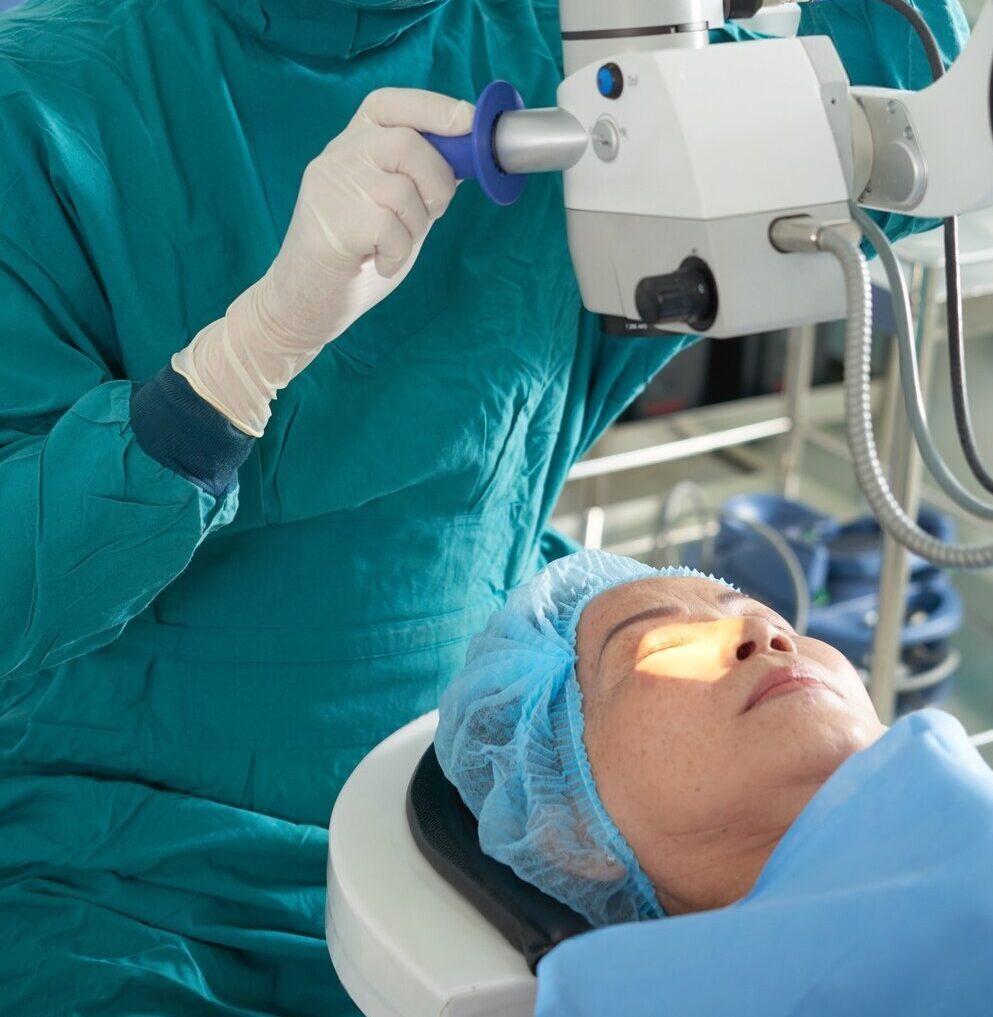
During the procedure, a small incision is made along the natural eyelid crease. Through this incision, the surgeon carefully removes or adjusts excess skin and fat. The result is a smoother, more defined eyelid contour.
According to the Mayo Clinic, blepharoplasty is both a cosmetic and medically necessary procedure when excess eyelid skin interferes with vision or daily functioning.
The procedure can be performed on its own or combined with other treatments such as brow lift or lower eyelid surgery for more comprehensive facial rejuvenation.
Upper Blepharoplasty Cost & Pricing Breakdown
One of the most common questions patients ask is: how much does upper blepharoplasty cost?
The cost of upper blepharoplasty varies depending on multiple factors such as surgeon expertise, geographic location, and complexity of the procedure.
Average Cost Range (USA & NYC)
- Basic upper eyelid blepharoplasty: $2,500 – $4,500
- Moderate correction cases: $4,000 – $6,500
- Complex or combined procedures: $6,500 – $10,000+
In high-demand cities like New York, especially for upper blepharoplasty NYC, pricing tends to be higher due to increased surgeon expertise and clinic standards.
Cost Comparison Table
| Procedure Type | Complexity Level | Estimated Cost (USD) |
|---|---|---|
| Small eyelid correction | Mild skin excess | $2,500 – $3,500 |
| Medium eyelid correction | Moderate drooping | $3,500 – $5,500 |
| Full upper eyelid surgery | Severe hooding | $5,500 – $8,000+ |
The blepharoplasty upper cost also increases when combined with lower eyelid surgery or brow lifting procedures.
Factors Affecting Upper Blepharoplasty Cost
Several important factors influence the final price of upper eyelid surgery blepharoplasty:
1. Surgeon Experience
Highly experienced oculoplastic surgeons typically charge more due to their expertise and precision.
2. Clinic Location
Clinics in metropolitan areas such as New York City generally have higher operational costs, impacting pricing.
3. Surgical Complexity
Some patients require only skin removal, while others need fat repositioning or muscle tightening.
4. Combined Procedures
When upper and lower blepharoplasty are performed together, the cost increases but may be more cost-effective overall.
5. Anesthesia & Facility Fees
Operating room charges, anesthesia type, and aftercare support also contribute to total cost.
According to the American Academy of Ophthalmology, costs can vary widely based on whether the surgery is cosmetic or medically necessary.
Upper Blepharoplasty Before and After Results
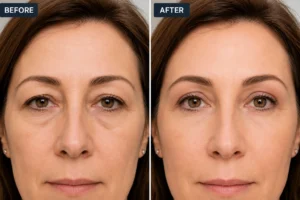
The transformation after upper blepharoplasty before and after is often subtle but highly impactful.
Patients typically notice:
- More open and refreshed eyes
- Reduced eyelid heaviness
- Improved facial symmetry
- More youthful appearance
- Better visibility in some functional cases
However, expectations should remain realistic. The goal is natural enhancement, not dramatic alteration.
Healing & Results Timeline
- Initial swelling: 3–7 days
- Noticeable improvement: 2–3 weeks
- Final results: 1–3 months
Before and after photos usually show a significant reduction in hooding and a more defined eyelid crease.
Upper Blepharoplasty Recovery Photos Day by Day
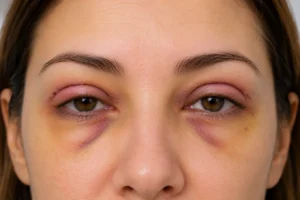
Understanding recovery helps patients prepare mentally and physically for surgery.
Day 1–3
- Swelling and mild bruising
- Tightness around eyelids
- Slight discomfort (manageable with medication)
Day 4–7
- Swelling starts reducing
- Bruising changes color (yellow/green tones)
- Stitches may be removed (if non-dissolvable used)
Week 2–4
- Major improvement in appearance
- Makeup can often be used after approval
- Most patients return to normal activities
Full Recovery (1–3 months)
- Final eyelid contour visible
- Scars fade significantly
- Natural-looking results fully settled
How Many Days Recovery Takes?
Recovery from upper blepharoplasty varies by individual, but generally:
- Light activity: 2–3 days
- Work return: 7–10 days
- Social visibility: 10–14 days
- Full healing: 4–6 weeks
Swelling and bruising are most noticeable in the first week but improve quickly afterward.
Is Upper Blepharoplasty Painful?
Most patients are surprised by how minimal discomfort is after surgery.
During Procedure:
- Local anesthesia or light sedation is used
- No pain is felt during surgery
After Surgery:
- Mild tightness or soreness
- Temporary dryness or irritation
- Managed easily with prescribed medication
Compared to other facial surgeries, upper lid blepharoplasty is considered low in pain intensity.
Upper and Lower Blepharoplasty Comparison
| Feature | Upper Blepharoplasty | Lower Blepharoplasty |
|---|---|---|
| Area treated | Upper eyelid | Under-eye area |
| Main issue | Droopy skin, hooding | Bags, puffiness |
| Recovery time | 1–3 weeks | 2–4 weeks |
| Purpose | Functional + cosmetic | Mainly cosmetic |
Many patients choose combined upper and lower blepharoplasty for full eye rejuvenation.
Who is a Good Candidate?
You may be a suitable candidate for upper blepharoplasty if you:
- Have droopy or sagging upper eyelids
- Experience vision obstruction from eyelid skin
- Look tired despite adequate rest
- Are in good general health
- Do not have uncontrolled eye conditions
Both younger and older patients can benefit depending on genetics and skin condition.
Choosing the Best Clinic in NYC
Selecting the right clinic is the most important step in achieving safe and natural results.
A high-quality clinic should offer:
- Board-certified surgical expertise
- Experience in oculoplastic procedures
- Personalized consultation
- Real before and after results
- Transparent pricing
At 👉 https://www.clearleeperfectaesthetics.com/ , patients receive a tailored evaluation based on facial anatomy, eyelid structure, and aesthetic goals. The focus is always on natural enhancement and medical safety.
Upper Blepharoplasty Recovery Timeline vs Healing Stage
| Time Period | Healing Stage | What to Expect |
|---|---|---|
| Day 1–3 | Initial healing | Swelling, bruising |
| Day 4–7 | Early recovery | Reduced inflammation |
| Week 2 | Visible improvement | Normal appearance returning |
| Week 4–6 | Advanced healing | Minimal residual swelling |
| Month 2–3 | Final results | Fully settled eyelid contour |
Frequently Asked Questions (FAQ)
How much does upper blepharoplasty cost?
The cost of upper blepharoplasty varies significantly depending on the surgeon’s experience, clinic location, and the complexity of the eyelid correction needed. On average, patients in the United States typically pay between $2,500 and $8,000 for upper eyelid surgery.
In major cities like New York, especially for upper blepharoplasty NYC, prices are often higher due to advanced surgical expertise and higher facility standards.
Several factors influence the final price:
- Whether only skin removal is needed or fat repositioning is required
- Surgeon’s qualifications and specialization in oculoplastic surgery
- Anesthesia and operating room fees
- Whether the procedure is cosmetic or medically necessary
If the surgery is performed to improve vision (for example, when droopy eyelids block sight), part of the cost may sometimes be covered by insurance after proper medical evaluation. Cosmetic procedures, however, are usually self-funded.
What is upper blepharoplasty?
Upper blepharoplasty is a surgical procedure designed to improve the appearance and function of the upper eyelids by removing excess skin, muscle, and sometimes fat.
As we age, the skin around the eyes naturally loses elasticity, causing drooping or “hooded” eyelids. This can make the face appear tired, aged, or even sad. In more severe cases, it can affect peripheral vision.
The procedure involves:
- A small incision hidden in the natural eyelid crease
- Careful removal or adjustment of excess tissue
- Precise reshaping of the eyelid for a natural look
The goal is not to change your facial identity but to restore a more refreshed, youthful, and alert appearance while maintaining natural eye movement and expression.
How long does upper blepharoplasty last?
Results from upper eyelid blepharoplasty are long-lasting but not completely permanent, as the natural aging process continues.
Most patients enjoy results that last 7 to 10 years or longer, depending on:
- Skin quality and elasticity
- Age at the time of surgery
- Lifestyle factors (sun exposure, smoking, skincare)
- Genetics and natural aging speed
While the procedure removes excess skin and fat, it does not stop aging. However, the eyes will always look more youthful compared to if the surgery had never been performed.
In many cases, patients only require one procedure in their lifetime.
Does insurance cover upper blepharoplasty?
Insurance coverage for upper blepharoplasty depends on whether the surgery is considered medically necessary or purely cosmetic.
Insurance may partially or fully cover the procedure if:
- Excess upper eyelid skin significantly blocks vision
- A documented visual field test confirms impairment
- Symptoms affect daily activities such as reading or driving
In such cases, an ophthalmologist or oculoplastic surgeon must provide medical documentation.
However, if the surgery is performed only for cosmetic reasons (to improve appearance), insurance does not cover the cost.
A proper consultation and vision assessment are required to determine eligibility.
How painful is upper eyelid surgery?
Most patients are pleasantly surprised by how minimal the pain is after upper blepharoplasty.
During the procedure:
- Local anesthesia or light sedation is used
- Patients do not feel pain during surgery
After surgery:
- Mild tightness or pressure around the eyelids is common
- Some swelling and bruising may occur for a few days
- Discomfort is usually mild and manageable with prescribed medication
Most patients describe the sensation more as “tightness” rather than actual pain. Within a week, discomfort significantly reduces as healing progresses.
What is the recovery time for upper blepharoplasty?
Recovery from upper eyelid blepharoplasty is relatively quick compared to other facial surgeries.
Typical recovery timeline:
- First 2–3 days: swelling and mild bruising peak
- 5–7 days: stitches removed (if non-dissolvable used)
- 7–10 days: return to work and normal activities
- 2–3 weeks: most visible swelling resolves
- 4–6 weeks: near-complete healing
Final results continue to refine for up to 2–3 months as residual swelling fully disappears.
Patients are usually advised to avoid strenuous activity, heavy lifting, and excessive sun exposure during early recovery.
Is upper blepharoplasty worth it?
For many patients, upper blepharoplasty is considered highly worth it, especially when droopy eyelids affect both appearance and vision.
Benefits include:
- More youthful and refreshed appearance
- Improved eyelid symmetry and definition
- Better peripheral vision in functional cases
- Long-lasting results with minimal maintenance
- Boost in self-confidence
Unlike temporary cosmetic treatments, this procedure provides structural correction that can last many years.
However, the decision should be based on realistic expectations and a professional evaluation by a qualified surgeon.
Does upper blepharoplasty change eye shape?
A well-performed upper eyelid blepharoplasty does not change the natural eye shape.
Instead, it:
- Removes excess skin that may be covering the eyelid
- Restores a more open and defined eyelid crease
- Enhances natural eye visibility
The goal is subtle rejuvenation, not alteration of identity. When performed conservatively, the eyes look more awake and youthful while maintaining natural proportions.
Overcorrection or excessive tissue removal is avoided by experienced surgeons to preserve natural expression.
How much is upper and lower blepharoplasty together?
When both upper and lower eyelids are treated together, the procedure is known as combined blepharoplasty.
The cost typically ranges from:
- $5,000 – $12,000+ depending on complexity and surgeon expertise
Combined procedures are often more cost-efficient than doing them separately.
Benefits of combining both:
- Single recovery period
- Balanced and harmonious eye rejuvenation
- Comprehensive correction of both drooping lids and under-eye bags
This option is commonly chosen by patients seeking full peri-orbital rejuvenation.
Can I combine brow lift with blepharoplasty?
Yes, many patients combine a brow lift with upper blepharoplasty for more complete upper-face rejuvenation.
This combination is recommended when:
- Eyelid drooping is caused by low or heavy brows
- There is excess skin from both forehead and eyelid area
- A more dramatic yet natural lift is desired
Combining procedures can:
- Improve eyelid symmetry
- Enhance overall facial balance
- Provide longer-lasting aesthetic results
However, suitability depends on individual facial anatomy and should be determined during consultation with a qualified specialist.
Conclusion
Upper blepharoplasty is a highly effective procedure for improving both the function and appearance of the upper eyelids. Whether you are dealing with droopy eyelids, vision obstruction, or simply a tired appearance, this surgery offers long-lasting and natural-looking results.
With proper consultation, realistic expectations, and an experienced surgeon, patients can achieve significant rejuvenation with minimal downtime.
If you are considering upper eyelid surgery blepharoplasty, a professional consultation can help determine the best approach based on your anatomy and goals.