Sensitive Skin Care: An Expert Guide to Building a Healthier Skin Barrier in NYC Location: Flushing, Queens, New York City Practice: ClearLee Perfect Aesthetics Medical Director: Dr. David H. Lee, MD Why Sensitive Skin Doesn't Always Mean the Same Thing If your face feels tight after cleansing, turns red after trying a new moisturizer, or …


Sensitive Skin Care: An Expert Guide to Building a Healthier Skin Barrier in NYC
Location: Flushing, Queens, New York City
Practice: ClearLee Perfect Aesthetics
Medical Director: Dr. David H. Lee, MD
Why Sensitive Skin Doesn’t Always Mean the Same Thing
If your face feels tight after cleansing, turns red after trying a new moisturizer, or becomes irritated when the weather changes, you’re not alone. Many people searching for sensitive skin care are looking for answers because their skin reacts differently from what friends, family, or even product labels suggest.
One of the biggest misconceptions we hear during consultations is that sensitive skin is a specific skin type. In reality, it is more accurate to think of sensitivity as a condition that can affect almost anyone. Even individuals who have oily or combination skin can suddenly experience burning, itching, dryness, or redness after using products that weaken the skin’s natural protective barrier.
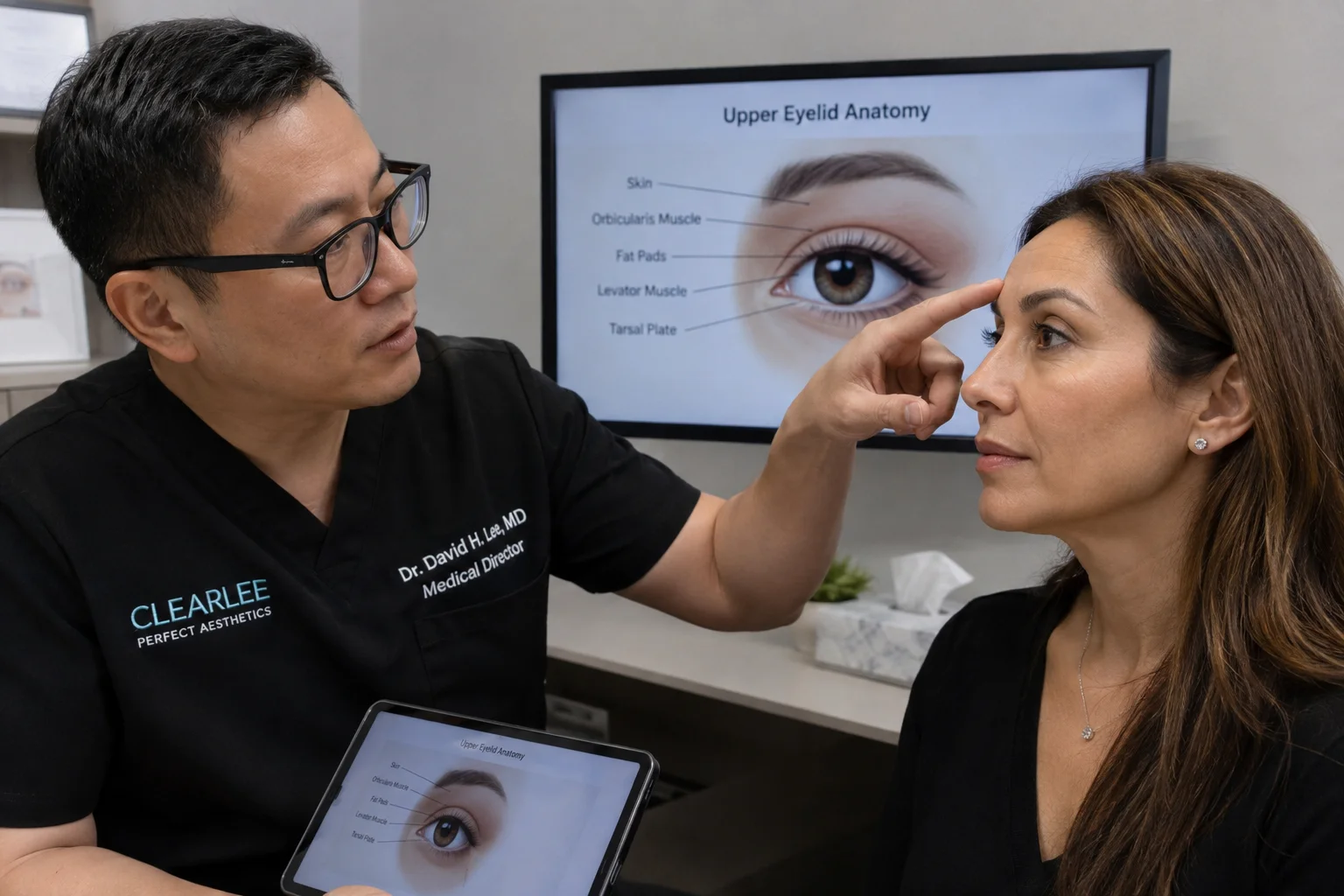
At ClearLee Perfect Aesthetics in Flushing, Queens, our team understands that successful sensitive skin care begins with identifying what is causing irritation rather than simply covering the symptoms. Under the guidance of Dr. David H. Lee, MD, every skin assessment focuses on understanding your lifestyle, daily routine, environmental exposure, and long-term skincare goals before recommending any treatment.
Instead of chasing trends, the goal is to restore balance while helping your skin become stronger over time.
Why More People in NYC Are Struggling with Sensitive Skin
Living in New York City presents unique challenges for the skin.
Many patients are surprised to learn that environmental factors often contribute more to skin sensitivity than genetics alone.
Some of the most common triggers include:
- Seasonal weather changes
- Air pollution
- UV exposure
- Indoor heating during winter
- Air conditioning during summer
- Long working hours
- Lack of sleep
- Frequent makeup use
- Stress-related inflammation
Busy professionals in Queens often tell us they don’t notice irritation until it becomes difficult to ignore. What begins as occasional redness can slowly develop into persistent dryness, stinging, or breakouts.
This is why sensitive skin care should focus on prevention rather than constantly treating flare-ups after they occur.
Understanding What Your Skin Barrier Actually Does
Think of your skin barrier as your body’s natural shield.
It helps:
- Lock in moisture
- Keep bacteria away
- Reduce water loss
- Protect against pollution
- Minimize irritation
- Support healthy healing
When this barrier becomes damaged, everyday products that never caused problems before may suddenly sting or burn.
People trying to care sensitive skin often believe they need more products, when in many situations they actually need fewer products used more consistently.
A healthier barrier creates calmer skin, and calmer skin responds better to almost every skincare routine.
Signs Your Skin May Be More Sensitive Than You Think
Sensitivity does not always appear as obvious redness.
Some common signs include:
| Skin Concern | What It May Indicate |
|---|---|
| Tight feeling after washing | Damaged moisture barrier |
| Burning after skincare products | Increased skin sensitivity |
| Frequent redness | Inflammation |
| Dry flaky patches | Barrier disruption |
| Itching | Irritation or allergy |
| Makeup no longer sits well | Dehydrated skin |
Many people searching for sensitive skin care are actually experiencing a weakened skin barrier rather than a permanent skin condition.
Understanding this difference is one of the most important first steps toward healthier skin.
Less Can Often Be More
Patients frequently arrive with routines containing ten or more skincare products.
Ironically, overusing active ingredients can make sensitive skin worse.
Trying to care sensitive skin usually starts with simplifying your routine.
Instead of constantly introducing new products, focus on consistency.
A gentle cleanser, a hydrating moisturizer, and daily sunscreen often provide a stronger foundation than a complicated routine filled with acids, scrubs, and harsh exfoliants.
Professional guidance can also help identify which ingredients are helping your skin and which may be contributing to ongoing irritation.
What We Often See During Skin Consultations
Every person’s skin tells a different story.
Some patients notice increased redness after moving to New York City.
Others experience sensitivity after cosmetic treatments performed elsewhere.
Many develop irritation after experimenting with trending products promoted on social media.
These real-world observations highlight why sensitive skin care should never rely on one-size-fits-all recommendations.
During personalized consultations, providers evaluate:
- Current skincare products
- Daily habits
- Medical history
- Previous cosmetic procedures
- Sun exposure
- Lifestyle factors
- Environmental triggers
This personalized approach helps create a plan designed around your skin instead of temporary internet trends.
Can Japanese Skin Care Help Sensitive Skin?

One reason japanese skin care has become increasingly popular is its focus on supporting the skin barrier instead of aggressively treating every concern.
Many traditional japanese skin care philosophies emphasize gentle cleansing, hydration, lightweight layering, and protecting the skin from unnecessary irritation.
Rather than using multiple harsh exfoliating products, these routines often prioritize balance and long-term skin health.
That does not mean every product is suitable for everyone, but the overall philosophy aligns well with many principles recommended for sensitive skin care.
Patients interested in japanese skin care should still choose products based on their individual skin condition rather than online trends alone.
Why Professional Evaluation Can Make a Difference
While many mild cases improve with a simplified routine, persistent irritation deserves professional attention.
Experienced associated skin care specialists can help determine whether symptoms are related to eczema, rosacea, allergic reactions, damaged skin barriers, or another underlying concern.
Instead of guessing, associated skin care specialists evaluate how your skin responds over time and recommend evidence-based treatment options when appropriate.
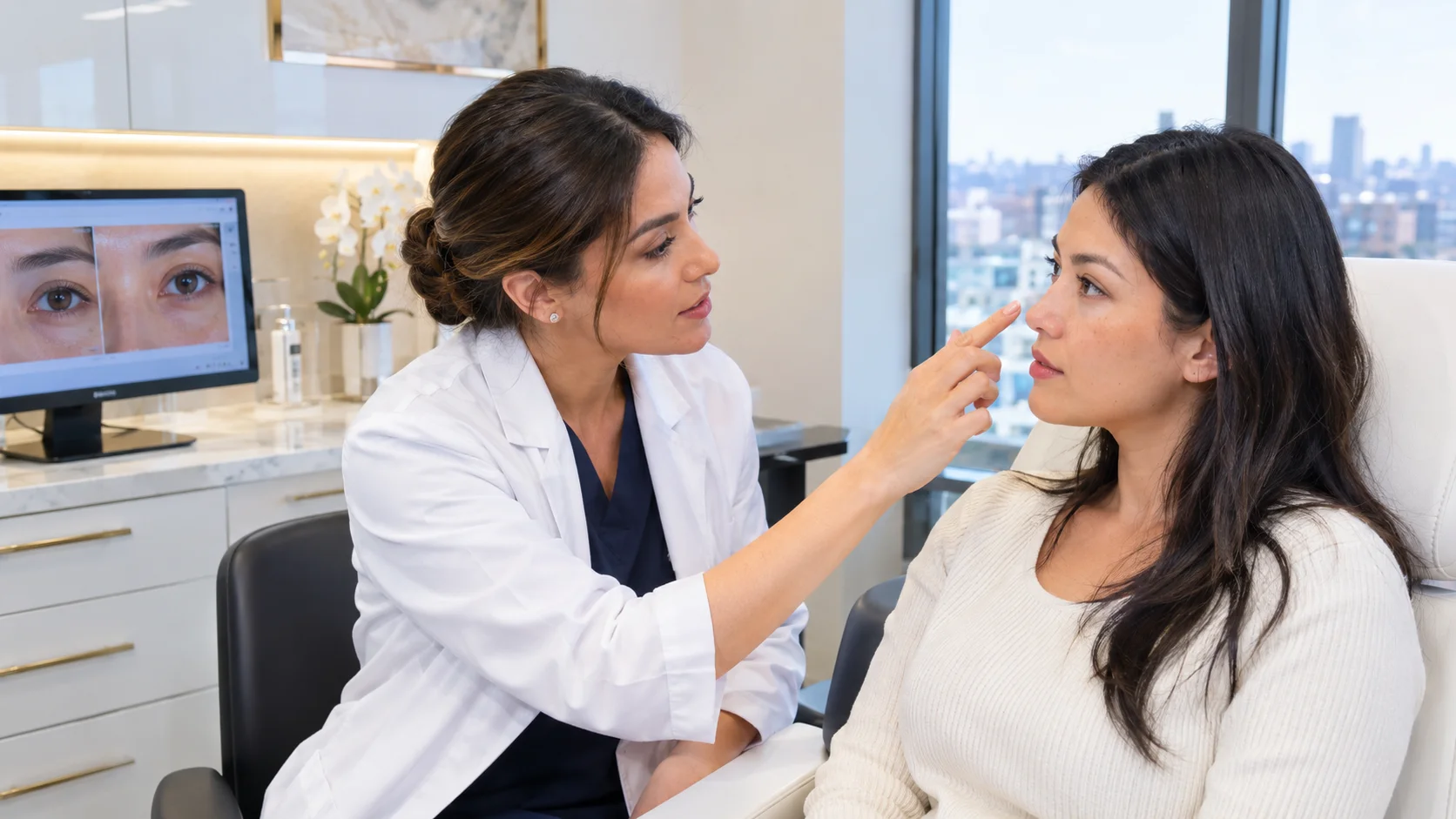
For individuals in Flushing, Queens, personalized consultations provide an opportunity to discuss concerns, review skincare habits, and develop a realistic plan that prioritizes skin health over quick fixes.
Ingredients That Can Calm or Trigger Sensitive Skin

Choosing the right skincare products is often more important than buying expensive ones. During consultations, one of the most common concerns we hear is, “I switched to a product everyone recommended online, but my skin became worse.” This is a reminder that sensitive skin care should always be personalized rather than trend-driven.
Ingredients That Are Often Well Tolerated
Many people with sensitive skin benefit from products containing:
- Ceramides to strengthen the skin barrier
- Hyaluronic Acid for hydration
- Glycerin to retain moisture
- Niacinamide in appropriate concentrations
- Colloidal Oatmeal for soothing irritation
- Panthenol (Vitamin B5)
- Squalane
- Aloe Vera
These ingredients support care sensitive skin by helping restore hydration without overwhelming the skin.
Ingredients That May Cause Irritation
Not every active ingredient is harmful, but some people with sensitive skin may react to:
- Strong fragrances
- High concentrations of alcohol
- Physical scrubs
- Overuse of AHAs and BHAs
- High-strength retinoids without guidance
- Essential oils
- Harsh foaming cleansers
One product may work well for one person and still trigger redness in another, which is why sensitive skin care should always consider individual skin tolerance.
A Simple Morning Routine for Sensitive Skin
Patients often assume they need a lengthy routine, but consistency usually matters more than quantity.
| Step | Recommendation |
|---|---|
| Cleanser | Gentle, fragrance-free cleanser |
| Serum | Hydrating serum if needed |
| Moisturizer | Barrier-supporting moisturizer |
| Sunscreen | Broad-spectrum SPF 30+ every day |
Following this routine helps care sensitive skin while reducing unnecessary irritation.
For many busy professionals in Flushing and throughout Queens, keeping a routine simple also makes it easier to stay consistent.
Your Evening Routine Matters Just as Much
Nighttime is when your skin naturally begins repairing itself.
A simple evening routine may include:
- Gentle cleansing
- Hydrating moisturizer
- Targeted treatment if recommended
- Lip care when needed
People trying to improve sensitive skin care often make the mistake of adding multiple new products at once. Introducing one product every few weeks makes it much easier to identify what works and what doesn’t.
Common Mistakes That Keep Sensitive Skin Irritated
During consultations, we regularly notice similar habits among patients whose skin never seems to improve.
These include:
- Washing the face too frequently
- Using hot water
- Trying several new products in the same week
- Over-exfoliating
- Sleeping with makeup
- Skipping sunscreen
- Frequently changing skincare brands
Avoiding these habits can significantly improve care sensitive skin over time.
Why Japanese Skin Care Continues to Gain Attention
Many people become interested in japanese skin care because it focuses on prevention instead of correction.
Instead of aggressively treating every small concern, japanese skin care generally encourages maintaining a healthy moisture barrier through gentle cleansing, lightweight hydration, and consistent sun protection.
This philosophy appeals to individuals whose skin reacts easily to harsh ingredients.
However, even within japanese skin care, products should be selected based on your own skin rather than popularity on social media.
Seasonal Changes in NYC Can Affect Sensitive Skin

Living in New York City means your skin experiences dramatic weather changes throughout the year.
Winter
Indoor heating and cold outdoor temperatures often reduce skin moisture, making sensitive skin care especially important.
Spring
Seasonal allergies may contribute to itching and redness.
Summer
Heat, humidity, sweat, and increased sun exposure can make care sensitive skin more challenging if products are too heavy or pore-clogging.
Autumn
Changing temperatures often require adjustments to moisturizers and hydration levels.
Patients in Flushing frequently notice their skincare routine needs small seasonal changes instead of remaining identical all year.
When Should You See a Professional?
Occasional dryness usually improves with better skincare habits.
However, you should consider a professional evaluation if you experience:
- Persistent redness
- Burning sensations
- Repeated allergic reactions
- Severe dryness
- Skin cracking
- Recurring rashes
- Symptoms lasting several weeks
Experienced associated skin care specialists can determine whether the problem involves rosacea, eczema, dermatitis, allergies, or another condition requiring individualized treatment.
Rather than relying on trial and error, associated skin care specialists help patients identify triggers and recommend evidence-based skincare plans.
Medical-Grade Skincare vs. Store-Bought Products

Many over-the-counter products can support sensitive skin care, but not every product is formulated with the same standards.
Medical-grade skincare often offers:
- Carefully selected ingredient concentrations
- Higher quality formulations
- Better ingredient stability
- Professional guidance
- Personalized recommendations
This does not mean every medical-grade product is automatically better. The right choice depends on your skin condition, goals, and tolerance.
Why Personalized Skin Assessments Matter
No online article can accurately diagnose your skin.
During consultations at ClearLee Perfect Aesthetics, providers review:
- Current skincare routine
- Previous cosmetic treatments
- Lifestyle habits
- Environmental exposure
- Medical history
- Individual skin concerns
Under the direction of Dr. David H. Lee, MD, treatment planning focuses on protecting the skin barrier while recommending evidence-based options appropriate for each patient.
This personalized approach is particularly valuable for individuals seeking long-term sensitive skin care rather than temporary solutions.
Building Healthy Skin Takes Patience

Many patients hope to see overnight improvements, but healthier skin usually develops gradually.
A consistent routine, realistic expectations, and professional guidance often produce better long-term results than constantly switching products.
Whether you are exploring japanese skin care, searching for advice on care sensitive skin, or considering guidance from associated skin care specialists, the goal should always be healthier, stronger skin rather than chasing quick fixes.
Part 3 will include treatment comparisons, frequently asked questions, conclusion, CTA, SEO metadata, URL slug, image alt texts, AI image prompts, feature image recommendation, and schema markup suggestions.
Treatment Comparison for Sensitive Skin
Choosing the right approach depends on your skin condition, concerns, and long-term goals. While many people can improve their sensitive skin care routine at home, others may benefit from professional guidance.
| Concern | Home Care | Professional Recommendation |
|---|---|---|
| Mild dryness | Gentle cleanser and moisturizer | Skin evaluation if persistent |
| Redness | Barrier-repair products | Medical assessment to identify triggers |
| Dehydrated skin | Hydrating serums and SPF | Customized treatment plan |
| Irritated skin after cosmetic products | Stop irritating products | Consultation before restarting treatments |
| Uneven skin texture | Gentle routine | Medical-grade skincare recommendations |
Professional evaluation helps determine whether symptoms are related to a damaged skin barrier, rosacea, eczema, allergies, or another skin condition.
Healthy Habits That Support Sensitive Skin Every Day
Many improvements come from small daily habits rather than dramatic changes.
Helpful habits include:
- Wear sunscreen every morning.
- Avoid introducing several new products at once.
- Wash your face with lukewarm water instead of hot water.
- Stay hydrated throughout the day.
- Clean makeup brushes regularly.
- Remove makeup before sleeping.
- Moisturize immediately after cleansing.
- Protect your skin during harsh NYC winter weather.
These simple habits support sensitive skin care and help care sensitive skin more effectively over time.
Frequently Asked Questions
What is the best routine for sensitive skin care?
A gentle cleanser, hydrating moisturizer, and broad-spectrum sunscreen are often the foundation of an effective sensitive skin care routine. Additional products should be introduced gradually.
How do I care sensitive skin without causing irritation?
The best way to care sensitive skin is to simplify your routine, avoid harsh exfoliants, choose fragrance-free products when possible, and patch-test new skincare before regular use.
Is Japanese skin care suitable for sensitive skin?
Many japanese skin care routines focus on hydration, gentle cleansing, and maintaining the skin barrier. While this philosophy works well for many people, products should still be selected according to your individual skin needs.
Should I see associated skin care specialists for ongoing redness?
If redness, burning, itching, or irritation continues despite changing your routine, consulting associated skin care specialists can help identify the underlying cause and determine the most appropriate treatment plan.
Can weather in NYC affect sensitive skin?
Yes. Cold winters, indoor heating, summer humidity, UV exposure, and urban pollution throughout New York City can all influence skin sensitivity. Seasonal adjustments to your skincare routine are often beneficial.
Can sensitive skin become stronger over time?
In many cases, yes. Consistent skincare, barrier-supporting ingredients, and avoiding unnecessary irritation may improve the skin’s resilience over time. Results vary from person to person.
Final Thoughts
Managing sensitive skin care is rarely about finding one miracle product. It is about understanding your skin, identifying triggers, and building a routine that supports long-term skin health.
Many people spend months or even years trying products recommended online before realizing that personalized guidance often makes the biggest difference. Whether your concerns involve dryness, redness, irritation, or a weakened skin barrier, a thoughtful and evidence-based approach is more effective than constantly changing products.
At ClearLee Perfect Aesthetics in Flushing, Queens, NYC, patient care begins with listening. Under the direction of Dr. David H. Lee, MD, every consultation is designed to evaluate your unique skin concerns, discuss realistic expectations, and create a personalized plan that prioritizes safety, comfort, and healthy-looking skin.
If your skin continues to react despite careful home care, scheduling a professional consultation can help you better understand your skin and make informed decisions about future skincare and treatment options.