Eyelid Plastic Surgery: A Complete Guide to Blepharoplasty, Recovery, Costs, and Realistic Results Eyelid plastic surgery is one of the most requested aesthetic procedures worldwide and for good reason. The eyes are often the first area to show aging, fatigue, or genetic traits like droopy lids or under-eye bags. Whether you’re exploring options to refresh …


Eyelid Plastic Surgery: A Complete Guide to Blepharoplasty, Recovery, Costs, and Realistic Results
Eyelid plastic surgery is one of the most requested aesthetic procedures worldwide and for good reason. The eyes are often the first area to show aging, fatigue, or genetic traits like droopy lids or under-eye bags. Whether you’re exploring options to refresh your appearance or addressing functional concerns, understanding how eyelid surgery works can help you make a confident, informed decision.
This guide walks you through everything you need to know from what blepharoplasty actually is to recovery timelines, pricing factors, and how to choose the right surgeon.
What Is Eyelid Plastic Surgery?
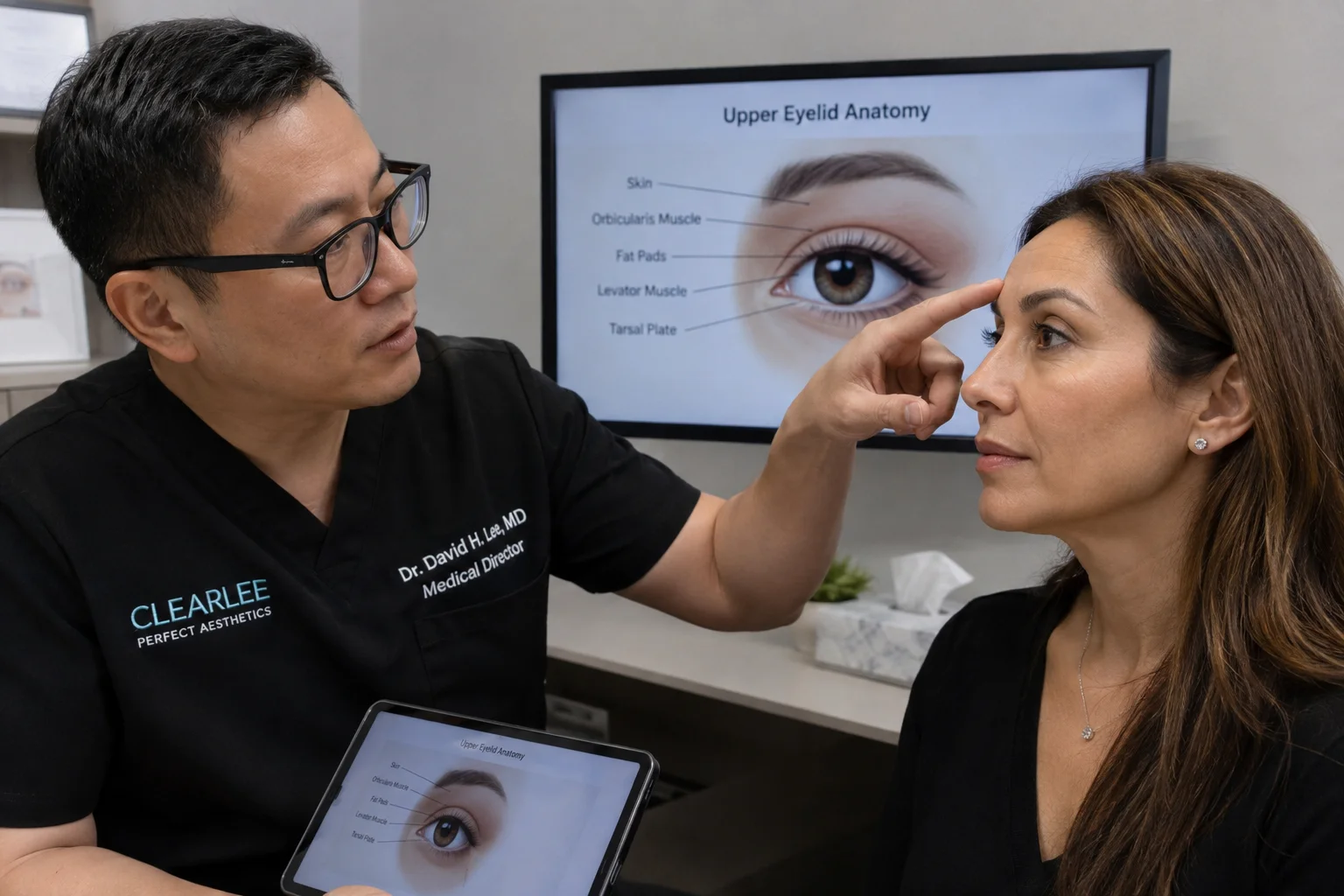
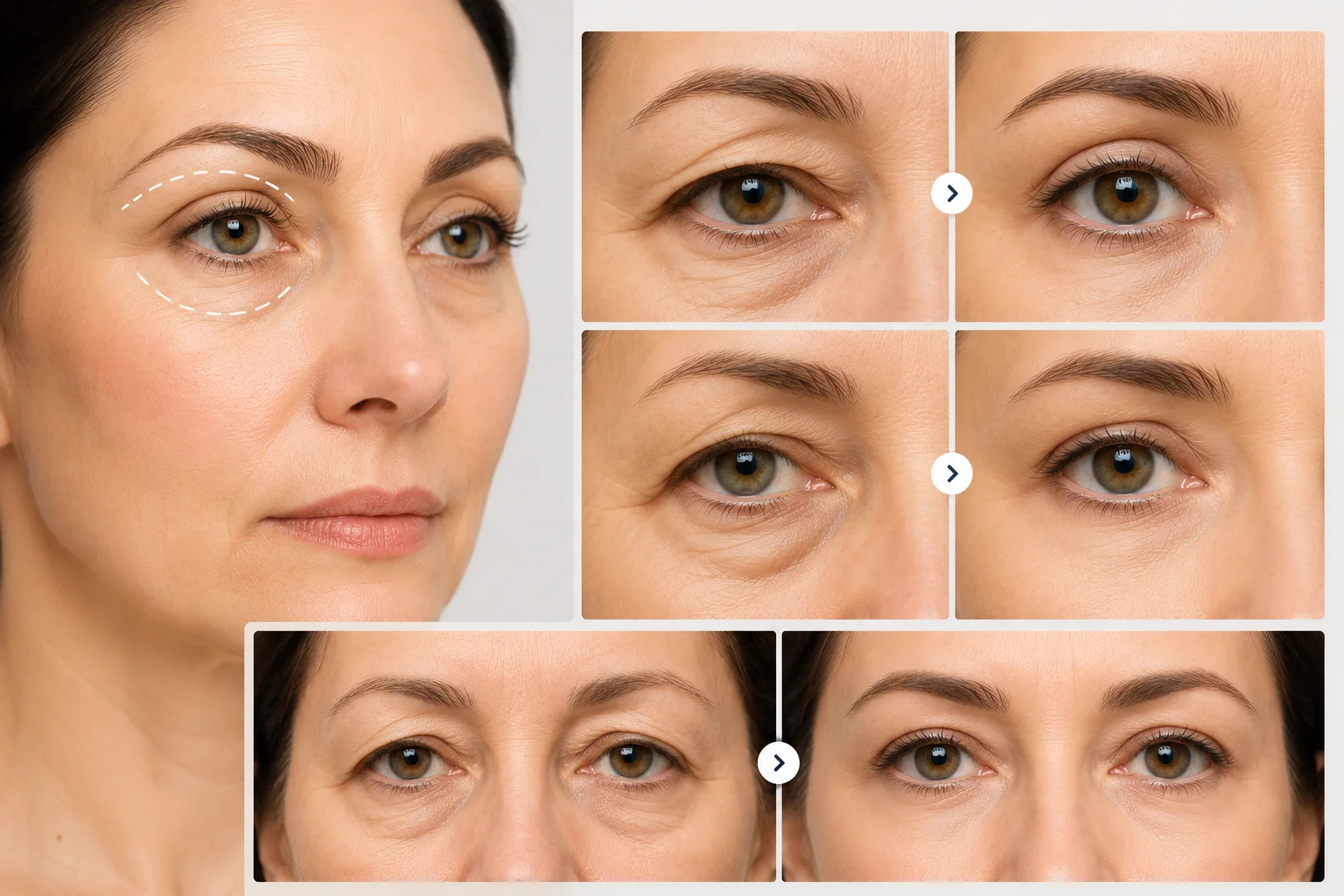
Eyelid plastic surgery, medically known as blepharoplasty, is a procedure that improves the appearance of the upper eyelids, lower eyelids, or both. It involves removing or repositioning excess skin, fat, and sometimes muscle to create a smoother, more youthful look.
But it’s not always cosmetic. In some cases, droopy eyelid surgery is performed to improve vision when sagging skin obstructs the visual field.
There are several variations of this procedure:
- Upper eyelid surgery: Removes excess skin that can create a heavy or tired appearance
- Lower blepharoplasty eyelid surgery: Targets under-eye bags and puffiness
- Double eyelid surgery: Creates a visible crease in the upper eyelid, commonly requested in East Asian patients
- Eyelid lift surgery: A general term often used to describe rejuvenation procedures around the eyes
Understanding what is blepharoplasty eyelid surgery starts with recognizing that it’s both an aesthetic and functional solution tailored to individual anatomy.
Who Is a Good Candidate for Eyelid Surgery?
Not everyone with tired-looking eyes needs surgery. A qualified consultation helps determine whether you’re a suitable candidate.
You may benefit from eyelid surgery if you have:
- Loose or sagging skin on the upper eyelids
- Puffiness or fat deposits under the eyes
- Drooping eyelids affecting vision
- Deep creases or hollow areas
- Persistent under-eye bags that don’t improve with skincare
If you’re searching for eyelid surgery near me, it’s essential to consult a board-certified professional who can assess your goals and medical history.
Additionally, people often ask how to qualify for eyelid surgery especially when considering insurance coverage. Generally, medical necessity (such as impaired vision) is required for partial reimbursement.
Types of Eyelid Surgery Explained
Upper Eyelid Surgery
This procedure removes excess skin and sometimes fat from the upper eyelid. It’s particularly effective for:
- Hooded eyelids
- Drooping skin
- Aging-related sagging
Patients often report looking more alert and refreshed after surgery.
Lower Blepharoplasty Eyelid Surgery
This focuses on the under-eye area. It reduces:
- Eye bags
- Dark shadows (in some cases)
- Loose skin
Depending on your anatomy, the surgeon may reposition fat instead of removing it for a more natural outcome.
Double Eyelid Surgery
Also known as Asian blepharoplasty, this procedure creates a defined crease in the upper eyelid. It’s popular among individuals who naturally lack a visible eyelid fold.
You may have seen references like double eyelid surgery before and after transformations online, or even mentions of celebrities such as Beomgyu’s double eyelid surgery discussions, which highlight how subtle changes can enhance facial harmony.
The Procedure: What to Expect
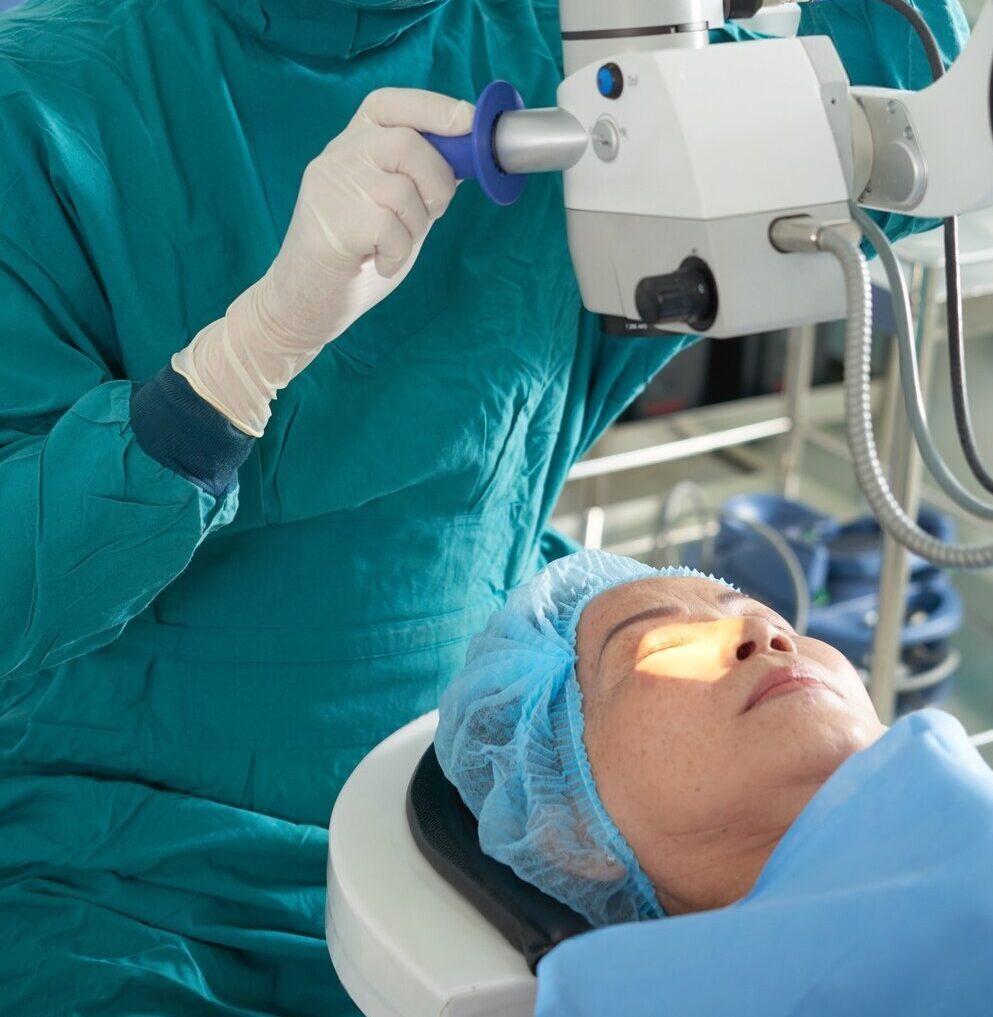
Eyelid surgery is typically performed under local anesthesia with sedation or general anesthesia, depending on the complexity.
Steps involved:
- Precise marking of incision lines
- Removal or repositioning of tissue
- Closure with fine sutures
- Application of ointment and protective dressing
The surgery usually takes 1–2 hours. Most patients return home the same day.
Recovery From Eyelid Surgery
Recovery is often quicker than people expect, but it still requires patience and proper care.
Initial Recovery (Days 1–7)
- Swelling and bruising are most noticeable
- Mild discomfort, dryness, or tightness
- Cold compresses help reduce inflammation
Many patients look for photos one week after eyelid surgery to set expectations by this point, visible bruising typically begins to fade.
Week 2–4
- Stitches are removed (if non-dissolvable)
- Most swelling subsides
- You can resume normal daily activities
Long-Term Healing
- Final results appear gradually over 2–3 months
- Scars fade significantly and are usually well-hidden
If you’re curious about day by day eyelid surgery recovery time photos, reputable clinics often provide realistic timelines during consultation.
Cost of Eyelid Surgery
The cost of eyelid surgery varies widely depending on several factors.
What Influences the Price?
- Surgeon’s expertise and reputation
- Geographic location
- Type of procedure (upper, lower, or both)
- Facility and anesthesia fees
Typical Price Ranges
- Upper eyelid surgery cost: $2,500 – $5,000
- Lower eyelid surgery: $3,000 – $6,000
- Combined procedures can exceed $8,000
Patients often search how much is eyelid surgery or eyelid surgery cost, but a personalized quote is always more accurate.
If you’re comparing upper eyelid surgery prices, remember that lower-cost options may not include aftercare or follow-ups.
Images of Eyelid Surgery Covered by Insurance
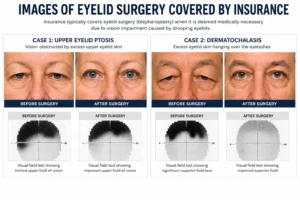
Many people are surprised to learn that eyelid surgery can sometimes be covered by insurance but only in specific cases.
When Insurance May Apply
- Vision obstruction due to excess eyelid skin
- Documented functional impairment
- Supporting medical tests (like visual field exams)
Patients frequently search for images of eyelid surgery covered by insurance to understand what qualifies. These typically show severe drooping where the eyelid blocks the pupil.
Cosmetic procedures, however, are generally not covered.
Risks and Complications
Like any surgical procedure, eyelid surgery carries some risks. Choosing an experienced eyelid surgery surgeon significantly reduces these.
Possible risks include:
- Infection or bleeding
- Dry eyes
- Temporary blurred vision
- Asymmetry
- Rare complications like botched upper eyelid surgery
A thorough consultation and realistic expectations are key to avoiding dissatisfaction.
Before and After: What Results Look Like
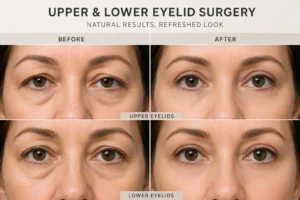
Looking at eyelid surgery before and after images can help set realistic expectations.
What Improves
- Smoother eyelid contour
- Reduced puffiness
- More open, alert eyes
What It Won’t Do
- Completely eliminate dark circles (unless caused by fat bulging)
- Change your entire facial structure
- Stop aging
You may also come across references like Eileen Gu before eyelid surgery or celebrity comparisons. While these can be informative, your results will depend on your unique anatomy.
Non-Surgical Alternatives
Not everyone is ready for surgery. Some non-invasive treatments can offer mild improvements:
- Laser skin tightening (such as PicoSure treatments)
- Dermal fillers for under-eye hollows
- Botox for brow lifting
Clinics like Clearlee Perfect Aesthetics often combine these approaches for patients seeking subtle enhancement without downtime.
Choosing the Right Eyelid Surgery Surgeon
This decision matters more than price.
Look for:
- Board certification
- Before-and-after portfolio
- Transparent consultation process
- Clear explanation of risks and outcomes
Avoid clinics that promise unrealistic results or use aggressive sales tactics.
FAQs About Eyelid Plastic Surgery
What is blepharoplasty eyelid surgery?
Blepharoplasty is a surgical procedure that removes or repositions excess skin and fat from the eyelids to improve appearance or vision.
How to qualify for eyelid surgery?
You may qualify based on cosmetic goals or medical necessity. For insurance coverage, documented vision impairment is typically required.
How much is eyelid surgery?
Costs range from $2,500 to $8,000+, depending on the procedure type and surgeon expertise.
How to get insurance to pay for eyelid surgery?
You’ll need medical documentation showing that drooping eyelids interfere with vision. Tests and physician approval are usually required.
How much does eyelid surgery cost?
The price varies based on location, surgeon, and whether you’re treating upper, lower, or both eyelids.
What is double eyelid surgery?
It’s a procedure that creates a visible crease in the upper eyelid, commonly requested by patients without a natural fold.
What is eyelid surgery called?
The medical term for eyelid surgery is blepharoplasty.
Final Thoughts: Is Eyelid Surgery Right for You?
Eyelid plastic surgery isn’t about chasing perfection it’s about restoring balance and confidence in a natural-looking way. When done well, the results don’t look “operated” they simply look like a more rested version of you.
If you’re considering this procedure, the next step isn’t booking surgery it’s booking a consultation. A qualified provider can assess your goals, explain realistic outcomes, and help you explore whether surgery or non-invasive options are the better fit.
If you’re exploring advanced aesthetic treatments, clinics like Clearlee Perfect Aesthetics offer a combination of expertise and modern technology tailored to individual needs. A thoughtful consultation can make all the difference in achieving results that feel right for you.