Oculoplastic Surgeon: What They Do, When to See One, and How to Choose the Right Specialist When people think about eye care, they often picture routine vision exams, glasses prescriptions, or cataract surgery. However, there is a highly specialized field focused on the delicate structures surrounding the eyes — including the eyelids, tear ducts, orbit, …

Oculoplastic Surgeon: What They Do, When to See One, and How to Choose the Right Specialist


When people think about eye care, they often picture routine vision exams, glasses prescriptions, or cataract surgery. However, there is a highly specialized field focused on the delicate structures surrounding the eyes — including the eyelids, tear ducts, orbit, and facial aesthetics. This specialty is known as oculoplastic surgery.
An experienced Oculoplastic Surgery combines advanced ophthalmology training with cosmetic and reconstructive expertise to improve both eye function and appearance. Whether someone is struggling with drooping eyelids, under-eye puffiness, tear duct problems, eyelid tumors, or signs of facial aging, an oculoplastic specialist can provide targeted treatment options designed specifically for the eye area.
At clinics such as Clearlee Perfect Aesthetics, patients often seek personalized solutions that balance medical precision with natural-looking aesthetic outcomes. In a city like New York City, where both cosmetic excellence and eye health matter, finding the right specialist is an important decision.
What Is an Oculoplastic Surgeon?
An oculoplastic surgeon is an ophthalmologist who completes additional fellowship training in plastic and reconstructive surgery involving the eyes and surrounding facial structures.
Unlike general plastic surgeons, these specialists focus exclusively on the anatomy around the eyes. Their advanced understanding of eyelid function, eye protection, tear drainage, orbital anatomy, and facial balance allows them to perform procedures that preserve vision while improving appearance.
Oculoplastic surgeons commonly treat:
- Drooping upper eyelids (ptosis)
- Eyelid puffiness and under-eye bags
- Excess eyelid skin
- Eyelid malposition
- Tear duct obstruction
- Orbital disorders
- Facial asymmetry
- Thyroid eye disease
- Eyelid tumors
- Trauma-related injuries around the eye
- Cosmetic concerns involving aging eyes
Because the eye area contains extremely delicate tissue, specialized expertise is essential. Even small adjustments can significantly affect vision, comfort, and facial expression.
Common Procedures Performed by Oculoplastic Surgeons
Many patients initially visit an oculoplastics surgeon for cosmetic concerns, but functional issues are equally common. The field combines reconstructive medicine with facial aesthetics.
Upper and Lower Blepharoplasty
Blepharoplasty is one of the most recognized oculoplastic procedures. It involves removing or repositioning excess skin, fat, and tissue around the eyelids.
Upper eyelid surgery can improve:
- Hooded eyelids
- Vision obstruction
- Heavy-looking eyes
- Fatigue-related appearance
Lower eyelid surgery targets:
- Under-eye bags
- Puffiness
- Loose skin
- Wrinkles beneath the eyes
The goal is not to dramatically change facial identity. Instead, experienced surgeons aim for refreshed, natural-looking rejuvenation.
Ptosis Repair
Ptosis refers to drooping of the upper eyelid caused by weakened eyelid muscles. In severe cases, it can interfere with vision and create forehead strain from constantly raising the brows.
Oculoplastic surgeons correct ptosis by tightening or repositioning the muscles responsible for lifting the eyelid.
Tear Duct Surgery
Blocked tear ducts may cause chronic tearing, irritation, recurrent infections, or blurry vision. Specialized procedures can restore proper tear drainage and improve eye comfort.
Orbital Surgery
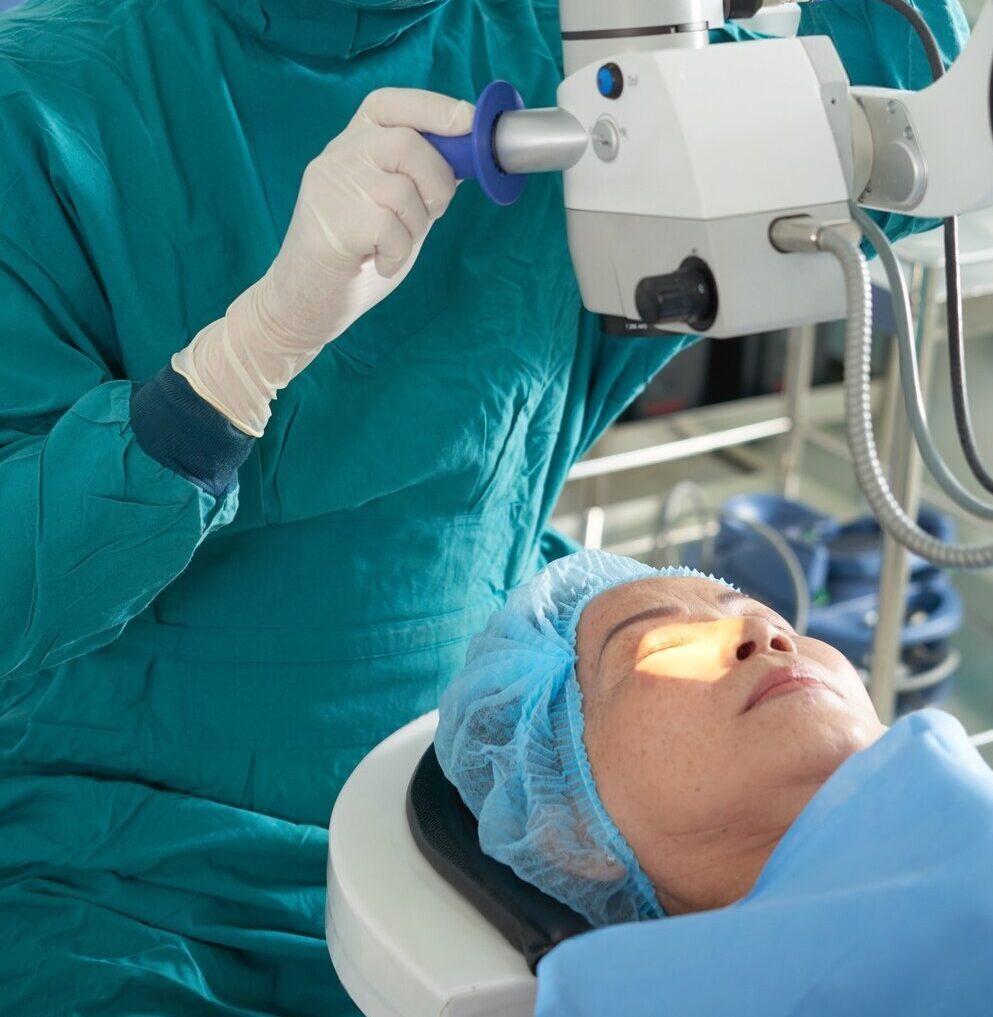
The orbit refers to the bony cavity surrounding the eye. Oculoplastic surgeons treat orbital fractures, tumors, inflammation, and thyroid eye disease affecting this region.
Non-Surgical Aesthetic Treatments
Many practices also offer minimally invasive treatments, including:
- Neurotoxins
- Dermal fillers
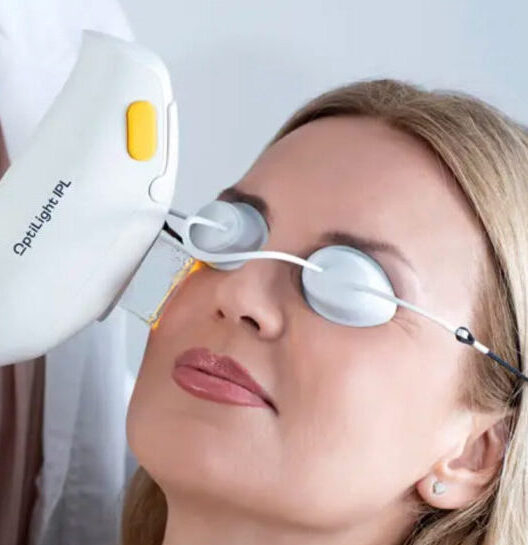
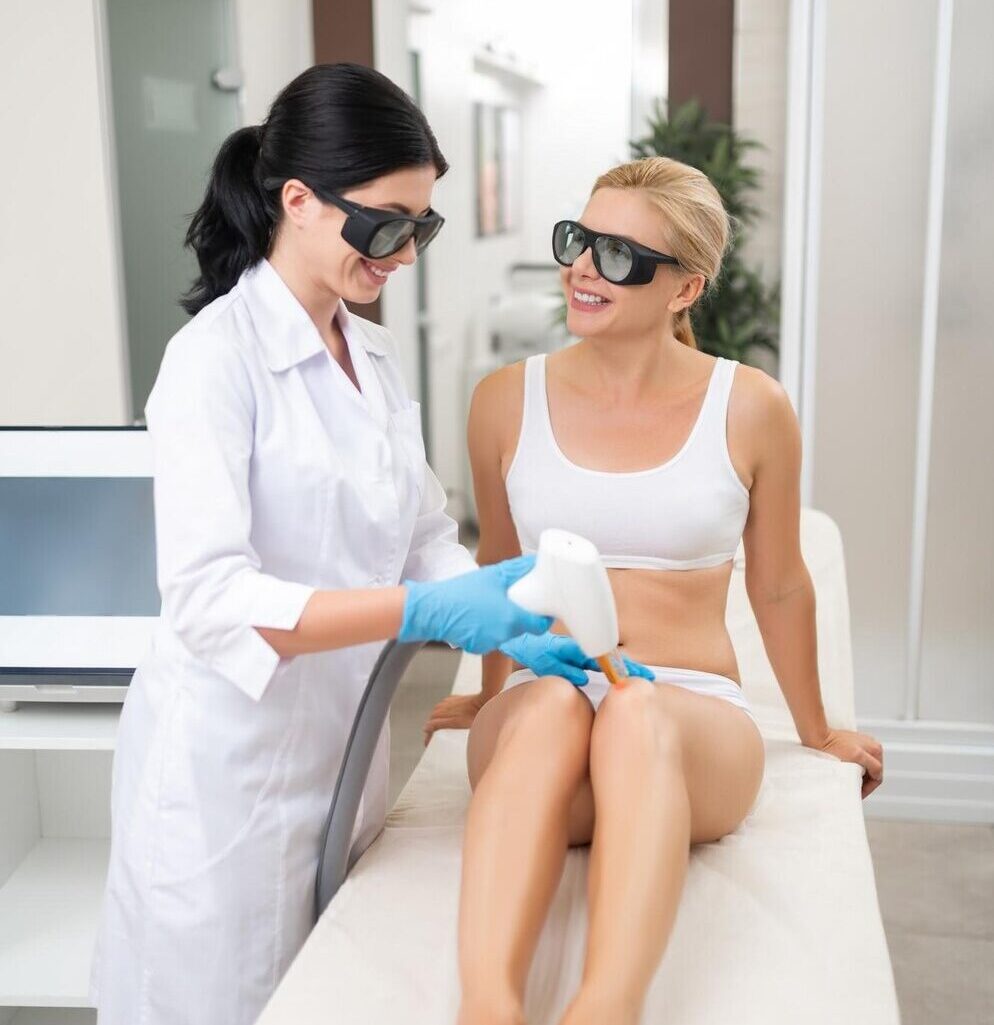
- Laser skin rejuvenation
- Skin tightening
- Scar revision
- Advanced resurfacing procedures
These treatments are often combined with surgical procedures for comprehensive facial rejuvenation.
Signs You May Need an Oculoplastic Surgeon
Not every eyelid concern requires surgery, but several symptoms may indicate that evaluation by a specialist is worthwhile.
Common reasons patients seek consultation include:
- Constantly tired-looking eyes
- Drooping eyelids affecting vision
- Persistent under-eye swelling
- Excess eyelid skin
- Difficulty applying makeup due to hooded lids
- Chronic tearing
- Eyelid asymmetry
- Eyelid growths or lesions
- Eye discomfort related to lid position
- Facial aging around the eyes
Some people pursue treatment primarily for cosmetic reasons, while others require medically necessary correction. A thorough evaluation helps determine the safest and most appropriate approach.
Oculoplastic Surgeon Near Me
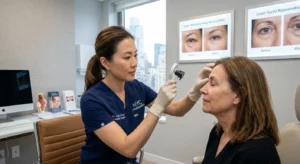
Searching for an “oculoplastic surgeon near me” is often the first step for patients considering eyelid or facial rejuvenation procedures. However, choosing the right specialist involves much more than location alone.
The eye area requires exceptional precision. Patients should evaluate:
- Fellowship training in oculoplastic surgery
- Board certification
- Experience with eyelid procedures
- Before-and-after photos
- Patient reviews
- Surgical philosophy
- Natural-looking outcomes
- Facility standards
- Consultation process
A qualified specialist should prioritize both aesthetics and long-term eye health. Procedures around the eyes must maintain proper blinking, tear function, and eyelid support.
During consultations, patients should feel comfortable asking questions regarding:
- Surgical technique
- Recovery expectations
- Potential risks
- Realistic outcomes
- Revision policies
- Combination treatment options
A personalized treatment plan is essential because eyelid anatomy varies significantly between individuals.
Oculoplastic Surgeon NYC
Patients looking for an oculoplastic surgeon NYC specialist often seek physicians experienced in both advanced reconstructive techniques and cosmetic facial rejuvenation.
New York City has become a leading destination for sophisticated aesthetic and ophthalmic care. The city attracts patients interested in subtle, refined results that enhance appearance without looking overdone.
An experienced NYC oculoplastic surgeon may provide:
- Advanced eyelid surgery
- Laser-assisted rejuvenation
- Non-surgical under-eye correction
- Orbital surgery
- Functional eyelid repair
- Asian blepharoplasty
- Revision eyelid surgery
- Tear duct procedures
Urban aesthetic trends increasingly favor natural outcomes. Rather than dramatic changes, many patients want to look rested, healthier, and younger while preserving facial character.
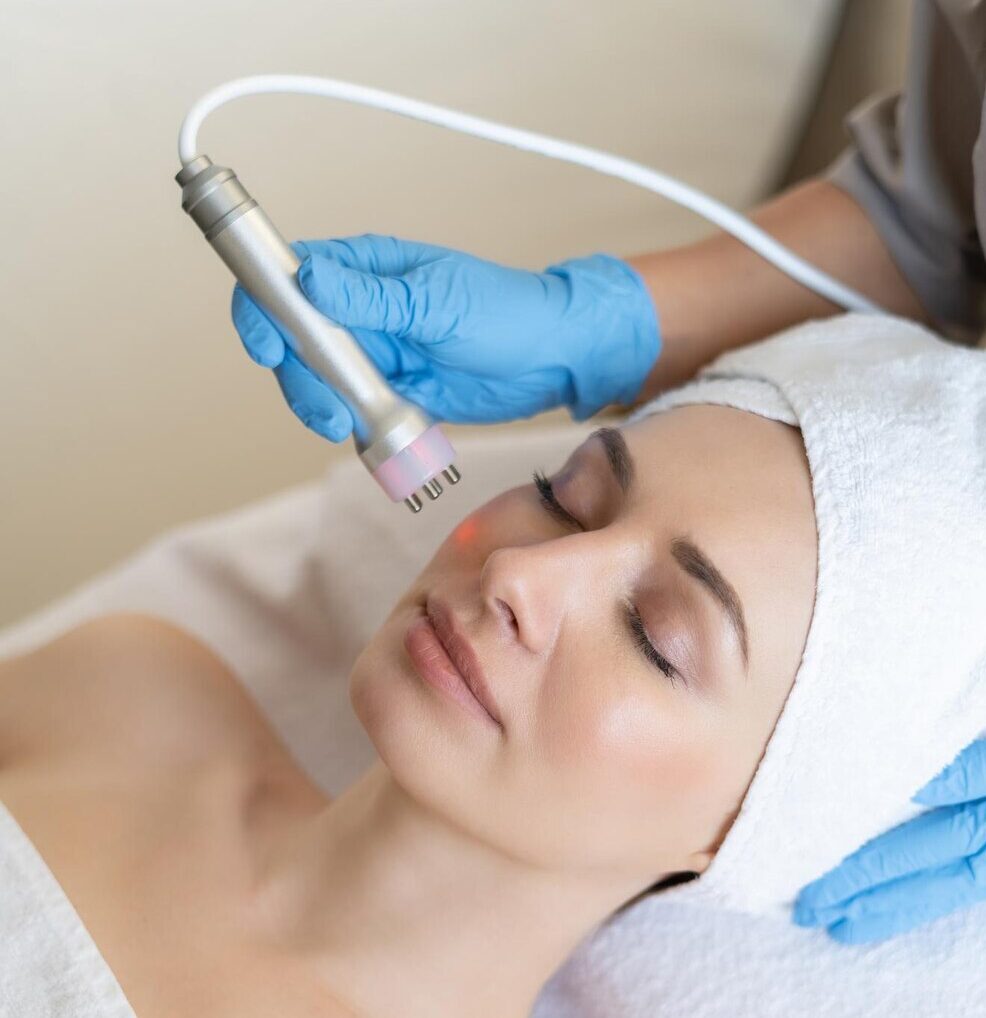
Clinics focused on facial aesthetics often combine surgery with modern skin treatments such as laser resurfacing, RF microneedling, and collagen-stimulating therapies.
At practices like Clearlee Perfect Aesthetics, individualized care plans can help patients address both structural eyelid concerns and overall skin quality.
Best Oculoplastic Surgeon
Finding the best oculoplastic surgeon is highly personal. The “best” specialist for one patient may not be ideal for another because treatment goals, anatomy, and expectations differ.
Still, there are several qualities consistently associated with top-tier oculoplastic surgeons.
Specialized Fellowship Training
The most qualified surgeons complete rigorous fellowship training specifically in ophthalmic plastic and reconstructive surgery.
Deep Understanding of Eye Anatomy
Because the eyelids directly protect the eyes, surgical precision is critical. Small errors can affect blinking, dryness, vision, or facial symmetry.
Natural Results
Excellent cosmetic outcomes rarely look obvious. Skilled surgeons focus on balance, proportion, and facial harmony rather than aggressive alteration.
Experience With Complex Cases
Top specialists often manage:
- Revision surgeries
- Trauma reconstruction
- Thyroid eye disease
- Severe ptosis
- Advanced facial aging
- Orbital conditions
Transparent Communication
Experienced surgeons discuss limitations honestly and provide realistic expectations regarding healing and results.
Strong Patient Satisfaction
Patient reviews, testimonials, and before-and-after galleries can offer valuable insight into a surgeon’s approach and consistency.
Cosmetic vs Functional Eyelid Surgery
One of the most misunderstood aspects of oculoplastic surgery is the difference between cosmetic and functional procedures.
Cosmetic Eyelid Surgery
Cosmetic surgery is performed primarily to improve appearance. Examples include:
- Under-eye bag reduction
- Skin tightening
- Eyelid contour refinement
- Facial rejuvenation
These procedures are elective and generally not covered by insurance.
Functional Eyelid Surgery
Functional procedures address medical problems affecting eye health or vision.
Examples include:
- Ptosis obstructing vision
- Excess skin blocking visual fields
- Eyelid malposition causing irritation
- Tear duct obstruction
Insurance coverage may apply when medical necessity is documented through examination and testing.
Many patients actually have both cosmetic and functional concerns simultaneously.
How Aging Affects the Eye Area
The eyes are often among the first facial areas to show signs of aging.
Several changes naturally occur over time:
- Skin loses elasticity
- Fat pads shift downward
- Collagen production decreases
- Eyelid muscles weaken
- Brows descend
- Hollowing develops beneath the eyes
These changes can create:
- Under-eye bags
- Hollow tear troughs
- Crow’s feet
- Hooded eyelids
- Tired appearance
Genetics, sun exposure, smoking, stress, and lifestyle habits can accelerate these effects.
An oculoplastic specialist evaluates all contributing factors rather than focusing on a single issue in isolation.
Non-Surgical Treatments Offered by Oculoplastic Surgeons
Not every patient requires surgery. Many individuals benefit from less invasive aesthetic treatments that improve the appearance of the eye area.
Common non-surgical options include:
Injectable Treatments
Neurotoxins may reduce:
- Crow’s feet
- Forehead lines
- Frown lines
Dermal fillers can improve:
- Tear trough hollowing
- Volume loss
- Midface supportLaser Skin Rejuvenation
Laser treatments can address:
- Pigmentation
- Fine lines
- Sun damage
- Skin texture
- Mild skin laxity
Advanced technologies may stimulate collagen while improving skin tone and smoothness.
Skin Tightening Procedures
Radiofrequency and ultrasound-based treatments help tighten mild to moderate skin laxity without surgery.
Medical-Grade Skincare
Professional skincare regimens can support surgical outcomes and improve overall skin quality.
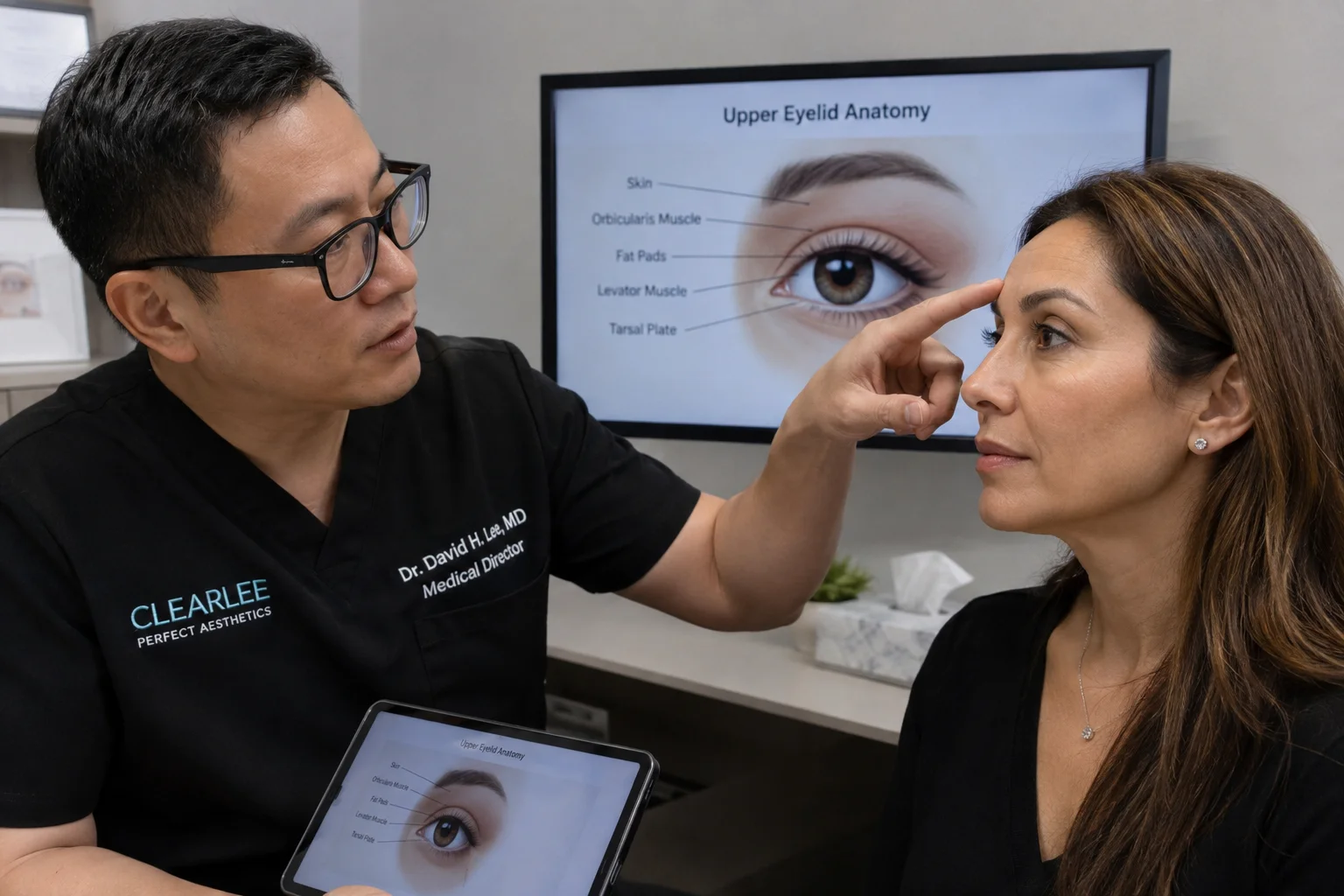
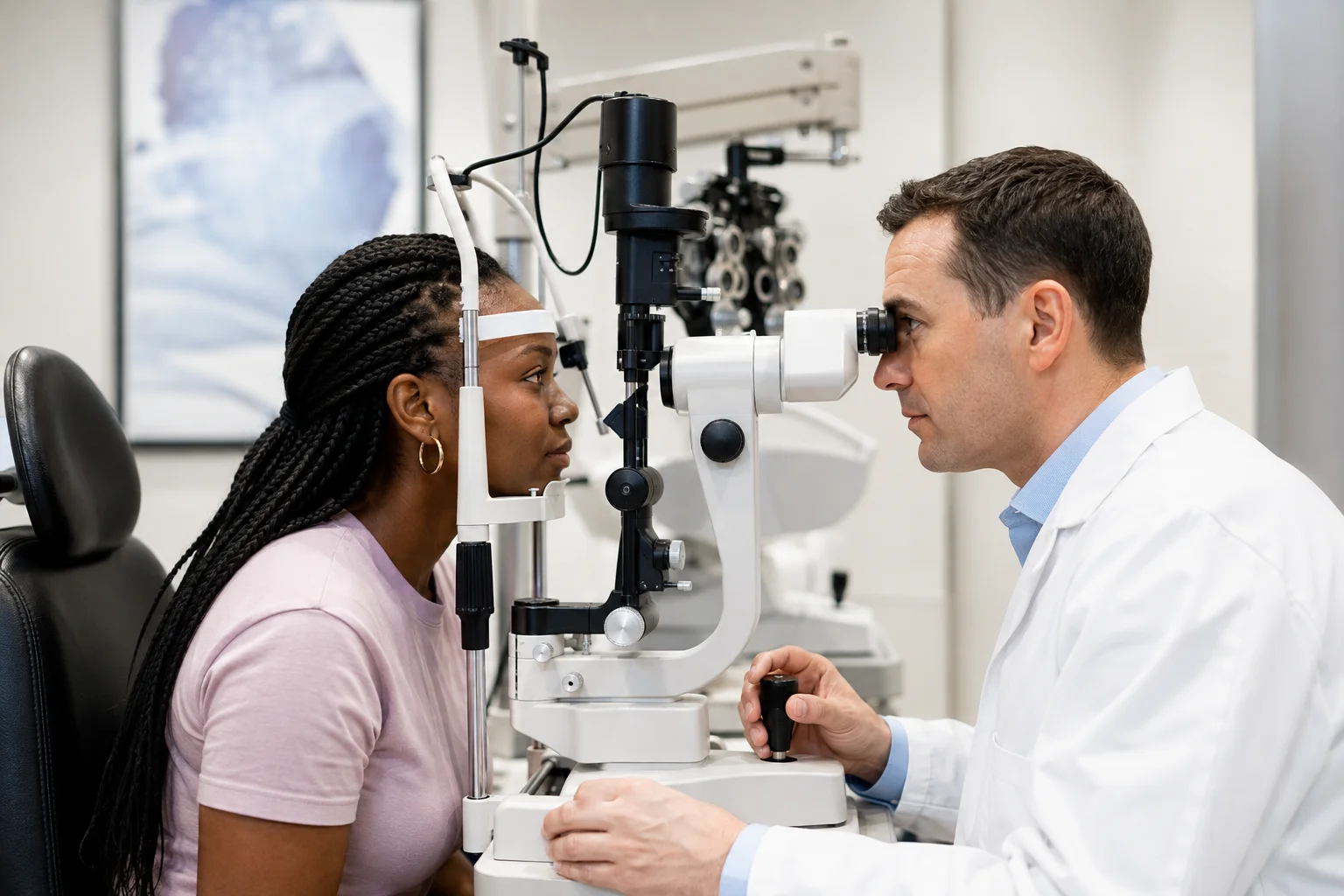
What Happens During an Oculoplastic Consultation?
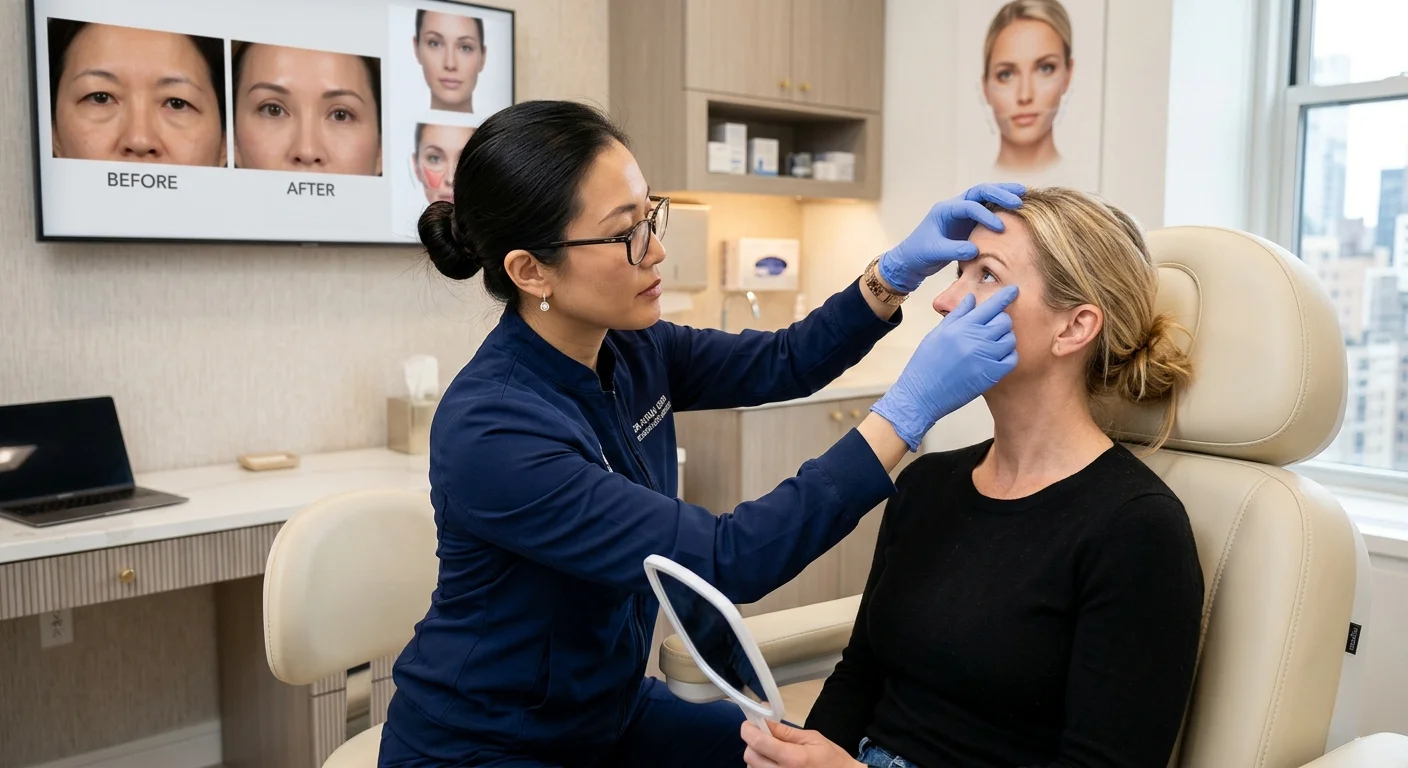
An initial consultation is more comprehensive than many patients expect.
The surgeon typically evaluates:
- Eyelid position
- Facial symmetry
- Brow position
- Skin quality
- Tear function
- Eye health
- Vision
- Medical history
- Previous procedures
Photographs are usually taken to assist treatment planning.
Patients should discuss:
- Specific concerns
- Desired improvements
- Recovery availability
- Lifestyle considerations
- Previous cosmetic treatments
A responsible surgeon explains both benefits and limitations clearly.
Recovery After Eyelid Surgery
Recovery varies depending on the procedure performed, but most patients experience temporary swelling and bruising.
General recovery timelines include:
First Week
- Swelling peaks
- Mild discomfort
- Bruising common
- Cold compresses helpful
Two Weeks
- Most visible bruising improves
- Many patients return to work
- Makeup may camouflage residual discoloration
Several Weeks to Months
- Final results continue refining
- Scar maturation improves
- Swelling gradually resolves
Following postoperative instructions carefully is important for optimal healing.
Patients are usually advised to avoid:
- Heavy lifting
- Smoking
- Excessive sun exposure
- Strenuous exercise during early recovery
Risks and Safety Considerations
All surgical procedures involve potential risks, including eyelid surgery.
Possible complications may include:
- Dryness
- Infection
- Bleeding
- Asymmetry
- Scarring
- Difficulty closing the eyes
- Prolonged swelling
Fortunately, serious complications are relatively uncommon when surgery is performed by qualified specialists.
Choosing an experienced oculoplastic surgeon significantly improves safety and outcome predictability.
How to Choose the Right Oculoplastic Surgeon
Selecting a surgeon should involve careful research rather than rushing into treatment.
Important considerations include:
Credentials
Verify ophthalmology board certification and fellowship training.
Experience
Ask how frequently the surgeon performs your specific procedure.
Before-and-After Photos
Review patients with anatomy similar to your own.
Communication Style
Patients should never feel pressured into unnecessary treatments.
Facility Quality
Procedures should occur in accredited surgical environments.
Personalized Recommendations
The best surgeons customize treatment plans rather than recommending identical procedures for every patient.
Understanding Revision Eyelid Surgery
Revision eyelid surgery is among the most complex areas within oculoplastics.
Patients may seek correction for:
- Overly aggressive skin removal
- Asymmetry
- Hollow appearance
- Eyelid retraction
- Persistent puffiness
- Scarring
- Functional complications
Revision procedures require extensive expertise because normal anatomy has already been altered.
A conservative surgical philosophy during the initial procedure often reduces the likelihood of revision needs later.
The Role of Technology in Modern Oculoplastics
Technology has transformed both cosmetic and reconstructive eyelid procedures.
Advanced imaging, laser technologies, and minimally invasive techniques now allow for:
- Improved precision
- Faster recovery
- Reduced scarring
- Enhanced safety
- Better skin resurfacing
- Customized treatment planning
Modern facial rejuvenation increasingly combines surgical and non-surgical modalities to create balanced, long-lasting outcomes.
Oculoplastic Surgeon Salary and Career Path
Many people researching the specialty also search for information about oculoplastic surgeon salary and training pathways.
Becoming an oculoplastic surgeon requires extensive education:
- Medical school
- Ophthalmology residency
- Fellowship training in oculoplastic surgery
This advanced subspecialty demands years of surgical training focused on the intricate anatomy surrounding the eyes.
The field continues growing as demand for both reconstructive and cosmetic procedures increases.
Frequently Asked Questions
What is the difference between a plastic surgeon and an oculoplastic surgeon?
An oculoplastic surgeon is an ophthalmologist with additional fellowship training focused specifically on the eyelids, orbit, tear ducts, and surrounding facial structures. General plastic surgeons treat many body areas, while oculoplastic specialists concentrate exclusively on the eye region.
Is blepharoplasty painful?
Most patients describe discomfort as mild rather than painful. Swelling, tightness, and bruising are common during early recovery, but significant pain is uncommon.
How long do eyelid surgery results last?
Results vary based on aging, genetics, and lifestyle factors. Many patients enjoy improvements for years, particularly when maintaining good skincare and sun protection habits.
Can eyelid surgery improve vision?
Yes. Functional upper eyelid surgery can improve peripheral vision when excess skin or drooping lids obstruct sight.
Are non-surgical treatments effective for under-eye bags?
Mild concerns may improve with fillers, lasers, or skin tightening treatments. However, significant fat protrusion or excess skin often requires surgery for optimal correction.
At what age should someone see an oculoplastic surgeon?
There is no universal age. Some patients seek treatment in their 30s for early aging changes, while others pursue surgery later in life for functional or cosmetic reasons.
How do I know if I need ptosis repair or cosmetic blepharoplasty?
A specialist evaluation determines whether drooping results from excess skin, muscle weakness, brow descent, or a combination of factors.
Can men benefit from oculoplastic procedures?
Absolutely. Men increasingly pursue eyelid rejuvenation to reduce tired appearance while maintaining masculine facial characteristics.
Is recovery different for upper and lower eyelid surgery?
Yes. Lower eyelid procedures may involve slightly longer swelling resolution compared with upper eyelid surgery.
How do I find the best oculoplastic surgeons near me?
Focus on fellowship training, board certification, before-and-after results, patient reviews, and consultation quality rather than choosing solely based on proximity.
Final Thoughts
The eyes play a major role in facial expression, communication, and confidence. Whether someone is experiencing functional eyelid concerns, visible signs of aging, or under-eye changes that affect self-image, working with a qualified oculoplastic specialist can provide meaningful improvement.
The best outcomes come from individualized treatment planning, realistic expectations, and careful attention to both aesthetics and eye health. From advanced surgical procedures to minimally invasive rejuvenation techniques, modern oculoplastic care offers a wide range of solutions tailored to each patient’s anatomy and goals.
For individuals considering eyelid rejuvenation, tear duct treatment, or facial aesthetic procedures, scheduling a consultation with an experienced specialist is the best way to explore safe, personalized options. Clinics such as Clearlee Perfect Aesthetics provide comprehensive evaluations designed to help patients make informed decisions with confidence.