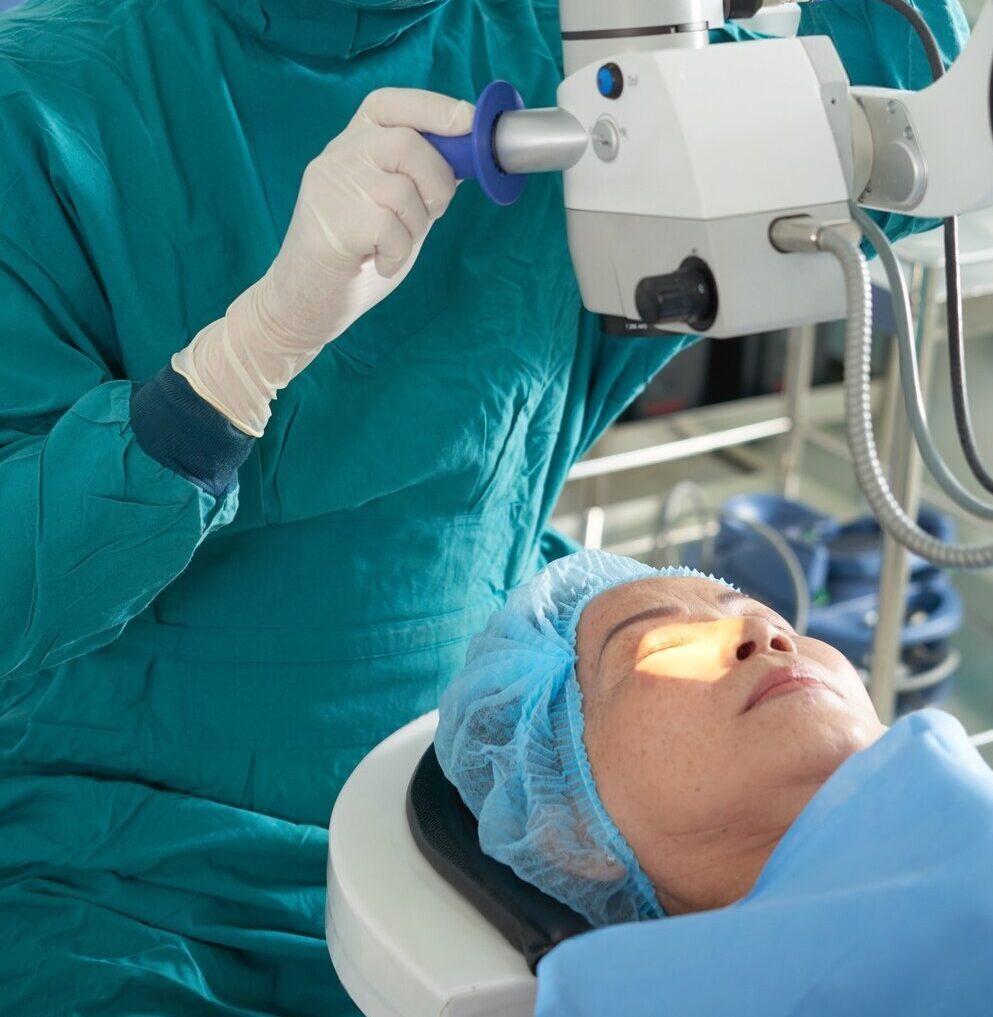
Does Glaucoma Cause Blindness? Understanding the Silent Thief of Sight Glaucoma is often called the “silent thief of sight”—and for good reason. It’s one of the leading causes of irreversible blindness worldwide, yet many people don’t realize they have it until significant vision loss has already occurred. But does glaucoma really cause blindness? The short …



Does Glaucoma Cause Blindness? Understanding the Silent Thief of Sight
Glaucoma is often called the “silent thief of sight”—and for good reason. It’s one of the leading causes of irreversible blindness worldwide, yet many people don’t realize they have it until significant vision loss has already occurred. But does glaucoma really cause blindness? The short answer is yes, if left untreated. However, with early detection and proper management, blindness can often be prevented.
What Is Glaucoma?
Glaucoma is not just one condition—it’s a group of eye diseases that damage the optic nerve, the part of your eye responsible for transmitting visual information to the brain. This damage usually happens when fluid builds up in the front part of your eye, increasing intraocular pressure (IOP). Over time, this pressure damages the optic nerve fibers, leading to gradual vision loss.
There are two main types of glaucoma:
- Open-angle glaucoma: The most common type, developing slowly and often without noticeable symptoms in the early stages.
- Angle-closure glaucoma: Less common but more severe, with a sudden rise in eye pressure causing immediate symptoms such as eye pain, nausea, and blurred vision.
Does Glaucoma Cause Blindness?
Glaucoma can indeed cause blindness—but it usually happens gradually and often goes unnoticed until it’s too late. The disease first affects peripheral vision, which means people may not detect any problem until central vision starts to fade.
If left untreated, glaucoma can lead to permanent vision loss and eventually total blindness. According to the World Health Organization, glaucoma is the second leading cause of blindness worldwide, after cataracts. However, unlike cataracts, glaucoma-related vision loss cannot be reversed, which makes early diagnosis and regular eye check-ups essential.
The good news? With timely treatment—such as eye drops, laser therapy, or surgery—most people can maintain their vision for life.
What Are the Symptoms of Glaucoma?
One of the reasons glaucoma is so dangerous is that it often develops without any early symptoms. Many patients don’t notice vision loss until the disease has progressed significantly.
Here are some common signs to watch for:
- Gradual loss of peripheral (side) vision
- Tunnel vision in advanced stages
- Eye pain or pressure
- Headaches around the eyes
- Halos or rainbow-colored circles around lights
- Blurry vision
- Redness in the eyes
- Nausea or vomiting (in cases of acute angle-closure glaucoma)
If you experience any of these symptoms, it’s crucial to see an eye specialist immediately. Early intervention can prevent further damage to the optic nerve and preserve your eyesight.
Can Diabetes Cause Glaucoma?
Yes—diabetes can increase your risk of developing glaucoma. People with diabetes are more likely to experience neovascular glaucoma, a type that occurs when new, abnormal blood vessels grow on the iris (the colored part of your eye) and block fluid drainage.
This condition can significantly raise eye pressure and lead to rapid optic nerve damage. Managing blood sugar levels through a balanced diet, medication, and regular check-ups is essential for diabetics who want to protect their vision.
Does Glaucoma Hurt?
This depends on the type of glaucoma you have.
- Open-angle glaucoma—the most common form—usually does not cause pain. That’s why it’s often referred to as a silent disease.
- Angle-closure glaucoma, however, can be very painful. Symptoms may include severe eye pain, blurred vision, red eyes, and nausea. This type of glaucoma is a medical emergency and requires immediate treatment to prevent permanent blindness.
So while glaucoma doesn’t always hurt, its damage can be devastating if ignored.
How to Prevent Glaucoma
While glaucoma can’t always be prevented, you can take several steps to reduce your risk and protect your eyesight:
- Get regular eye exams:
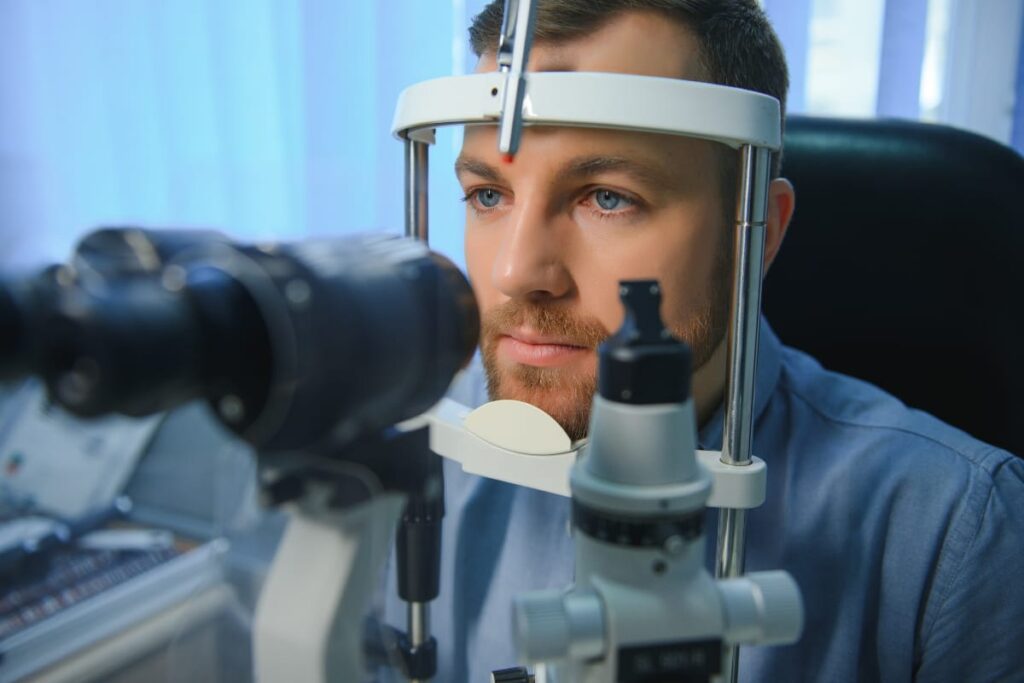
Early detection is the key. Eye doctors can measure your eye pressure and check the health of your optic nerve to spot early warning signs. Adults over 40, especially those with a family history of glaucoma, should schedule yearly eye exams. - Know your family history:
Glaucoma often runs in families. If your parents or siblings have it, your chances increase significantly. - Manage health conditions:
Keep conditions like diabetes and high blood pressure under control. Healthy blood circulation supports eye health. - Exercise regularly:
Moderate exercise, such as walking or swimming, can help reduce eye pressure and improve overall health. - Protect your eyes:
Wearing sunglasses and safety glasses prevents damage from UV rays and injuries that could increase glaucoma risk. - Avoid smoking:
Smoking affects blood flow and increases the risk of eye diseases, including glaucoma. - Use prescribed treatments:
If you’ve been diagnosed, follow your doctor’s instructions carefully. Consistent use of prescribed eye drops or medication can help maintain healthy eye pressure.
Is Glaucoma Curable?
Unfortunately, glaucoma is not curable, but it is manageable. Once vision is lost due to optic nerve damage, it cannot be restored. However, early treatment can slow or stop further vision loss.
Current treatments include:
- Prescription eye drops to reduce eye pressure
- Laser therapy to improve fluid drainage
- Surgical options for advanced cases
Ongoing research continues to explore new therapies—including gene therapy and neuroprotective drugs—that could one day offer better solutions.
Living with Glaucoma
Being diagnosed with glaucoma doesn’t mean losing your sight. With the right care and lifestyle changes, many people live full, active lives without major vision impairment.
Here are some helpful tips:
- Stick to your treatment plan consistently
- Maintain a healthy diet rich in fruits and vegetables
- Limit caffeine and alcohol
- Keep stress levels low, as stress can affect blood pressure and circulation
- Stay informed—knowledge empowers you to take charge of your eye health
Regular visits to your ophthalmologist can make a world of difference. Remember: the earlier you catch it, the better your chances of preserving your vision.
Conclusion
So, does glaucoma cause blindness? The answer is yes—but it doesn’t have to. Glaucoma-related blindness is preventable if you take proactive steps through early detection, regular eye exams, and proper treatment.
Understanding what glaucoma is, its symptoms, and risk factors like diabetes can help you protect one of your most precious senses—your sight.