Cankles: What They Mean, Why They Happen & What You Can Do If you have ever looked at your lower legs and wondered why your calves seem to flow directly into your ankles, you may have searched for cankles. The word is informal, but the concern behind it is very real for many people who …


Cankles: What They Mean, Why They Happen & What You Can Do
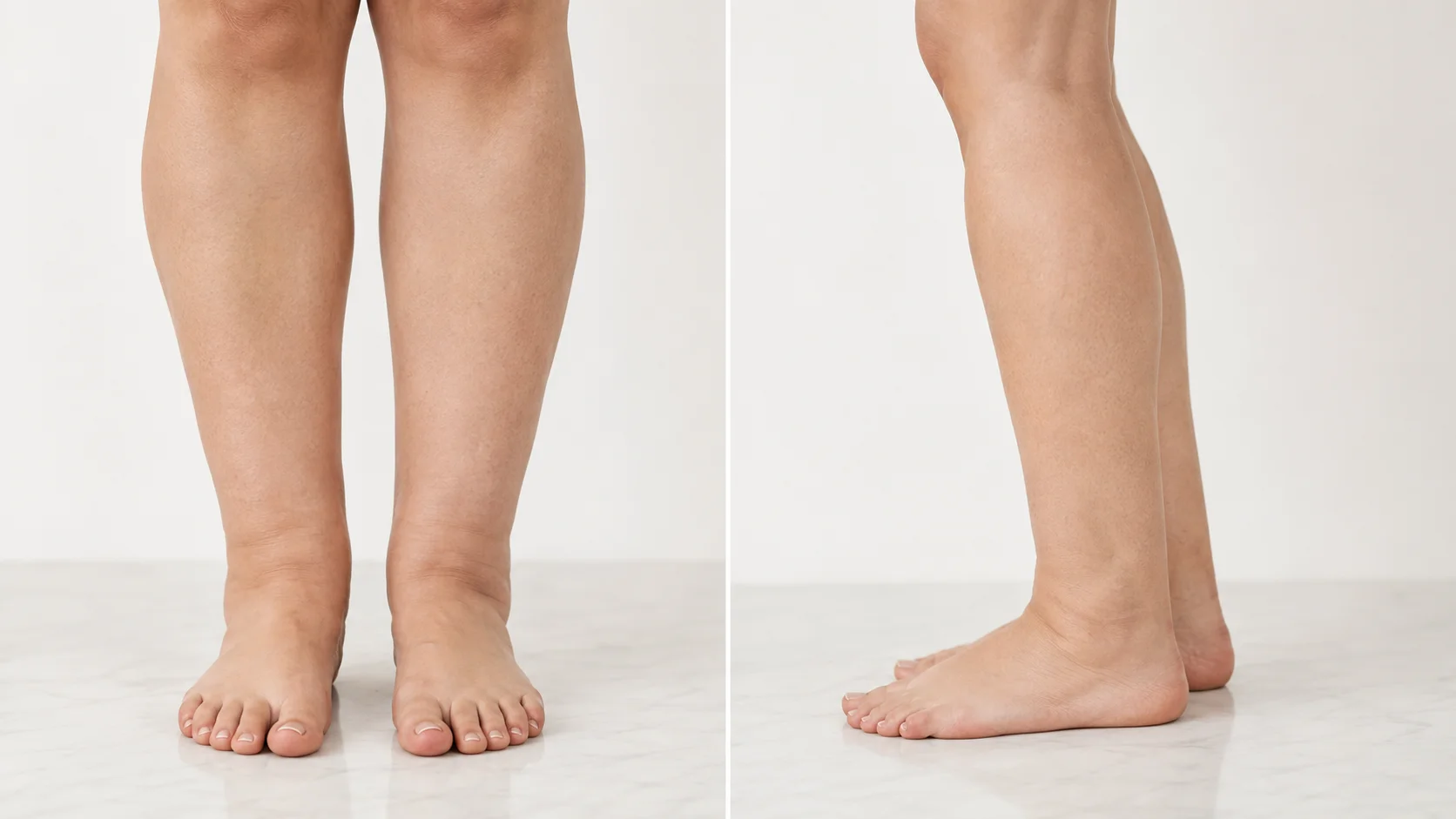
If you have ever looked at your lower legs and wondered why your calves seem to flow directly into your ankles, you may have searched for cankles. The word is informal, but the concern behind it is very real for many people who feel that their lower legs lack the definition they want.
The important point is that not every fuller ankle is caused by excess fat. The appearance can be related to genetics, bone and muscle structure, body-fat distribution, or temporary or persistent swelling. Understanding the reason for the fullness is the first step before considering any cosmetic treatment.
At ClearLee Perfect Aesthetics in Flushing, Queens, the goal of an aesthetic consultation is not simply to label an area as a cosmetic problem. Dr. David H. Lee, MD, takes an individualized approach to understanding a patient’s anatomy, goals, and appropriate treatment options.
Cankles Meaning: What Does the Term Actually Describe?
Cankles is a non-medical term formed from “calf” and “ankle.” It generally describes a lower leg in which there is less visible definition between the calf and ankle.
There is no single anatomical feature that creates this appearance. A person may naturally have wider ankles, more soft tissue around the lower leg, a fuller calf, or swelling that makes the transition between the calf and ankle less distinct.
That distinction matters because two people can have a very similar appearance for completely different reasons.
Someone whose ankles have always looked this way and who has no discomfort or swelling may simply have naturally occurring anatomy. On the other hand, a noticeable change in ankle size, particularly when it occurs suddenly or on only one side, deserves medical evaluation rather than an aesthetic treatment.
Is Ankle Fat the Reason You Have Cankles?
Sometimes, but not always.
Ankle fat can contribute to a less-defined ankle when localized subcutaneous fat is present around the lower leg. Body-fat distribution is influenced partly by genetics, which explains why some people remain relatively lean overall while retaining fullness in specific areas.
But fat is only one possibility.
The appearance of cankles can also reflect:
- Natural bone and joint structure
- Calf-muscle size and shape
- Genetics and overall body composition
- Localized subcutaneous fat
- Temporary fluid retention
- Edema associated with an underlying medical condition
- Prolonged sitting or standing
- Pregnancy or hormonal changes
- Certain medications
- Venous or lymphatic problems
This is one reason simply assuming that every fuller ankle needs fat reduction can lead to the wrong approach.
How to Tell the Difference Between Fat and Swelling
One of the most useful questions is whether your ankle shape has always been this way or whether it has changed.
If both ankles have a similar appearance and have remained relatively stable over the years, natural anatomy or fat distribution may be contributing. If the size fluctuates during the day, becomes more noticeable after prolonged standing, or appeared relatively recently, fluid retention or another medical factor may need to be considered.
There are also important warning signs.
You should seek medical assessment for new or unexplained swelling, particularly if it is:
- Sudden
- Painful
- Primarily affecting one leg
- Associated with redness or warmth
- Getting progressively worse
- Accompanied by shortness of breath or chest pain
- Associated with significant swelling elsewhere in the body
These symptoms should not be treated as a cosmetic concern until the underlying cause has been evaluated.
Why Weight Loss Does Not Always Change the Appearance of Cankles
A common assumption is that losing weight will automatically create a narrow ankle.
It may help when generalized body-fat levels contribute to lower-leg fullness, but the result varies considerably between individuals. You cannot choose exactly where your body removes fat during ordinary weight loss.
Genetics, skeletal structure, muscle distribution, and where your body preferentially stores subcutaneous fat all influence the final shape of the lower leg.
This is why someone can be fit and maintain a healthy weight while still having relatively full ankles.
In an aesthetic consultation, that distinction is useful. The goal should be to determine whether there is actually a treatable fat pocket rather than assuming that a smaller number on the scale will solve the concern.
Can Exercise Get Rid of Cankles?
Exercise is valuable for overall health and can strengthen the muscles of the lower leg, but it cannot selectively remove fat from the ankle.
If swelling is contributing to ankle fullness, regular movement may also support healthy circulation, depending on the underlying cause. However, persistent swelling should be evaluated rather than treated solely through exercise.
For someone whose concern is specifically a localized fat pocket, exercise and weight loss may not produce the precise contour change they are looking for.
That is where an individualized assessment becomes more useful than a generic “cankles exercise” routine.
What Treatment Options Exist for Cankles?
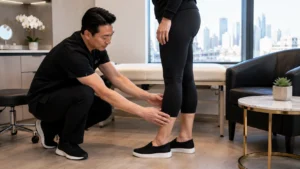
There is no universal cankles treatment because the appropriate option depends on what is creating the appearance.
| What contributes to the appearance | Typical approach |
|---|---|
| Natural ankle or bone structure | Usually no cosmetic treatment is necessary |
| Calf-muscle shape | Exercise may influence overall muscle development, but cannot reshape the underlying anatomy completely |
| Generalized body fat | Healthy weight management may reduce overall fat |
| Localized ankle fat | A qualified provider may discuss whether targeted fat reduction or surgical contouring is appropriate |
| Fluid retention | Address the underlying cause rather than treating the area cosmetically |
| Venous or lymphatic problems | Medical evaluation and condition-specific treatment |
The most important step is determining which category applies to you.
Ankle Liposuction for Localized Fat
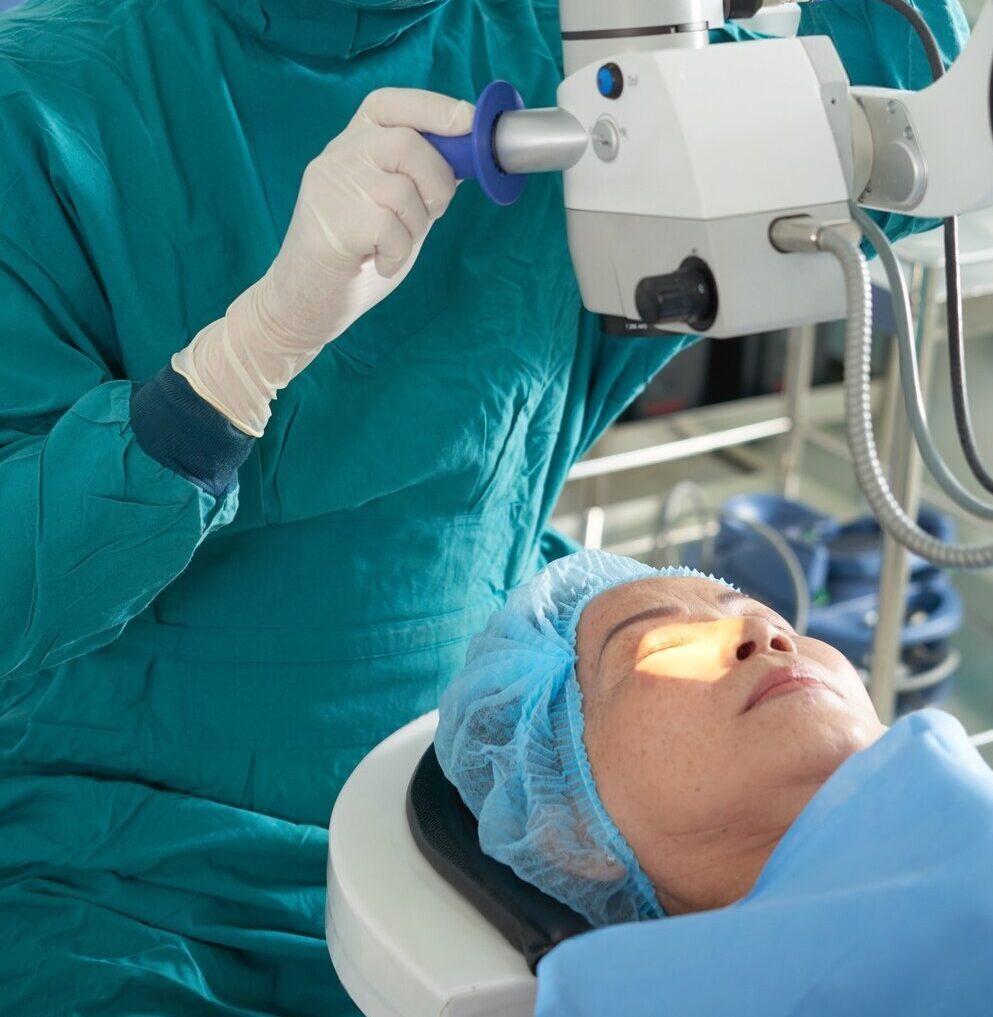
When the main issue is a discrete deposit of subcutaneous fat, surgical liposuction may be considered in appropriately selected patients.
Ankle and calf liposuction is technically more delicate than treating many larger body areas because the region contains important anatomical structures and has relatively little soft tissue. Experienced surgeons therefore approach lower-leg contouring conservatively, with the goal of creating a smooth transition rather than simply removing as much fat as possible.
Liposuction is also not a treatment for obesity, edema, or an underlying vascular or lymphatic disorder. It is a contouring procedure for selected areas of excess fat.
At ClearLee Perfect Aesthetics, our existing body-contouring services include individualized assessment of localized body-fat concerns. Whether a particular ankle concern is appropriate for an available treatment cannot be determined from photographs or keywords alone; an in-person medical consultation is the appropriate way to assess anatomy and options.
What Results Can You Realistically Expect?
The realistic goal is better proportion and definition, not an artificially thin ankle.
If localized fat is genuinely contributing to the appearance, reducing that fat may make the transition from calf to ankle more visible. However, the degree of change depends on the amount and location of fat, skin quality, muscle structure, bone anatomy, and whether swelling is present.
Patients sometimes expect the entire lower leg to become dramatically narrower. That is not always realistic.
A good treatment plan should preserve natural proportions. Removing too much tissue or trying to create an exaggerated contour can produce an unnatural appearance.
How Much Does Cankles Treatment Cost in NYC?
There is no single price for treating cankles because the term describes an appearance rather than one standardized procedure.
For surgical ankle liposuction, published NYC provider information indicates that pricing is individualized according to the areas treated, complexity, anesthesia, facility costs, and the surgeon’s approach. Some published sources place ankle liposuction in several-thousand-dollar ranges, but these figures should not be treated as a quote for an individual patient.
At a Flushing or Queens aesthetic practice, the appropriate cost can only be determined after the provider establishes:
- Whether the fullness is actually fat
- Which areas need treatment
- Whether the calf also needs contouring
- Whether skin laxity is present
- What type of procedure is appropriate
- Whether anesthesia or facility services are required
For that reason, a personalized consultation is more useful than relying on an online “cankles cost” estimate.
What Are the Risks of Treating Ankle Fat?
Any invasive fat-removal procedure carries risks.
Potential complications associated with liposuction can include swelling, bruising, temporary or persistent numbness, infection, bleeding, contour irregularities, asymmetry, and injury to nearby nerves or blood vessels. Lower-leg procedures require particular attention to anatomy and postoperative swelling.
Another important consideration is that ankle swelling after surgery can temporarily obscure the final contour. Results therefore should not be judged immediately after treatment.
The safest approach is to select a qualified medical provider who can determine whether the expected benefit justifies the risks for your particular anatomy.
Why a Consultation Matters More With Cankles Than With Many Other Cosmetic Concerns

Lower-leg contour is highly individual.
Two patients may describe the same concern as “ankle fat,” while one has a localized fat pocket and the other has primarily skeletal anatomy or swelling. Treating both people identically would not make medical sense.
During a personalized consultation, Dr. David H. Lee, MD, can evaluate the overall proportions of the lower leg, discuss the patient’s aesthetic goals, and determine whether body contouring is appropriate or whether another medical evaluation is needed.
This individualized approach is particularly important in NYC, where patients often want treatments that fit around demanding work schedules and daily routines. The goal should be a medically appropriate plan rather than choosing a procedure simply because it is popular.
Cankles in NYC: Why Local Lifestyle Factors Can Matter
Lower-leg appearance can fluctuate with everyday habits.
Long periods of sitting at a desk, commuting, standing during work, warm summer weather, and limited movement during a busy NYC schedule can contribute to temporary ankle swelling in some people. These factors do not necessarily mean that someone has excess ankle fat.
That is why it can be helpful to observe whether your ankles look different at different times of the day or under different circumstances.
For patients in Flushing, Queens, this distinction can make the consultation more productive: is the concern a stable body-contour feature, or is the ankle actually changing because of fluid accumulation?
Cankles vs. Other Lower-Leg Concerns
It is also important not to confuse cankles with conditions that require medical management.
| Concern | What may be noticed | Main consideration |
| Natural fuller ankles | Stable appearance, often symmetrical | May simply be normal anatomy |
| Localized ankle fat | Soft fullness that remains relatively consistent | Cosmetic contouring may be considered |
| Edema | Swelling that can fluctuate | Identify the underlying cause |
| Venous insufficiency | Leg heaviness, swelling or other circulation-related symptoms | Medical evaluation may be appropriate |
| Lymphedema | Persistent swelling and tissue changes | Requires condition-specific management |
This distinction is one of the most important parts of evaluating a person who searches for cankles.
When Cankles Are Simply Part of Your Natural Anatomy
Not every aesthetic concern requires treatment.
Some people naturally have broader ankle bones, a different calf-to-ankle transition, or a distribution of soft tissue that creates a less tapered appearance. If there is no swelling, pain, or recent change, this may simply be the way your lower legs are built.
Cosmetic treatment should be considered because it aligns with your personal goals—not because the word “cankles” makes a normal body variation sound like a medical problem.
When to Consider a Consultation
A consultation may make sense if your ankle appearance is a stable cosmetic concern and you want to understand whether localized fat or another contour issue is contributing.
It is especially useful when:
- Diet and exercise have not changed a persistent localized fullness
- Your overall weight is stable
- You believe there is a specific fat pocket around the ankle
- You want to understand surgical versus non-surgical possibilities
- You are unsure whether the area is fat or swelling
- You want a professional assessment before making a treatment decision
ClearLee Perfect Aesthetics provides personalized aesthetic consultations in Flushing, Queens, with treatment planning centered on individual anatomy, safety, and natural-looking results.
Frequently Asked Questions About Cankles
What does cankles meaning refer to?
“Cankles” is an informal term describing a lower leg with little visible definition between the calf and ankle. It is not a medical diagnosis and can have several different causes.
Are cankles caused by ankle fat?
They can be, but ankle fat is only one possible contributor. Genetics, bone structure, muscle, and fluid retention can also affect ankle appearance.
Can you lose ankle fat naturally?
Overall weight loss may reduce body fat in some people, but it is not possible to specifically direct the body to burn fat from the ankles. Genetics also influence where fat is stored and lost.
Can exercise reduce cankles?
Exercise cannot selectively remove ankle fat. It can improve overall fitness and may support healthy circulation, but persistent swelling requires evaluation of the underlying cause.
Is cankle liposuction safe?
Liposuction can be appropriate for carefully selected patients, but ankle and calf contouring requires attention to the area’s anatomy. Like any surgical procedure, it carries potential risks and should be performed by an appropriately qualified medical professional.
How much does ankle liposuction cost in NYC?
There is no universal NYC price. The cost depends on the treatment area, complexity, anesthesia, facility, and provider. Published NYC sources show that surgical ankle contouring can cost several thousand dollars, but an individualized quote requires a consultation.
Are cankles always a cosmetic issue?
No. A naturally broad ankle may simply be normal anatomy. New, painful, one-sided, or persistent swelling can have medical causes and should be evaluated before cosmetic treatment is considered.
Can cankles suddenly appear?
The appearance of the ankles can change because of fluid retention, injury, medication effects, pregnancy, prolonged sitting or standing, warm weather, or medical conditions. A sudden or unexplained change should be medically assessed.
Where can I discuss cankles treatment in Flushing, Queens?
ClearLee Perfect Aesthetics in Flushing, Queens, offers personalized aesthetic consultations and body-contouring services. The appropriate option depends on whether the fullness is related to localized fat, skin, anatomy, or another cause.
The Bottom Line
Cankles describe an appearance, not a diagnosis. The lack of definition between the calf and ankle may result from natural anatomy, localized ankle fat, muscle structure, or swelling.
If the appearance has been stable and you have no other symptoms, it may simply be part of your natural body shape. If there is localized fat that bothers you, targeted body-contouring options may be worth discussing. If the ankle has become swollen, painful, asymmetrical, or noticeably different, medical evaluation should come first.
For patients in Flushing, Queens, and throughout NYC, a personalized consultation can help separate a cosmetic contour concern from a condition that needs medical attention—and help you choose an approach based on your anatomy rather than a generic treatment trend.