7 Things to Know About Ablative CO2 Laser Before Treatment If you are considering laser resurfacing for wrinkles, acne scars, uneven texture, or visible sun damage, you may have already come across ablative CO2 laser treatment. It is one of the more intensive resurfacing approaches, and that is precisely why choosing the right treatment depth …

7 Things to Know About Ablative CO2 Laser Before Treatment
If you are considering laser resurfacing for wrinkles, acne scars, uneven texture, or visible sun damage, you may have already come across ablative CO2 laser treatment. It is one of the more intensive resurfacing approaches, and that is precisely why choosing the right treatment depth matters.
Ablative CO2 resurfacing works by precisely removing damaged outer layers of skin while delivering controlled thermal energy to stimulate collagen remodeling beneath the skin. The goal is not simply to make the skin look temporarily smoother. Properly selected treatment can address several signs of skin aging and damage simultaneously.
But more aggressive does not automatically mean better. The appropriate laser settings depend on your skin, the concern being treated, the area being treated, and how much recovery time you can realistically accommodate.
For patients in Flushing, Queens, and New York City, that conversation is particularly important. A busy work schedule, frequent commuting, sun exposure, and the need to return to normal activities can all influence which resurfacing approach makes sense.
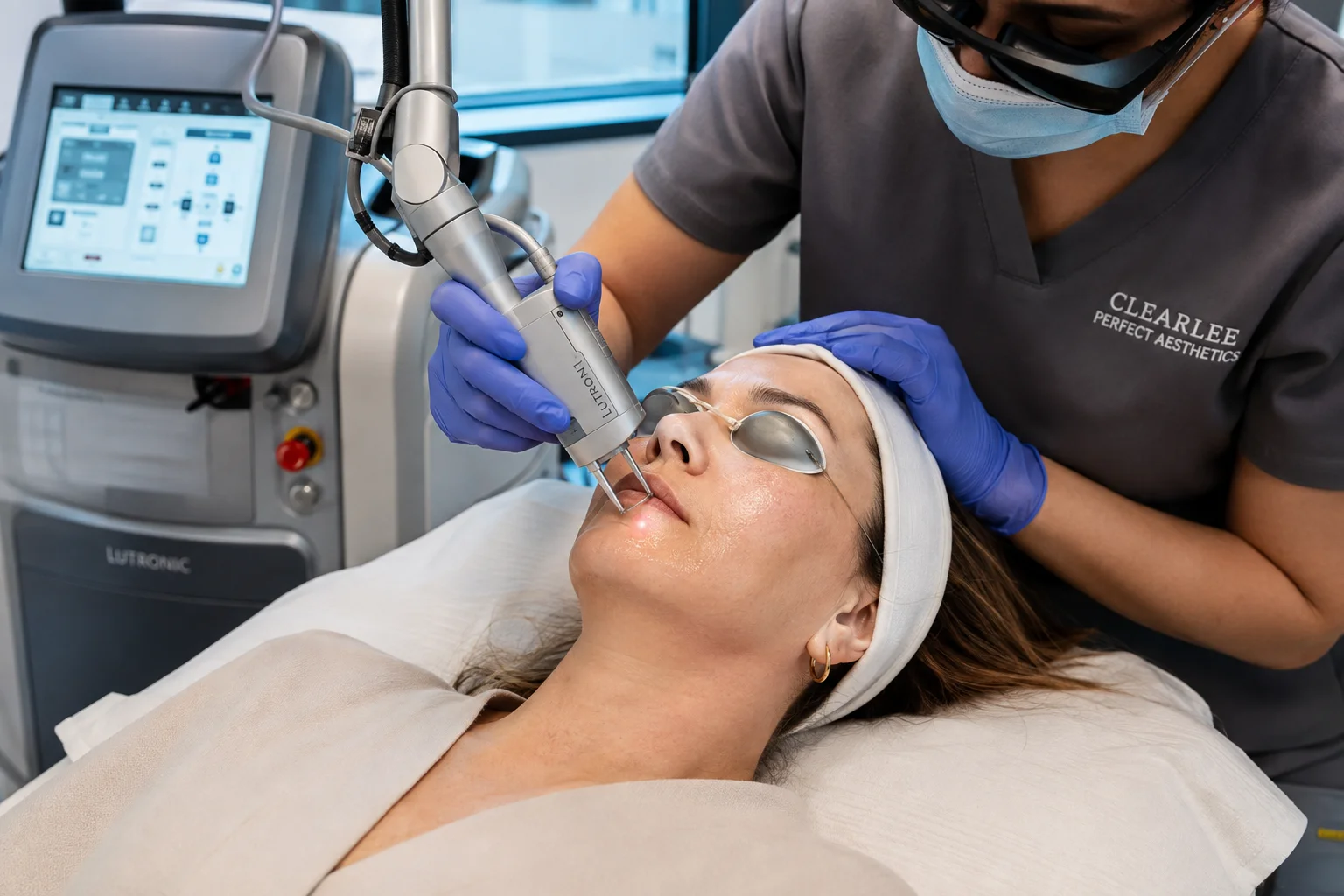
At ClearLee Perfect Aesthetics, treatment planning is approached as a personalized medical decision rather than a one-size-fits-all laser package.
What Is Ablative CO2 Laser Resurfacing?
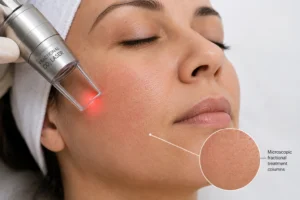
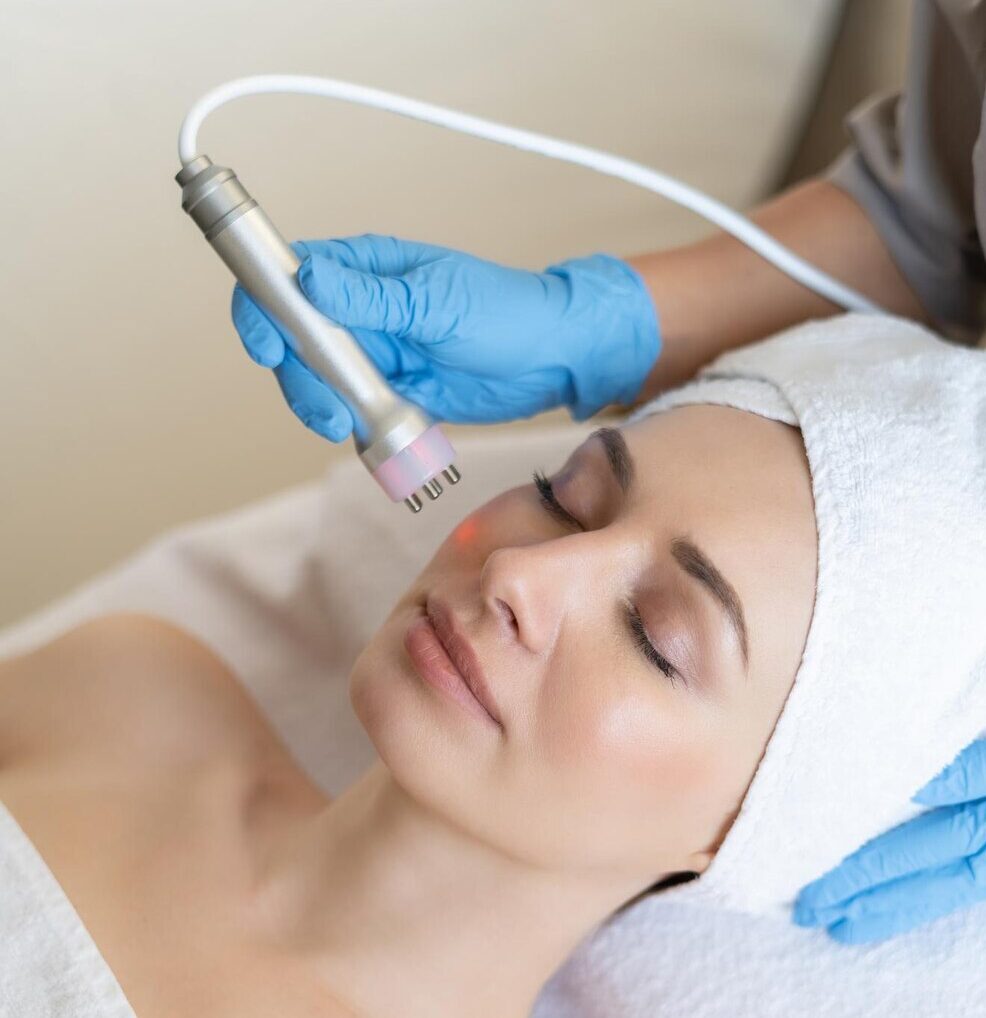
Ablative CO2 laser resurfacing uses carbon dioxide laser energy to remove controlled layers of damaged skin. The treatment can also create controlled thermal effects in deeper tissue, encouraging collagen remodeling as the skin heals.
This makes it fundamentally different from treatments that only heat the skin without removing its surface.
Ablative CO2 resurfacing may be considered for concerns such as:
- Fine lines and wrinkles
- Sun-damaged skin
- Uneven skin texture
- Certain acne scars
- Skin roughness
- Some pigmentation concerns
- Loss of skin smoothness associated with aging
The depth and intensity can vary considerably. A treatment designed primarily for surface texture is not necessarily the same treatment used for deeper wrinkles or more pronounced scarring.
That distinction is important when comparing treatment recommendations and prices.
Why Choose Ablative CO2 Instead of a Gentler Laser?
Patients often ask whether they should simply choose the strongest available laser. In practice, the better question is: What level of treatment is appropriate for your skin and your goal?
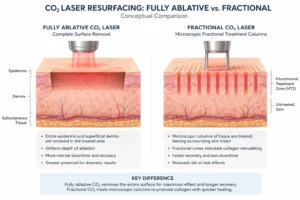
Ablative resurfacing can produce more significant tissue remodeling than many gentler resurfacing treatments, but it generally comes with more visible healing and downtime. Fractional approaches can reduce the amount of skin treated during each session, leaving untreated areas between the microscopic treatment columns to support healing.
This creates an important trade-off:
| Treatment approach | Typical goal | Downtime | Treatment intensity |
|---|---|---|---|
| Fully ablative CO2 | More substantial resurfacing | Longer | High |
| Fractional ablative CO2 | Texture, scars, wrinkles and rejuvenation | Moderate to longer | Customizable |
| Non-ablative resurfacing | Mild-to-moderate rejuvenation | Usually shorter | Lower |
| Chemical peels | Surface pigmentation and texture | Varies | Mild to moderate |
| Microneedling | Texture and collagen stimulation | Usually shorter | Moderate |
The right choice depends on what you are trying to correct—not simply which treatment sounds more powerful.
Fractional CO2 Laser Skin Resurfacing: How Is It Different?
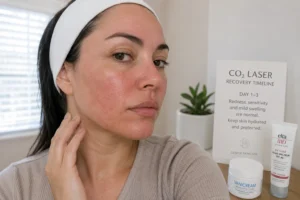
Fractional CO2 laser skin resurfacing treats microscopic columns of tissue rather than removing the entire surface of the treatment area.
Because some surrounding skin remains untreated, fractional treatment can allow the skin to heal more efficiently than a fully ablative approach. However, fractional CO2 is still an ablative treatment in many configurations and should not be confused with a completely downtime-free procedure.
Fractional treatment may be particularly useful when the primary concerns include:
- Acne scarring
- Fine lines
- Uneven texture
- Enlarged-looking pores
- Sun-related skin changes
- Overall skin rejuvenation
The settings can be adjusted according to the patient’s concerns and desired recovery period. A lighter fractional treatment and a more aggressive fractional treatment should not be viewed as interchangeable procedures.
Who May Benefit From Ablative CO2?
A consultation should determine whether ablative resurfacing is appropriate rather than assuming that every patient with wrinkles or acne scars is a candidate.
Someone may be considered for CO2 resurfacing when they have concerns such as:
- Noticeable photoaging
- Fine-to-moderate wrinkles
- Significant texture irregularities
- Acne scars
- Rough or damaged skin
- A desire for more substantial resurfacing than gentler treatments provide
Your medical history, current skin condition, tendency toward pigmentation changes, medications, history of cold sores, and expectations should all be considered.
Patients with darker skin tones may require particularly careful treatment planning because laser resurfacing can increase the risk of post-inflammatory hyperpigmentation.
This is one reason an in-person assessment is more useful than choosing a laser based only on an online before-and-after photograph.
What Results Can You Realistically Expect?
The skin may initially look significantly different during the healing period. Redness, swelling, sensitivity, and surface changes can occur after more intensive CO2 resurfacing.
The eventual improvement is gradual.
As the skin heals, collagen remodeling can contribute to smoother texture and a more even appearance. The degree of improvement depends on treatment depth, the condition being treated, skin characteristics, and individual healing.
It is also important to distinguish improvement from elimination.
Ablative CO2 may soften wrinkles and improve the appearance of certain scars, but it cannot completely erase every scar or stop the natural aging process.
Patients sometimes focus heavily on dramatic before-and-after photographs. In a consultation, it is more useful to discuss whether the expected improvement is meaningful enough to justify the downtime and potential risks.
CO2 Laser Costs: What Actually Determines the Price?
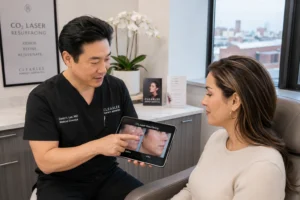
There is no single price for CO2 laser treatment.
CO2 laser costs can vary substantially because “CO2 laser” can describe treatments with very different levels of intensity, coverage, technology, and medical involvement.
Factors that can affect the price include:
- Fully ablative versus fractional treatment
- Full-face versus smaller treatment areas
- Treatment intensity and depth
- Laser platform and technology
- Physician experience
- Anesthesia or numbing requirements
- Whether the neck or another area is included
- Pre-treatment and post-treatment care
- Whether multiple treatment sessions are recommended
For that reason, comparing two prices without comparing what is included can be misleading.
A lower quote may represent a smaller treatment area or a less intensive procedure, while a higher quote may include more extensive resurfacing or additional medical services.
In NYC, online discussions also show substantial variation in quoted CO2 prices, which reinforces the importance of comparing the actual treatment plan rather than the dollar amount alone.
At a Flushing, Queens consultation, the most useful question is not simply “How much does CO2 laser cost?” but rather “What treatment am I being quoted for, and what is included?”
How Much Downtime Does Ablative CO2 Require?
Downtime depends heavily on how aggressively the skin is treated.
More intensive CO2 resurfacing can require a meaningful period of healing. Cleveland Clinic notes that healing after CO2 resurfacing can commonly take approximately 10–21 days depending on treatment intensity and the condition treated, while fractional resurfacing can have a shorter recovery period.
You may experience:
- Redness
- Swelling
- Skin sensitivity
- Peeling or surface changes
- Temporary discoloration
- Increased sensitivity to sunlight
The visible redness can persist beyond the initial healing period. Some patients therefore schedule treatment when they can take time away from work, social events, or frequent outdoor activities.
For busy NYC professionals, planning the procedure around work commitments can be just as important as choosing the laser itself.
What Are the Risks?
CO2 resurfacing is a medical procedure, not simply a cosmetic facial.
Potential complications can include:
- Prolonged redness
- Hyperpigmentation
- Hypopigmentation
- Acne or milia during healing
- Infection
- Cold sore reactivation
- Delayed healing
- Scarring, although uncommon
The risk profile depends on the treatment depth, skin characteristics, aftercare, and individual medical factors.
Patients should tell their provider about a history of cold sores, medications, previous laser treatments, abnormal scarring, and significant pigmentation problems before treatment.
Sun protection is also important before and after resurfacing. Excessive sun exposure around treatment can complicate healing and pigmentation.
How NYC Lifestyle Can Affect Your Treatment Plan
Skin does not exist in a vacuum.
For someone living or working in New York City, treatment planning may need to account for commuting, outdoor exposure, exercise, professional obligations, and seasonal changes.
For example, someone who spends several hours outdoors during summer may have a very different ideal treatment date from someone who works primarily indoors and can schedule recovery during a quieter period.
Urban pollution, dry winter air, and frequent temperature changes can also affect how comfortable your skin feels during recovery.
The practical question is often not simply “Can I have CO2 laser treatment?” but “Can I realistically follow the recovery plan?”
That is an important part of a responsible consultation.
Ablative CO2 vs. Fractional CO2: Which One Makes Sense?
The choice should be based on the balance between the desired improvement and acceptable recovery.
| Your priority | Approach that may be considered |
|---|---|
| More substantial resurfacing | Ablative CO2 |
| Acne scars and texture | Fractional CO2 |
| Moderate skin rejuvenation | Fractional resurfacing |
| Minimal downtime | Less aggressive/non-ablative options |
| Significant sun damage | CO2 or another resurfacing approach after evaluation |
| Mild texture concerns | Gentler resurfacing options may be sufficient |
This table is only a starting point. A medical assessment is needed to determine whether a particular laser and treatment intensity are appropriate.
What If CO2 Laser Is Not the Right Treatment?
Not every patient needs ablative resurfacing.
Depending on the concern, alternatives may include:
- Non-ablative laser treatments
- Chemical peels
- Microneedling
- Other collagen-stimulating treatments
- Targeted treatments for pigmentation
- Combination treatment plans
For example, someone with mild texture concerns and very limited availability for downtime may prefer a less aggressive option. Someone with deeper textural changes may accept more recovery for a stronger resurfacing approach.
The goal should be to choose the least aggressive treatment capable of reasonably addressing the patient’s concern, rather than automatically selecting the most intensive procedure.
Questions to Ask Before Booking CO2 Laser Treatment
Before committing to treatment, consider asking:
- Is my treatment fully ablative or fractional?
- What specific skin concerns are you treating?
- How aggressive will the treatment be?
- How much downtime should I realistically plan for?
- What side effects are most relevant to my skin type?
- What will my total treatment cost include?
- Will I need one treatment or a treatment series?
- What should I avoid before treatment?
- What will my aftercare involve?
- What alternatives would give me a similar goal with less downtime?
These questions can make it much easier to compare treatment plans from different providers.
Why a Personalized Consultation Matters
There is no universal CO2 setting that is right for every face.
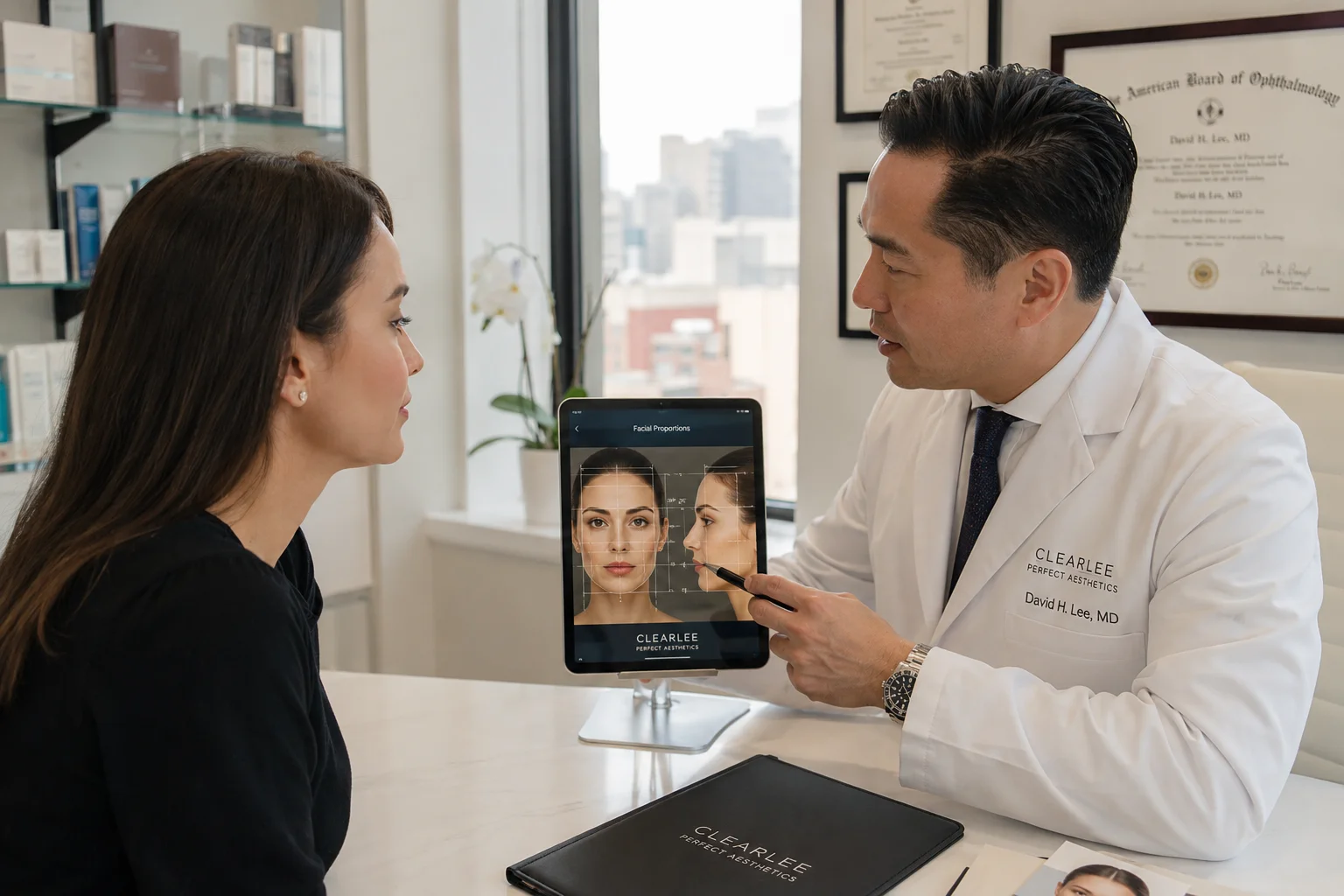
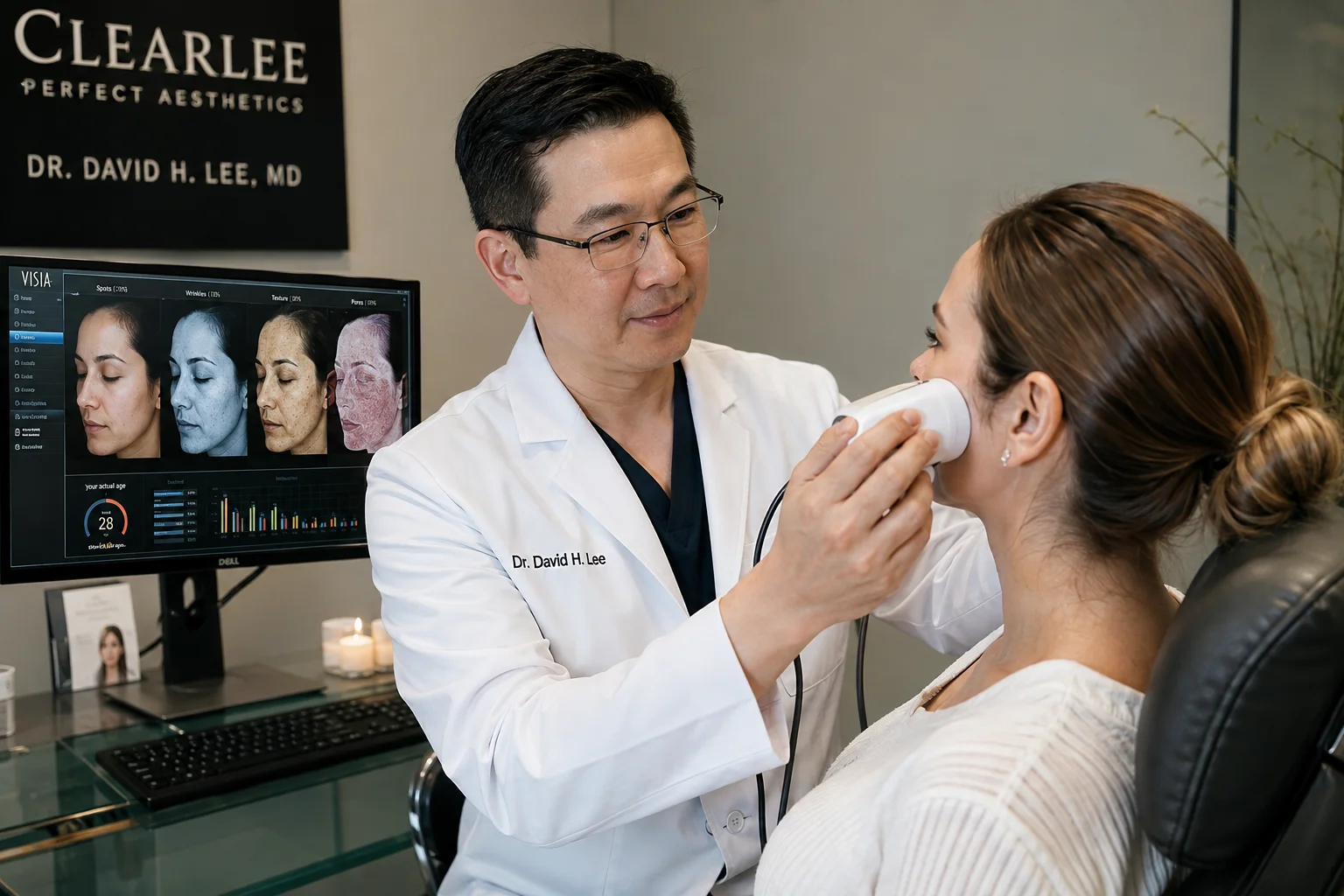
At ClearLee Perfect Aesthetics in Flushing, Queens, treatment planning should begin with the patient’s actual skin concerns, medical history, lifestyle, and expectations. Under the direction of Dr. David H. Lee, MD, the focus is on evaluating whether a medical-grade laser treatment is appropriate and determining a treatment approach that balances expected improvement with safety and recovery.
That personalized assessment is especially important when considering ablative resurfacing because treatment intensity, skin type, previous procedures, and aftercare all influence the overall experience.
Frequently Asked Questions
Is ablative CO2 laser worth it?
It can be worthwhile for appropriately selected patients who want more substantial improvement in wrinkles, scars, or skin texture and are prepared for the associated recovery. It is not automatically the best option for everyone.
Is fractional CO2 the same as ablative CO2?
Not exactly. Fractional CO2 is a method of delivering ablative CO2 energy in microscopic treatment columns while leaving surrounding areas untreated. This can allow for a different balance of resurfacing and recovery.
How long does CO2 laser recovery take?
Recovery varies with treatment intensity. More intensive CO2 resurfacing can require roughly 10–21 days for initial healing, while fractional treatments may have shorter recovery periods. Individual healing varies.
Are CO2 laser costs higher in NYC?
Prices can vary significantly in New York City, but there is no single standard NYC price. Treatment type, treatment area, intensity, technology, physician expertise, and anesthesia or other services can all affect the final cost.
Can CO2 laser remove acne scars completely?
CO2 resurfacing can improve the appearance of certain acne scars, but complete removal should not be promised. The type, depth, and characteristics of the scar determine how much improvement may be possible.
Is fractional CO2 laser skin resurfacing painful?
Comfort varies according to treatment intensity and the method of anesthesia or numbing used. Your provider should discuss the expected sensation and comfort plan before treatment.
Can people with darker skin have CO2 laser resurfacing?
Some patients with darker skin tones may face a higher risk of post-treatment pigmentation changes. That does not mean laser treatment is automatically impossible, but careful patient selection and treatment planning are important.
When is the best time to have CO2 laser treatment in NYC?
There is no single best season for everyone. Many patients prefer periods when they can limit sun exposure and schedule adequate recovery away from work and social commitments. Your provider can help determine an appropriate treatment date based on your lifestyle.