Best Laser for Skin Tightening: A Complete Expert Guide to Safer, Firmer, Younger-Looking Skin Loose, sagging skin is one of the most common aesthetic concerns—especially as collagen production slows with age. If you’ve been searching for the best laser for skin tightening, you’re likely looking for a solution that delivers visible results without surgery, downtime, …

Best Laser for Skin Tightening: A Complete Expert Guide to Safer, Firmer, Younger-Looking Skin
Loose, sagging skin is one of the most common aesthetic concerns—especially as collagen production slows with age. If you’ve been searching for the best laser for skin tightening, you’re likely looking for a solution that delivers visible results without surgery, downtime, or risk. Modern aesthetic medicine has made that possible, but choosing the right treatment isn’t always straightforward.
This guide breaks down everything you actually need to know—from how laser tightening works to realistic results, costs, safety, and how to choose the right clinic—so you can make a confident, informed decision.
What Is Laser Skin Tightening and How Does It Work?
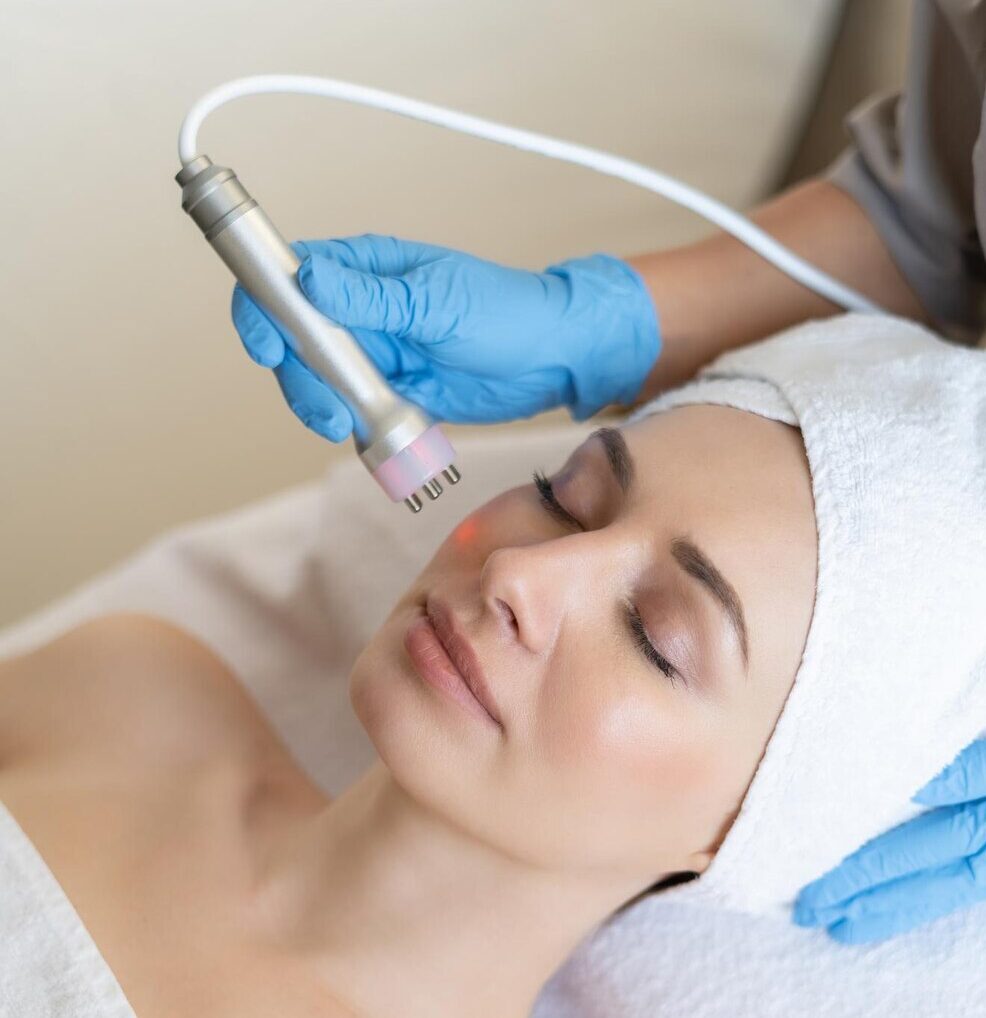
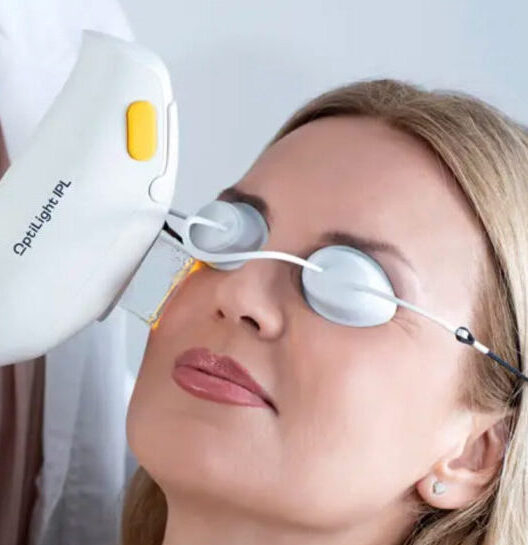
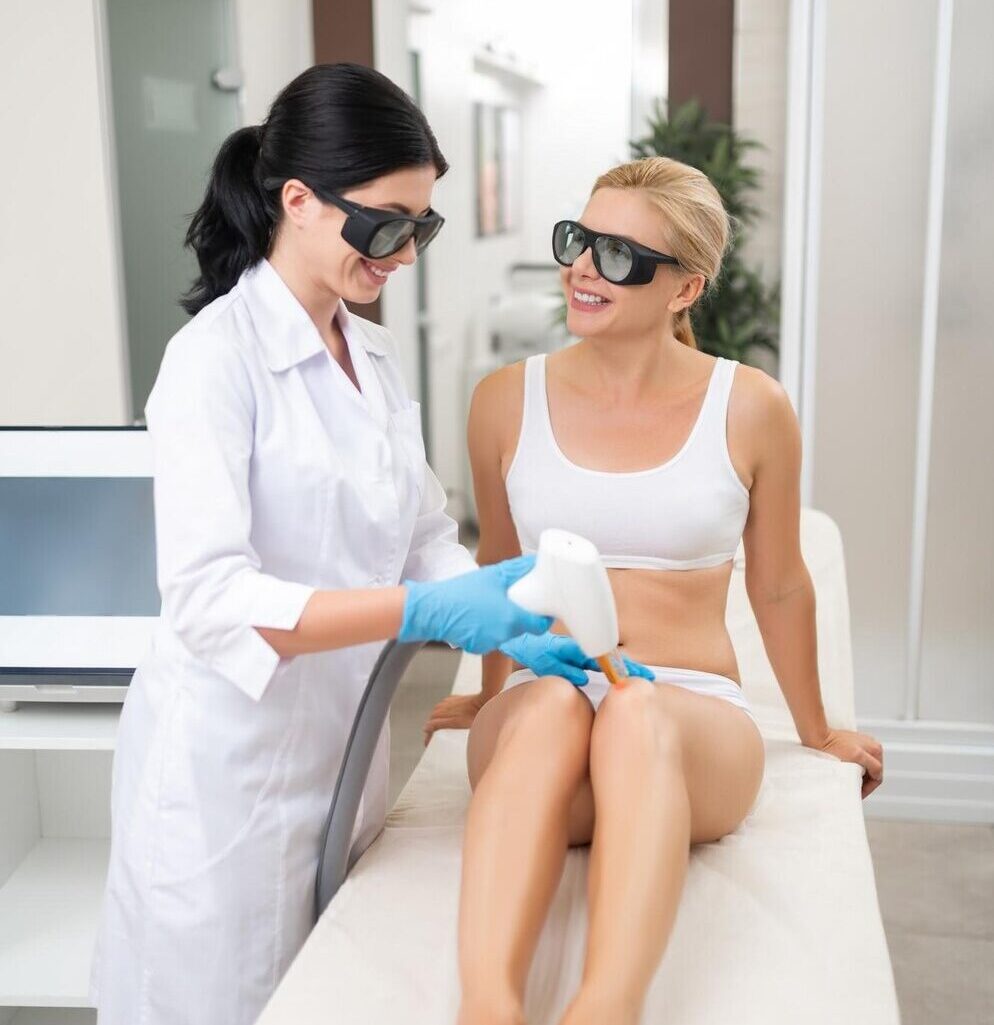
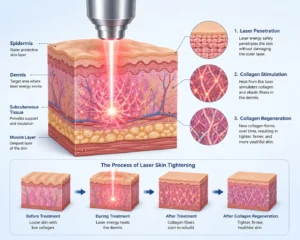
Laser skin tightening is a non-surgical treatment that uses controlled heat energy to stimulate collagen and elastin production deep within the skin. This process gradually improves firmness, texture, and elasticity.
At a clinical level, the treatment works by:
- Delivering targeted thermal energy into the dermis
- Triggering a controlled healing response
- Stimulating fibroblasts to produce new collagen fibers
- Remodeling existing collagen for tighter, smoother skin
Unlike topical treatments, a collagen stimulation laser works beneath the surface—where real structural changes happen.
Why Collagen Matters
Collagen acts as the skin’s internal support system. After age 25–30, production declines steadily, leading to:
- Skin laxity
- Fine lines and wrinkles
- Loss of contour in areas like the jawline and neck
Laser-based treatments aim to reverse part of this process by reactivating collagen production naturally.
According to the American Academy of Dermatology, energy-based treatments can improve skin firmness over time by stimulating collagen regeneration—though results vary depending on individual factors.
Types of Skin Tightening Technologies: Laser vs RF vs Ultrasound
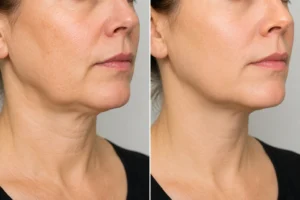
Not all skin tightening treatments are created equal. Understanding the differences helps you choose the right option.
| Technology | How It Works | Best For | Key Advantage |
|---|---|---|---|
| Laser Skin Tightening | Uses light energy converted to heat | Mild to moderate laxity | Precision + collagen stimulation |
| Radiofrequency (RF) | Uses electrical energy to heat tissue | All skin types | Safer for darker skin tones |
| Ultrasound (HIFU) | Uses focused ultrasound waves | Deeper lifting (SMAS layer) | Non-invasive lifting effect |
Key Insight (Often Overlooked)
Many patients assume “stronger” equals “better.” In reality, the best skin tightening laser treatment depends on depth, skin type, and treatment goals, not just intensity.
What Is the Best Skin Tightening Laser?
There isn’t a single universal answer—but some technologies consistently deliver reliable results in clinical practice.
Common High-Performance Options
1. Nd:YAG Lasers
- Penetrate deeper into the skin
- Ideal for tightening and mild contouring
- Suitable for multiple skin tones
2. Fractional Lasers (e.g., Fraxel)
- Create micro-injuries to stimulate repair
- Best for texture + mild tightening
- Slight downtime possible
3. Er:YAG and CO2 Lasers
- More aggressive resurfacing
- Stronger results but longer recovery
- Best for advanced aging signs
Practitioner Insight
In real-world clinics, the “best skin tightening laser” is often chosen based on combination protocols, not a single device. For example:
- Laser + RF for enhanced collagen stimulation
- Laser + microneedling for improved texture and tightening
This tailored approach delivers more consistent outcomes than relying on one method alone.
Which Option Is Best for Your Skin Type, Age, and Concern?
Choosing the right treatment depends on several factors:
Age-Based Guidance
- 30s–40s: Preventative tightening, mild laxity
- 40s–50s: Moderate sagging, early jowls
- 50+: Advanced laxity, often requires combination treatments
Skin Type Considerations
- Darker skin tones often respond better to RF-based treatments
- Sensitive skin may require lower-energy protocols
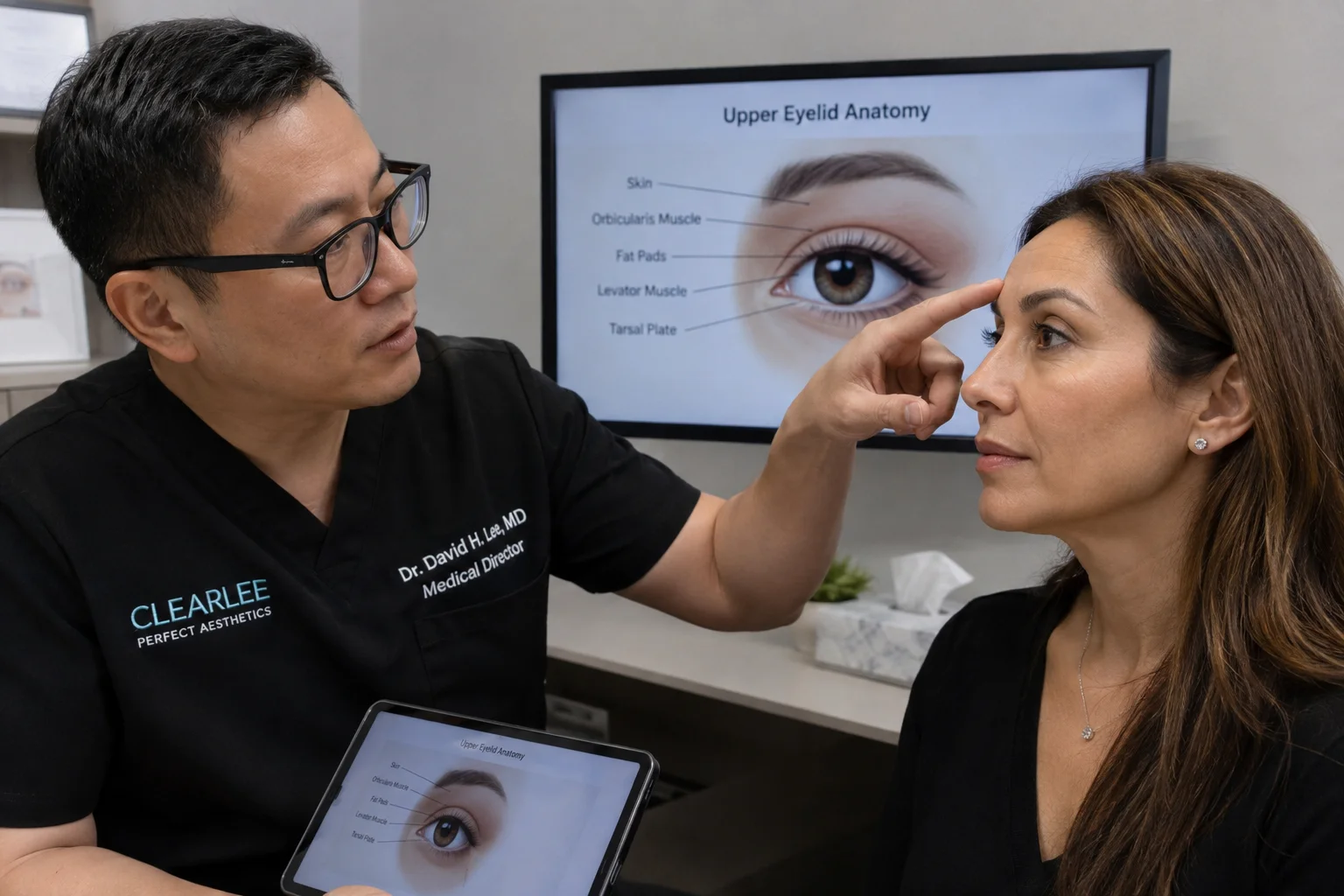
- Thinner skin (e.g., around eyes) needs precision devices
Concern-Based Matching
- Jawline definition → Laser + RF combination
- Neck sagging → Gradual tightening protocols
- Fine lines + texture → Fractional laser
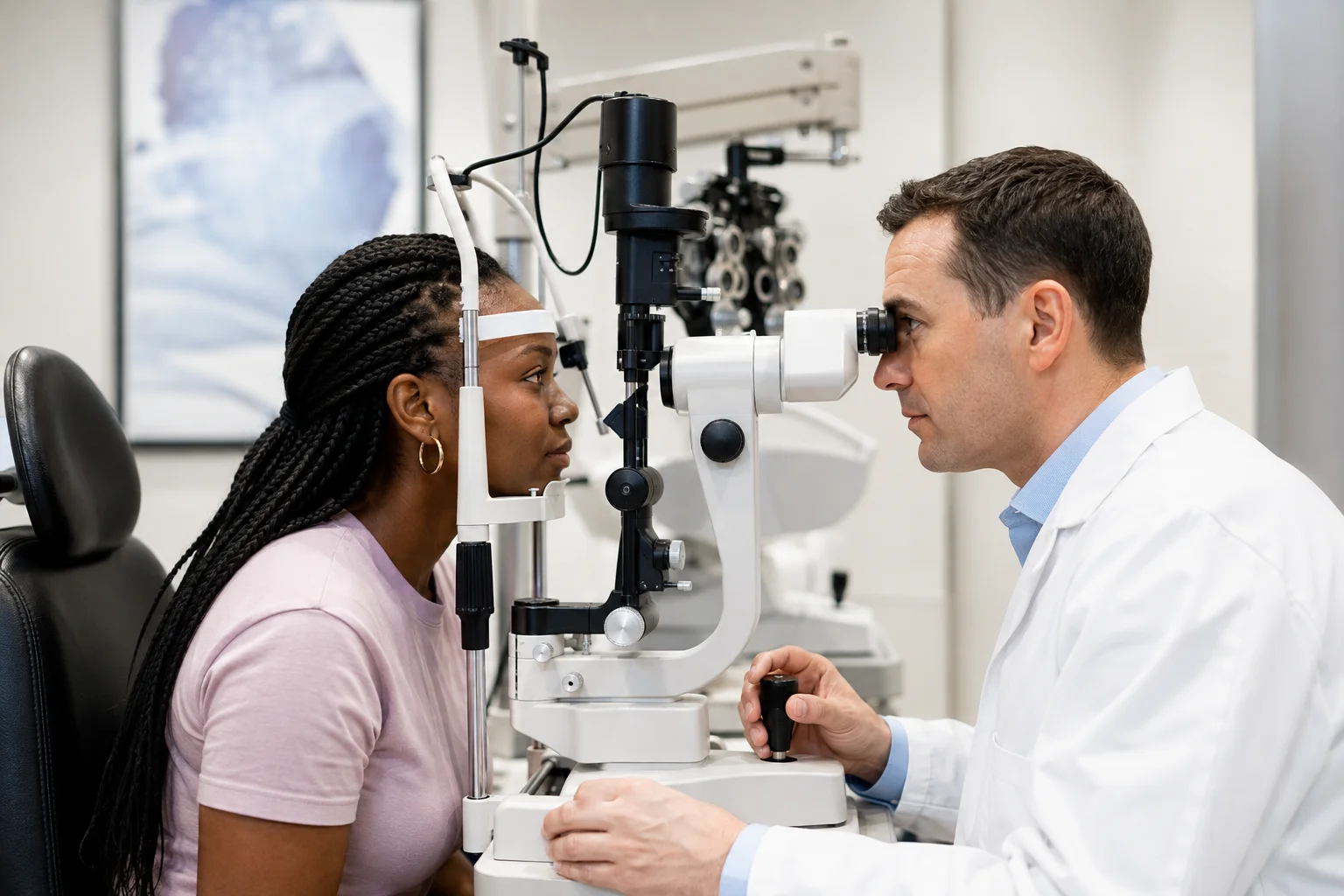
A professional consultation is critical here—customization significantly impacts results.
Laser Skin Tightening Before and After: What to Expect
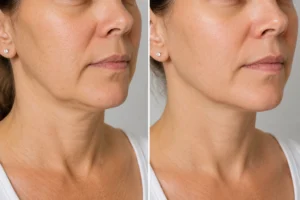
One of the biggest misconceptions is expecting instant results.
Realistic Timeline
- Immediately after: Slight firmness due to collagen contraction
- 4–6 weeks: Early collagen production begins
- 3–6 months: Visible tightening and improved texture
- 6–12 months: Peak results
What Results Actually Look Like
- Subtle lifting (not surgical-level)
- Improved skin firmness
- Smoother texture
- Better jawline definition
Important Reality Check
Laser treatments provide progressive, natural improvements—not dramatic overnight transformations. This is why reviewing authentic laser skin tightening before and after cases is essential when choosing a clinic.
Laser Skin Tightening Price: What You’ll Actually Pay
Pricing varies widely depending on technology, provider expertise, and treatment area.
Estimated Cost by Treatment Area
| Treatment Area | Estimated Price (Per Session) |
|---|---|
| Full Face | $300 – $800 |
| Neck | $250 – $600 |
| Jawline | $200 – $500 |
| Full Face + Neck | $600 – $1200 |
| Body Areas | $500 – $2000 |
What Influences Cost?
- Type of device used
- Clinic reputation and expertise
- Geographic location
- Number of sessions required
- Combination treatments
Clinics like Clearlee Perfect Aesthetics typically provide customized treatment plans rather than fixed pricing—because every patient’s needs differ.
Treatment Areas: Where Laser Tightening Works Best
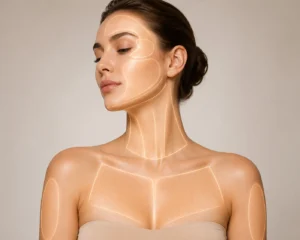
Laser treatments are versatile and can target multiple areas:
Face
- Cheeks
- Under-eye area
- Forehead
Jawline
- Reduces early jowls
- Improves facial contour
Neck
- Addresses loose, crepey skin
- Popular for “tech neck” concerns
Body
- Abdomen
- Arms
- Thighs
For areas like the neck, a neck skin tightening laser approach often requires multiple sessions for visible improvement.
Sessions Required and Treatment Planning
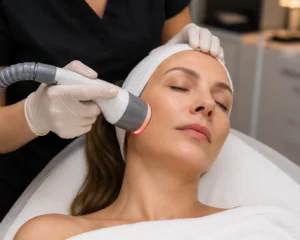
Results depend heavily on consistency and planning.
Typical Treatment Plan
| Number of Sessions | Expected Results |
|---|---|
| 1 Session | Mild tightening, temporary effect |
| 3 Sessions | Noticeable firmness and texture improvement |
| 4–6 Sessions | Significant tightening and contour enhancement |
| Maintenance | Every 6–12 months |
Key Insight
Many patients stop too early. Collagen remodeling takes time, so completing the full protocol is essential for optimal results.
Pain Level, Comfort, and Recovery
During Treatment
- Mild warming or tingling sensation
- Most treatments are well-tolerated
- Cooling systems improve comfort
After Treatment
- Slight redness (few hours to 1–2 days)
- Minimal swelling possible
- No major downtime in most cases
Compared to surgery, this is a low-risk, low-disruption option.
Safety, Risks, and Side Effects
Laser skin tightening is generally considered safe when performed by trained professionals.
Common Side Effects
- Temporary redness
- Mild swelling
- Sensitivity
Rare Risks
- Burns (if improperly performed)
- Hyperpigmentation
- Uneven results
The FDA regulates many laser devices used in aesthetics, which adds an extra layer of safety—but provider expertise remains the most critical factor.
Laser vs Other Skin Tightening Treatments
Laser vs RF
- Laser: More precise, better for targeted areas
- RF: Safer for all skin tones
Laser vs Ultrasound (HIFU)
- Laser: Surface + mid-depth tightening
- Ultrasound: Deeper lifting effect
Laser vs Surgery
- Laser: Non-invasive, gradual results
- Surgery: Immediate, dramatic lifting
Practical Takeaway
For mild to moderate skin laxity, laser treatment for sagging skin is often the best balance between results and safety.
How to Choose the Best Clinic for Skin Tightening
Searching for “laser skin tightening near me” will give you dozens of options—but not all clinics deliver the same quality.
What Actually Matters
- Certified and experienced practitioners
- Use of FDA-approved devices
- Customized treatment plans
- Transparent pricing
- Real patient results (not stock images)
Questions to Ask
- What device will be used and why?
- How many sessions will I need?
- What results can I realistically expect?
- Are combination treatments recommended?
A reputable clinic will always prioritize education over sales.
Frequently Asked Questions
What is the best laser for skin tightening?
The best option depends on your skin type and concerns. Nd:YAG and fractional lasers are commonly used, but many patients benefit most from a customized combination approach.
How much does laser skin tightening cost?
Costs typically range from $200 to $1200 per session depending on the area and clinic expertise.
Is laser skin tightening permanent?
Results are long-lasting but not permanent. Natural aging continues, so maintenance sessions are recommended.
How many sessions are needed?
Most patients need 3–6 sessions for noticeable results, followed by maintenance treatments.
Does laser skin tightening hurt?
The procedure is generally comfortable, with mild heat or tingling sensations.
Is it safe for all skin types?
Many modern lasers are safe for multiple skin types, but darker skin tones may require specialized devices or RF alternatives.
When will results be visible?
Initial results appear within weeks, with full improvement developing over 3–6 months.
Final Thoughts: Making the Right Decision for Your Skin
Choosing the best laser for skin tightening isn’t about picking the most expensive or most popular device—it’s about finding the right treatment strategy for your skin.
A well-planned, professionally guided approach can deliver natural, noticeable improvements without surgery. The key is realistic expectations, proper treatment planning, and choosing a clinic that prioritizes safety and personalization.
If you’re considering treatment, the smartest next step is a consultation where your skin can be properly assessed and a tailored plan created.