Skin Toning vs Fibroblasting: Which Option Is Right for You? Have you noticed your skin looking duller or less firm than it used to? Or that your jawline doesn't look as defined as it once did? You're not alone. As collagen and elasticity decline with age, fine lines, uneven texture, and mild laxity become more …


Skin Toning vs Fibroblasting: Which Option Is Right for You?
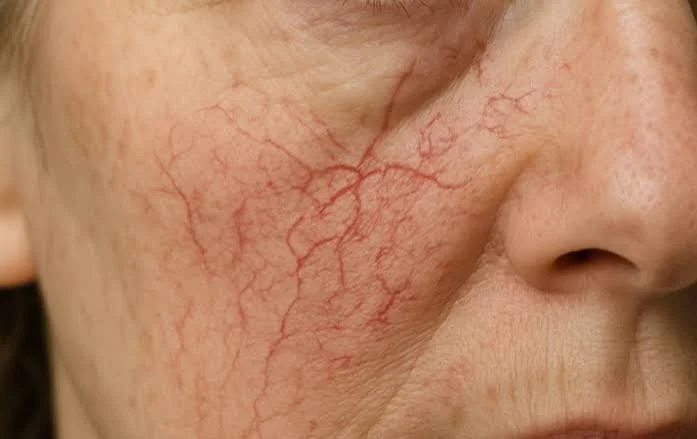
Have you noticed your skin looking duller or less firm than it used to? Or that your jawline doesn’t look as defined as it once did? You’re not alone. As collagen and elasticity decline with age, fine lines, uneven texture, and mild laxity become more noticeable.
Many people want a fresher, firmer look without surgery, which is why skin toning and non invasive skin tightening procedures are searched so often. The trouble is that these terms get mixed up with others, like fibroblasting, even though they describe different things.
This guide explains how they differ and how to choose. If you’re in Flushing, Queens, it will also help you know what to ask before you book.
What Is Skin Toning?
Skin toning is a broad term, not a single technology. It usually describes treatments that improve overall skin quality, such as:
- Uneven texture and dullness
- Uneven pigmentation
- Fine lines
- Mild laxity and overall smoothness
The goal is a fresher, more even look. Someone who wants brighter skin and someone who wants a sharper jawline may need completely different treatments, even if both ask for “toning.”
What Is Fibroblasting?
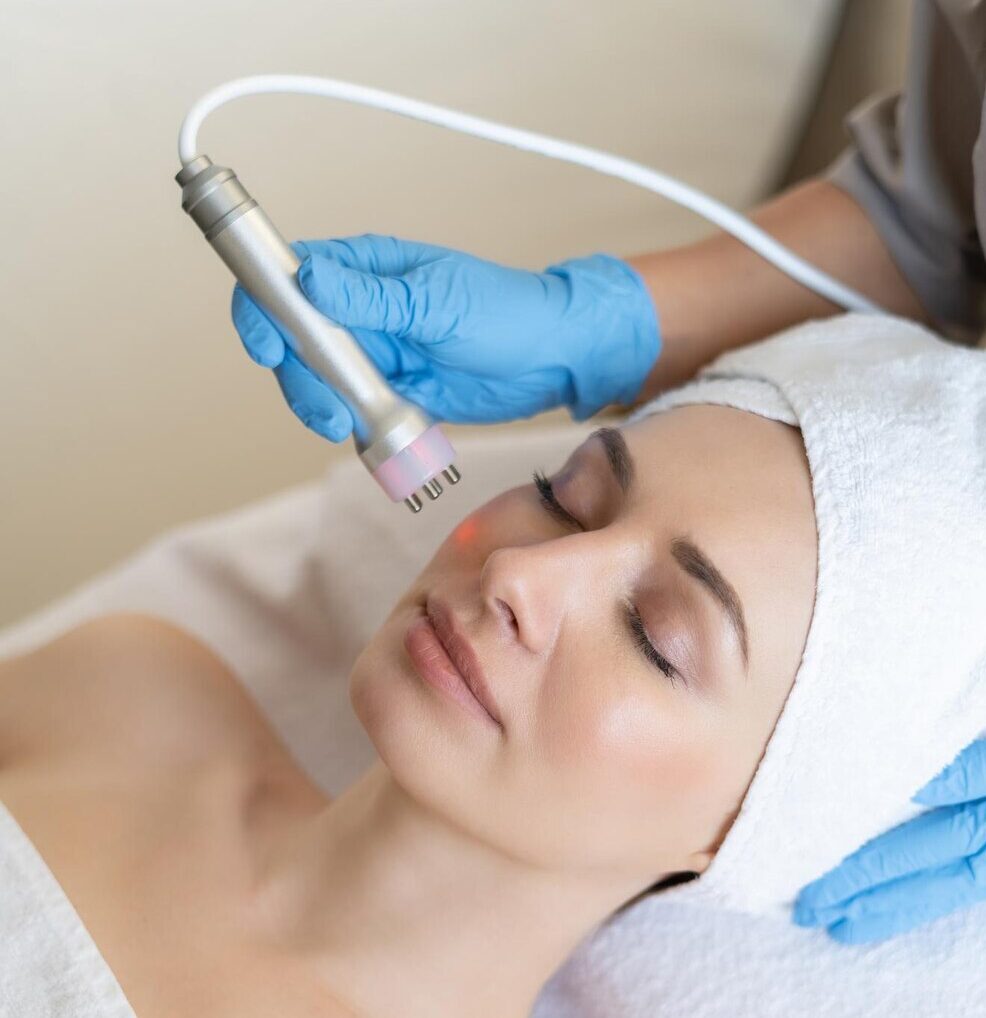
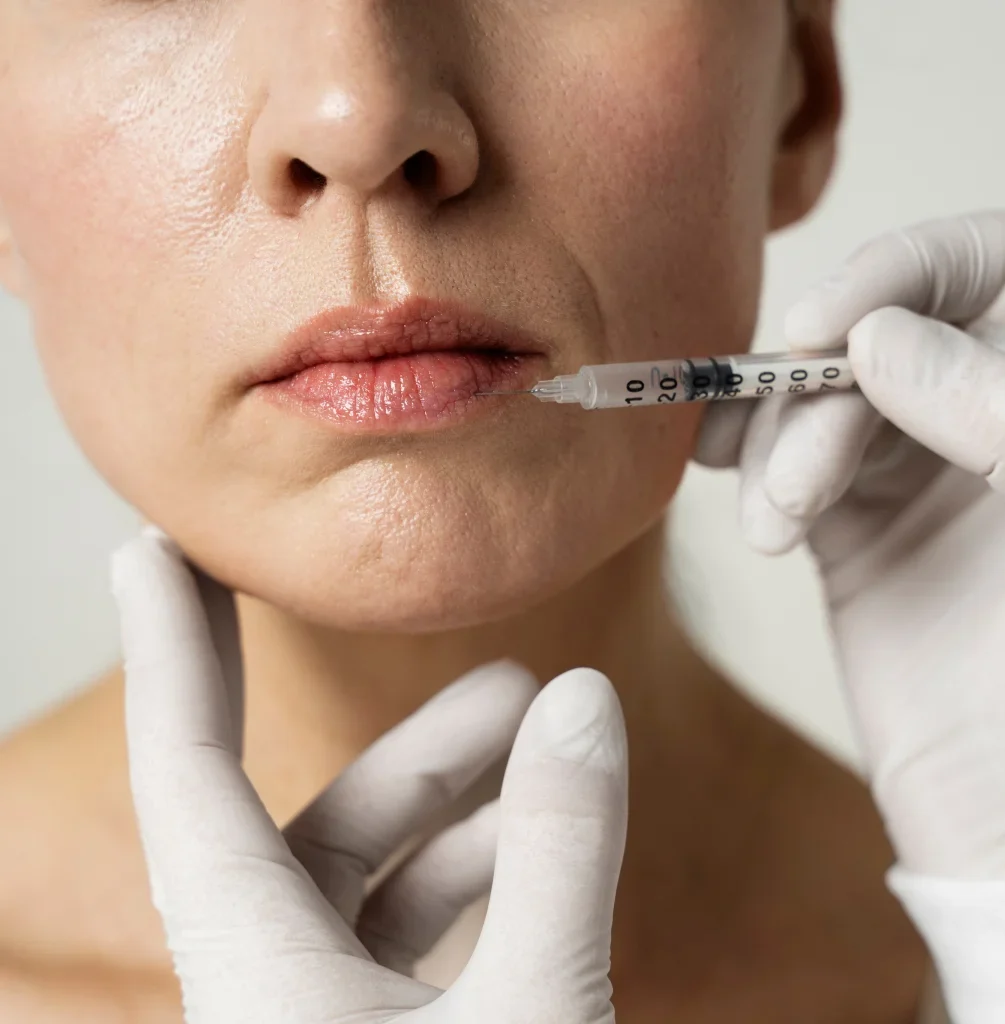
Fibroblasting refers to cosmetic techniques that aim to stimulate fibroblasts, the cells that produce collagen and elastin. The term is most often linked to plasma pen treatments, which deliver controlled energy at the skin’s surface to trigger a healing response and encourage skin remodeling.
It is commonly discussed for:
- Fine lines and wrinkles
- Mild skin laxity
- Uneven skin texture
- Small, localized areas that look less firm
Because providers use the word differently, always ask which technology is actually being used.
Quick Comparison: Which Treatment Does What?
| Skin Toning | Fibroblasting | Endolift | |
|---|---|---|---|
| What it is | Broad category of skin-quality treatments | Plasma-based skin stimulation | Minimally invasive laser treatment |
| Works at | Varies by treatment | Skin surface | Beneath the skin |
| Best for | Texture, tone, overall freshness | Fine lines, small areas, mild laxity | Jawline, lower face, mild to moderate laxity |
| Downtime | Varies | Typically a healing period with visible skin response | Varies; discussed during consultation |
| Sessions | Varies | Often more than one | Depends on goals |
This table is a general overview. Exact details depend on the device, your skin, and your treatment plan.
How Do Non Invasive Skin Tightening Procedures Work?
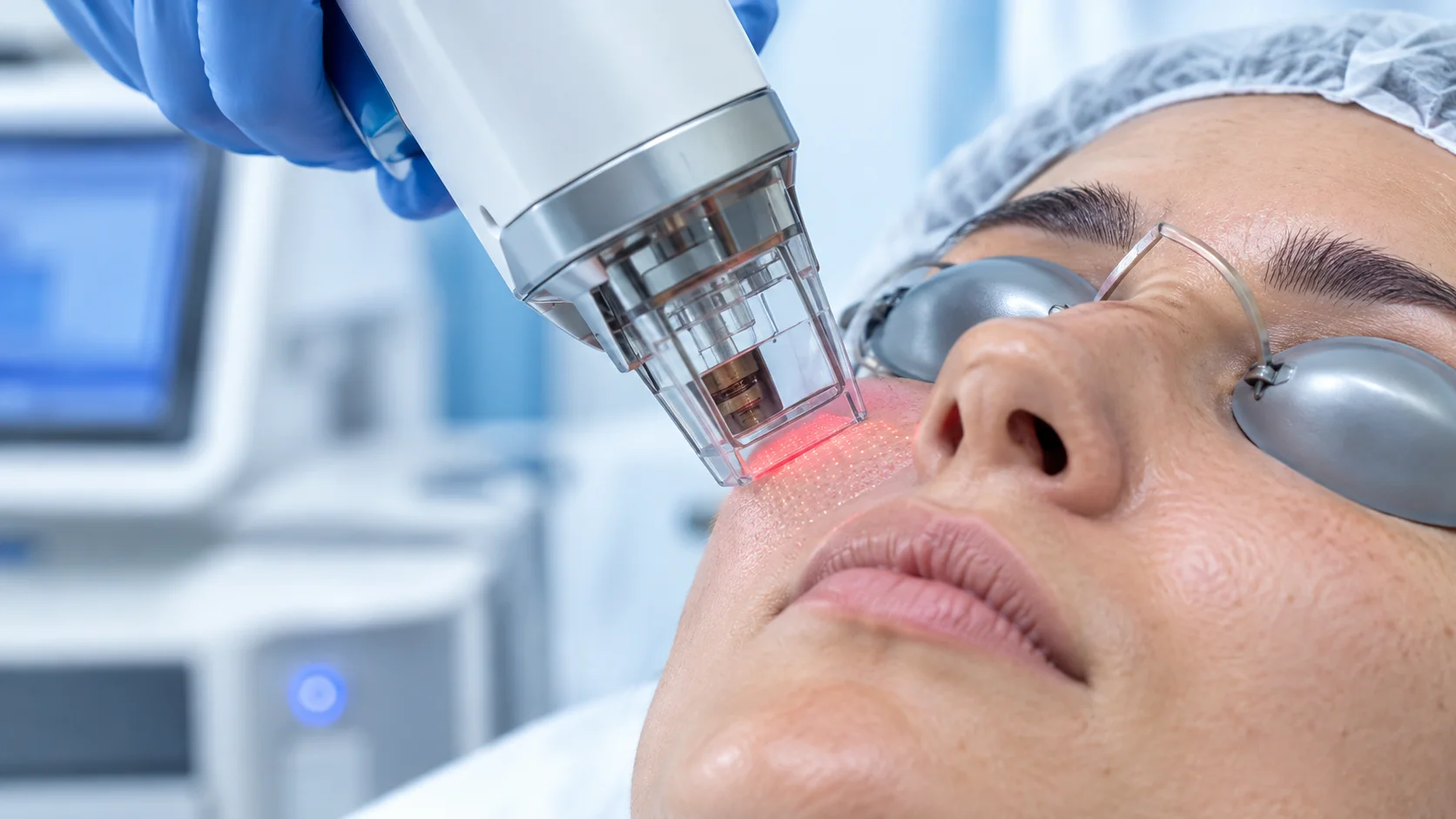
They use energy to improve the appearance of lax skin without surgical lifting. Depending on the technology (laser, radiofrequency, ultrasound, and others), energy reaches different skin depths and can cause controlled heating, collagen remodeling, and stimulation of the body’s natural repair processes.
Mild laxity responds differently from more advanced tissue descent, and the face, neck, and body each call for a different approach.
Where Does Endolift Fit In?
Endolift is a minimally invasive laser treatment. Unlike surface-level treatments, it uses an ultra-thin optical fiber placed beneath the skin to deliver laser energy to targeted areas.
It is designed to:
- Improve the look of mild to moderate skin laxity
- Support facial contouring, such as the jawline and lower face
- Stimulate tissue remodeling over time
It is not a surgical facelift, but for suitable candidates it can offer a noticeable lifting effect without surgery.
Can Skin Toning Fix Loose Skin?
Toning can improve how skin looks and feels, but it is not a guaranteed fix for significant laxity. If your main concern is mild loss of firmness, a targeted tightening treatment may help. If you have substantial excess skin, non-surgical options have limits, and your provider should tell you that honestly.
Risks and Downtime: What to Know Before You Booking
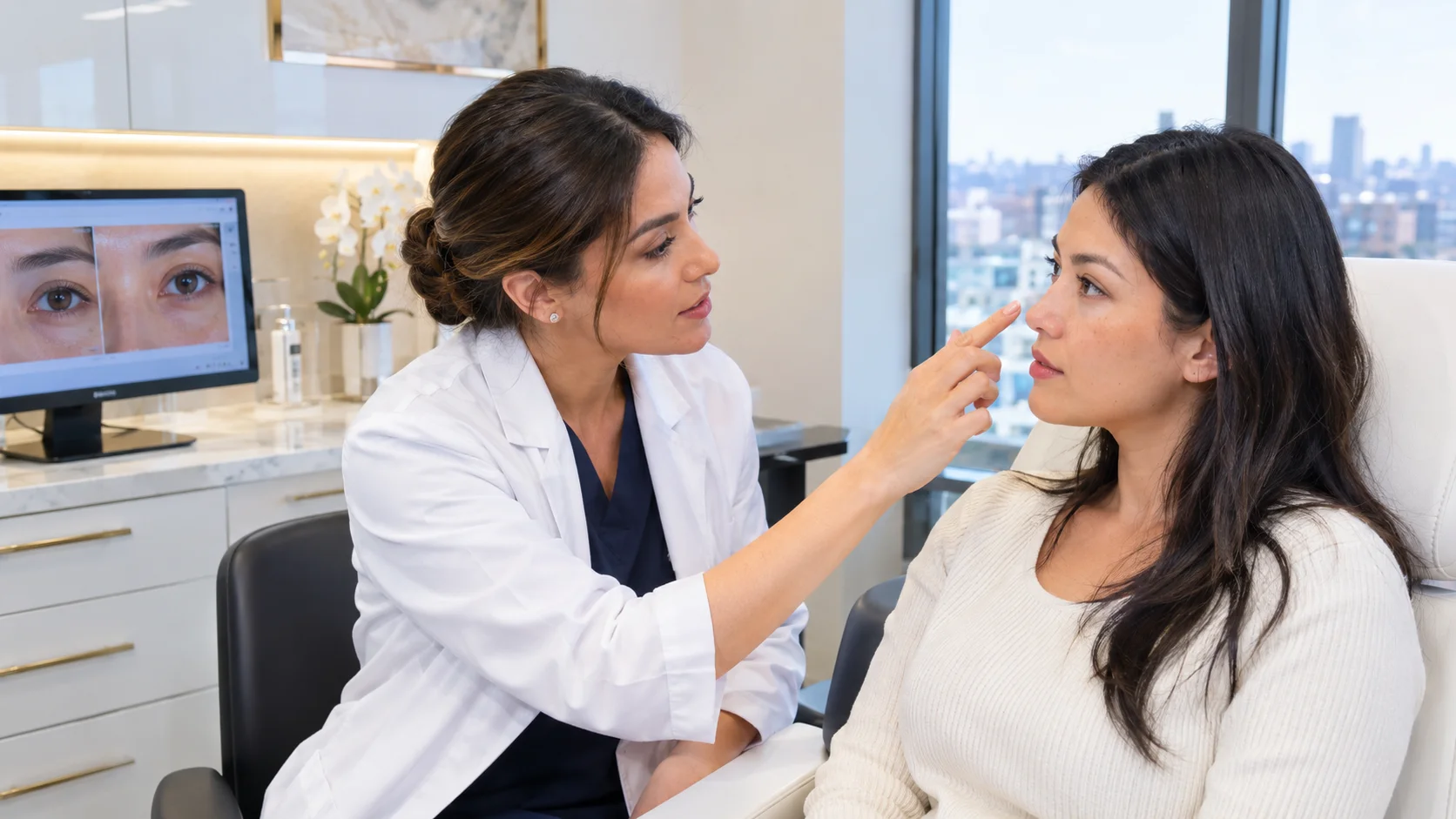
Every aesthetic treatment carries potential risks, and good providers will explain them upfront. Your medical history, skin type, and medications can all affect whether a treatment is suitable, which is why an in-person assessment matters.
Plasma Treatment Risks
Plasma pen treatments can cause temporary redness, swelling, and small scabs or crusts as the skin heals. In deeper skin tones, there is a higher risk of post-inflammatory hyperpigmentation (dark marks), so careful assessment matters. Aftercare, especially sun protection, plays a big role in results.
Endolift Risks
Endolift may cause temporary swelling, redness, or tenderness. Your provider should explain what is typical for your treatment area.
Which Areas Can Be Treated?
The right option depends on the technology used and your individual anatomy.
Lower Face and Jawline
Mild laxity here can blur facial contours. This is one of the most common areas people ask about.
Neck
Skin elasticity often decreases here first. The right option depends on whether the issue is laxity, texture, or volume.
Around the Eyes
This skin is delicate, and not every technology is appropriate here.
Body Areas
Some technologies can treat selected body areas, depending on skin quality and goals.
Who Is a Good Candidate?
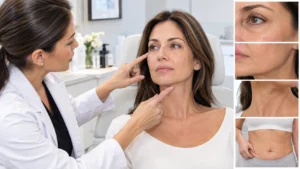
Adults with mild to moderate concerns who want an alternative to surgery may be good candidates for non invasive skin tightening procedures. You might benefit from a consultation if you notice:
- Dull or uneven skin texture
- Mild sagging along the jawline
- Early signs of laxity
- Fine lines linked to reduced elasticity
- Changes in firmness after aging or weight loss
Candidacy can’t be decided from an online description, so a qualified provider needs to evaluate you in person.
What Results Should You Expect?
Results vary with the treatment, your skin condition, and your body’s collagen response. Some treatments show an early change followed by gradual improvement, while others need several sessions.
Be realistic: these treatments can improve the appearance of texture and mild laxity, but they don’t replace a surgical facelift. The goal is a natural-looking improvement that suits your face.
How to Choose the Right Treatment
Questions to Ask Yourself
- What bothers me most? Dullness, texture, wrinkles, loose skin, or contour?
- How much downtime can I accept?
- Which area do I want to treat?
- How significant is the laxity?
Questions to Ask Your Provider
- What technology do you use, and at what depth?
- What results are realistic for me?
- What are the risks and recovery time?
Frequently Asked Questions
Is skin toning the same as fibroblasting?
No. Skin toning is a broad term for improving overall skin quality, while fibroblasting usually refers to plasma-based techniques that stimulate fibroblast activity.
Are non invasive skin tightening procedures safe?
Many can be performed safely when the right technology is chosen and used correctly, but every procedure carries risks. A professional assessment comes first.
How long do results last?
It varies by treatment and person. Aging continues after treatment, so maintenance may be recommended.
Is Endolift a non-surgical facelift?
Endolift is a minimally invasive laser treatment that can lift and tighten for suitable candidates, but it is not equivalent to a surgical facelift.
Skin Toning and Skin Tightening in Flushing, Queens
There is no single treatment that works for everyone. Each option suits different concerns, and the best result starts with choosing the right one for you.
At ClearLee Perfect Aesthetics in Flushing, Queens, we look at your skin quality, facial structure, and goals before recommending anything. If you are considering non invasive skin tightening procedures, a consultation is the best first step.