If you have started looking into eyelid surgery, you have probably run into three titles: oculoplastic surgeon, ophthalmologist (eye surgeon) and plastic surgeon. They overlap, and the search results rarely explain the difference in plain words. This guide does, so you can pick the right doctor for your eyelids, not the one with the best-sounding …
Considering eyelid surgery in Flushing, NY?
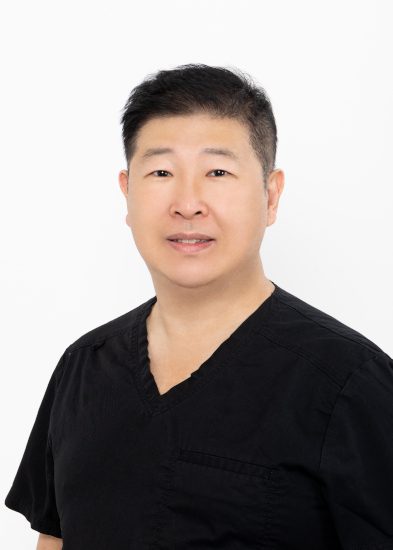
Dr. David H. Lee, MD, a board-certified ophthalmologist, performs every eyelid surgery himself under local anesthesia. Home the same day. $20 consultation. Korean & English spoken.
See prices & patient photos Call or text 929-219-3460If you have started looking into eyelid surgery, you have probably run into three titles: oculoplastic surgeon, ophthalmologist (eye surgeon) and plastic surgeon. They overlap, and the search results rarely explain the difference in plain words. This guide does, so you can pick the right doctor for your eyelids, not the one with the best-sounding title.
What an oculoplastic surgeon is
An oculoplastic surgeon is an ophthalmologist, a medical doctor who finished an eye surgery residency, who then completed an additional fellowship in eyelid, orbit (eye socket) and tear duct surgery. That extra training matters most for the complex cases: eye socket fractures, tumors around the eye, tear duct blockages, thyroid eye disease that needs orbital surgery, and rebuilding the eyelid after skin cancer removal.
If that describes your situation, an oculoplastic specialist is the right first call, and a good general eye surgeon will tell you so.
What an ophthalmologist (eye surgeon) does for eyelids
Every oculoplastic surgeon starts as an ophthalmologist. A board-certified ophthalmologist has spent years examining and operating on the eye and the tissue around it, and many do the most common cosmetic and functional eyelid procedures:
- Upper eyelid surgery (upper blepharoplasty): removing extra upper-lid skin that makes you look tired or gets in the way of seeing
- Lower eyelid surgery (lower blepharoplasty): treating the fat that causes under-eye bags
- Double eyelid surgery: creating a natural upper-lid crease
The advantage of an eye doctor operating on the eyelids is simple: before anyone touches the lids, the eye itself gets checked. Dry eye, how well your lids close, and the health of the eye behind them all change the plan. Eyelid surgery done without looking at the eye is where many unhappy results start.
What a plastic surgeon does for eyelids
Plastic surgeons (and facial plastic surgeons) also perform blepharoplasty, often together with facelifts, brow lifts or other facial procedures. If you want several facial surgeries at once, a plastic surgeon may be the one who can do them in one sitting. What they usually do not do is a full medical eye exam; for that, they rely on your eye doctor.
Oculoplastic surgeon, eye surgeon or plastic surgeon: a quick guide
| Your situation | Who to see first |
|---|---|
| Heavy, sagging upper-lid skin | Board-certified ophthalmologist or oculoplastic surgeon |
| Puffy bags under the eyes | Board-certified ophthalmologist, oculoplastic or plastic surgeon |
| Want a natural double eyelid crease | A surgeon who regularly does double eyelid surgery and can show you their own patients |
| Eyelid tumor, skin cancer reconstruction, eye socket fracture, tear duct surgery, thyroid eye disease surgery | Oculoplastic surgeon |
| Eyelids plus facelift or brow lift at the same time | Plastic or facial plastic surgeon |
Five questions to ask any surgeon, whatever the title
- Will you examine my eyes before planning surgery? The answer should be yes, every time.
- Do you do the surgery yourself? Some offices hand parts of the operation to someone else.
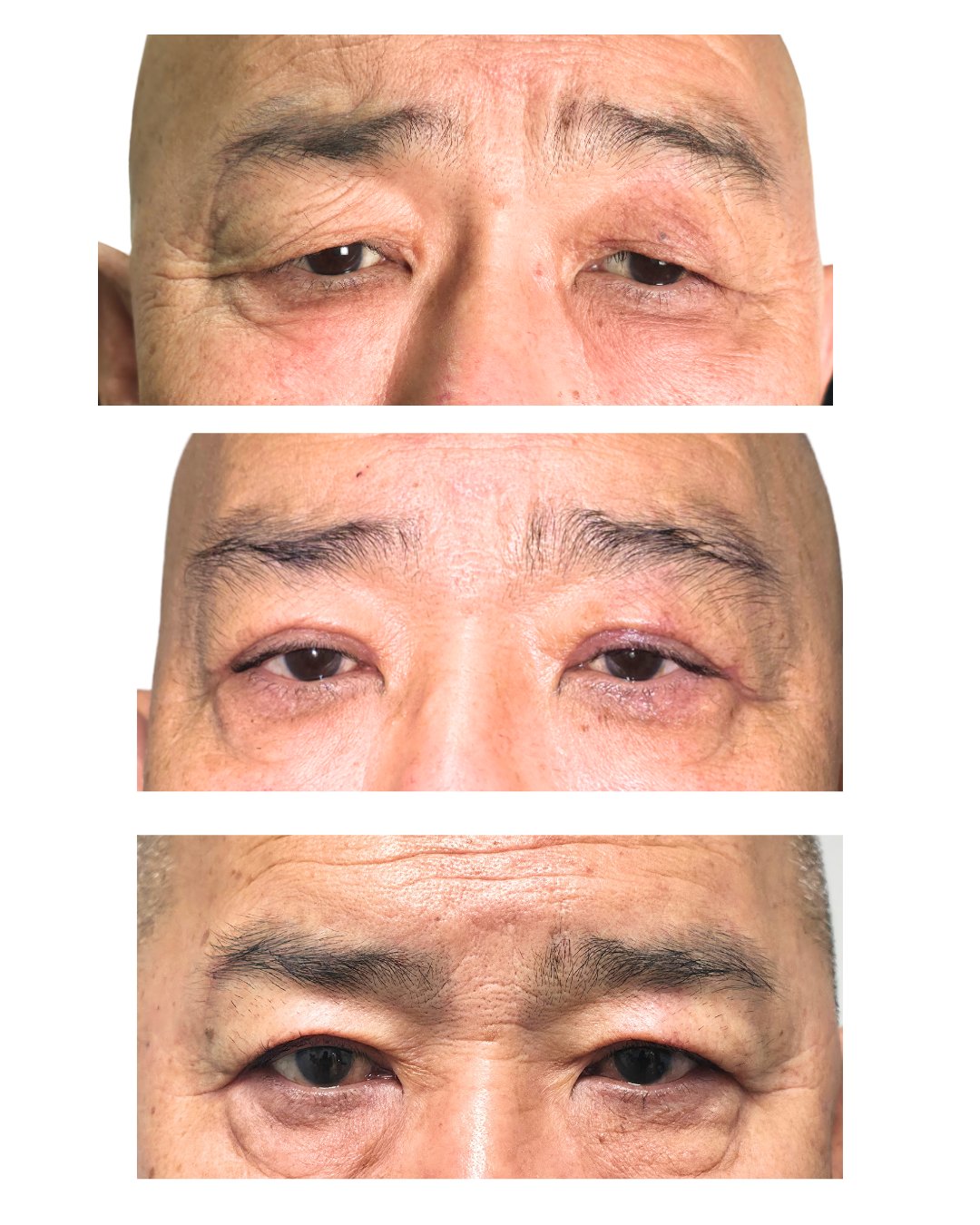
- Can I see your own patients, not stock photos? Ask for before-and-after photos of people they operated on, with dates.
- What is the total price, in writing? A real quote names the procedure and what is included.
- When would you tell me not to have this surgery? A surgeon who never says no is a warning sign.
Eyelid surgery with Dr. David H. Lee in Flushing, Queens
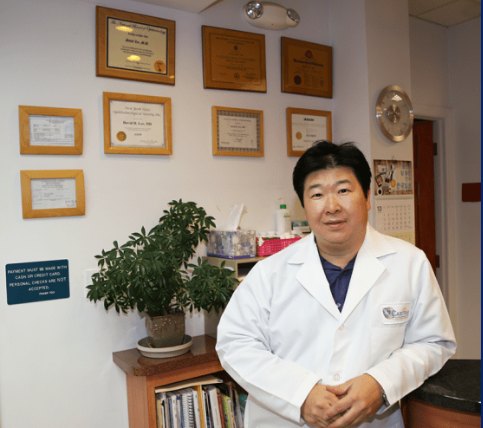
Dr. David H. Lee, MD is a board-certified ophthalmologist (American Board of Ophthalmology) who has practiced in Flushing since 1997. He earned his MD at Mount Sinai School of Medicine and completed his ophthalmology residency at Catholic Medical Center of Brooklyn and Queens. He is not a fellowship-trained oculoplastic surgeon.
What he does do is the three eyelid surgeries most people are actually looking for, himself, after examining your eyes:
- Upper eyelid surgery: $3,000 for both upper eyelids, self-pay
- Lower eyelid surgery: $5,000 for both lower eyelids, self-pay
- Double eyelid surgery: $3,000 for both eyes, self-pay
Every patient starts with a $20 consultation. Dr. Lee examines your eyelids and your eyes, tells you plainly whether surgery will help, and gives you the price in writing before you decide. If your case needs an oculoplastic specialist, for example an eyelid growth, a tear duct problem or orbital surgery, he will say so and point you in the right direction. If surgery won’t help you, you have spent $20 and you know why.
Consultations are Monday to Friday, in English or Korean (한국어 상담 가능), at 142-18 38th Ave, Suite 1A, Flushing, NY 11354. Patients come from across Queens and New York, and from New Jersey, Connecticut and farther.
Common questions
Do I need an oculoplastic surgeon for a blepharoplasty?
Not necessarily. Routine upper and lower blepharoplasty are performed by oculoplastic surgeons, board-certified ophthalmologists and plastic surgeons. What matters most is that the surgeon examines your eyes, does the surgery personally, and can show you results on their own patients. Complex cases, such as tumors, reconstruction, orbital or tear duct surgery, are where oculoplastic fellowship training makes the biggest difference.
Is an ophthalmologist qualified to do eyelid surgery?
Yes. Eyelid surgery is part of ophthalmology training, and many board-certified ophthalmologists perform blepharoplasty. Ask how often they do it and to see their own before-and-after photos.
Is eyelid surgery covered by insurance?
Cosmetic eyelid surgery is self-pay. When drooping skin blocks your vision, or the eyelid muscle itself is weak (ptosis, a different surgery), insurance sometimes covers part of it after testing. At Dr. Lee’s office, upper, lower and double eyelid surgery are self-pay; if he finds a different eyelid problem at your consultation, he will tell you whether insurance may cover that.
How do I know which eyelid surgery I need?
Start with what bothers you: heavy upper lids, bags underneath, or no crease. Each of Dr. Lee’s eyelid pages has a 60-second check that tells you whether you’re likely a candidate before you book. Compare all three eyelid surgeries.