Dry eye disease affects millions worldwide, causing chronic irritation, blurred vision, burning sensations, and fluctuating visual quality. Traditional treatments—such as artificial tears, punctal plugs, and anti-inflammatory medications—provide relief for some but fall short for many. Enter IPL treatment for dry eye, an innovative, evidence-based approach that addresses the root causes of dry eye symptoms rather …

Dry eye disease affects millions worldwide, causing chronic irritation, blurred vision, burning sensations, and fluctuating visual quality. Traditional treatments—such as artificial tears, punctal plugs, and anti-inflammatory medications—provide relief for some but fall short for many.
What Is Dry Eye Disease?
Dry eye disease (DED) is a chronic condition of the ocular surface characterized by insufficient tear production or excessive tear evaporation. This imbalance leads to inflammation, discomfort, and visual disturbance.
Dry eye is often classified into:
- Aqueous deficient dry eye – not enough tear fluid
- Evaporative dry eye – tears evaporate too quickly, often due to meibomian gland dysfunction (MGD)
Burning, gritty sensations, redness, and fluctuating vision are hallmark symptoms.
Why Traditional Dry Eye Treatments May Be Limited
Standard treatments aim to temporarily relieve symptoms but don’t always fix underlying causes. Common options include:
- Artificial tears & lubricating gels
- Anti-inflammatory eye drops (e.g., cyclosporine)
- Warm compress therapy
- Punctal plugs
- Omega-3 fatty acid supplements
While helpful for many, some patients continue to experience discomfort. This gap has led clinicians to explore advanced therapies such as IPL therapy for dry eye.
What Is IPL Therapy for Dry Eye?
IPL (Intense Pulsed Light) therapy is a non-laser treatment originally developed for skin conditions. Recently, ophthalmologists adapted IPL for dry eye, especially cases caused by MGD.
IPL for dry eye uses broad-spectrum light to target abnormal blood vessels and reduce eyelid inflammation, improving oil secretion from meibomian glands and enhancing tear film quality.
How IPL Treatment Works: Mechanisms Explained
Targeting Abnormal Vessels
IPL energy is absorbed by tiny abnormal blood vessels near the eyelids, reducing chronic inflammation that contributes to gland dysfunction.
Heating Meibomian Glands
Gentle heat from IPL pulses warms the glands, liquefying hardened oils for better secretion.
Reducing Mite-Associated Inflammation
Demodex mites and bacteria can worsen inflammation. IPL light helps sterilize the surface, reducing microbial load.
Stimulating Collagen Production
IPL promotes mild regenerative effects in eyelid tissues, improving overall ocular surface health.
For more detailed scientific explanation, see the Tear Film & Ocular Surface Society DEWS II report.
Who Is a Candidate?
IPL is ideal for adults with moderate to severe evaporative dry eye, often associated with MGD. Contraindications include active infections, photosensitive conditions, pregnancy, or certain skin types.
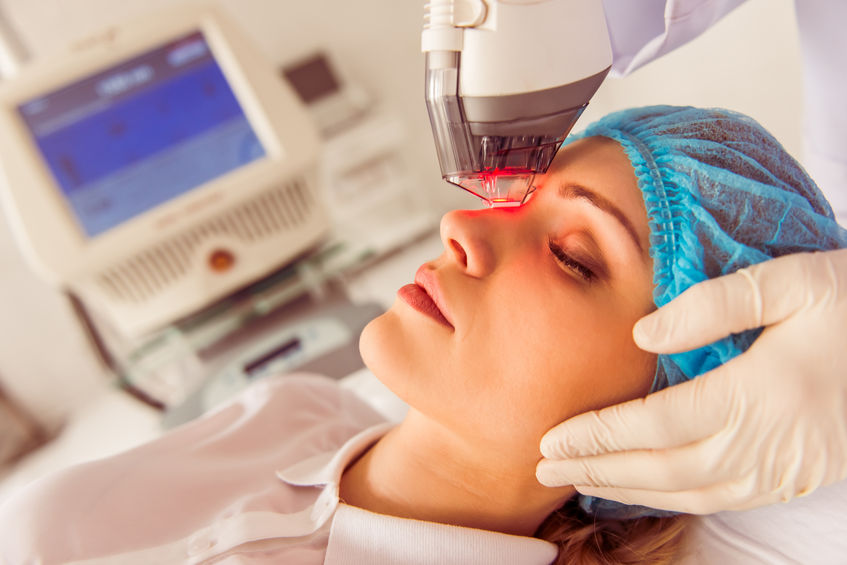
What to Expect During an IPL Session
A typical session lasts 10–20 minutes and involves:
- Consultation and ocular evaluation
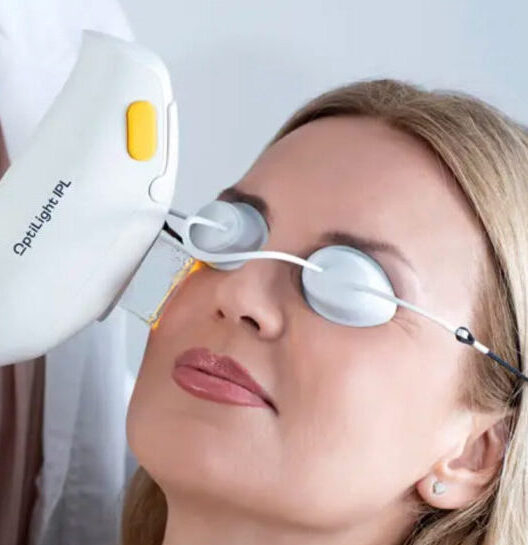
- Eye protection shields
- Cooling gel application
- Series of IPL pulses along lower eyelid and cheeks
- Optional manual gland expression
Most patients report mild warmth or light snapping sensations during treatment.
How Long Does IPL for Dry Eye Last?
IPL effects are cumulative. Most plans involve 3–5 sessions spaced 2–4 weeks apart. Initial relief often occurs after the first session, with maximal improvement after completing the series.
Maintenance sessions every 6–12 months may be recommended. A study in Ophthalmology and Therapy showed sustained symptom improvement for up to 12 months.
Clinical Evidence Supporting IPL Therapy
Clinical studies show IPL improves:
- Tear break-up time (TBUT)
- Ocular surface inflammation
- Meibum quality
- Patient comfort and visual function
For further research, see PubMed for multiple IPL studies.
Benefits of IPL Treatment for Dry Eye
- Relief from dryness, burning, and redness
- Improved tear quality and stability
- Reduced ocular surface inflammation
- Non-invasive with minimal downtime
- Can be combined with thermal pulsation or anti-inflammatory drops
Side Effects and Safety Considerations
Most patients experience only mild temporary effects like redness, warmth, or slight swelling, resolving within 24–48 hours. Choose a trained clinician to ensure safety.
How IPL Compares to Other Dry Eye Therapies
| Therapy | Mechanism | Best for | Duration |
|---|---|---|---|
| Artificial Tears | Lubrication | Mild symptoms | Short |
| Thermal Compress | Heat to glands | MGD | Short |
| Punctal Plugs | Tear retention | Aqueous deficiency | Months |
| Prescription Drops | Reduce inflammation | Moderate | Variable |
| Thermal Pulsation (LipiFlow) | Gland expression | MGD | 6–12 months |
| IPL Therapy | Reduces inflammation & improves glands | MGD | 6–12+ months |
Preparing for IPL Treatment
- Avoid tanning, waxing, or heavy sun exposure
- Remove eye makeup
- Disclose medications and skin history
- Schedule consultation with Clearlee Perfect Aesthetics
Aftercare and Maintenance
Post-treatment care includes:
- Avoid direct sunlight
- Use preservative-free lubricating drops
- Follow eyelid hygiene routines
- Attend scheduled follow-ups and maintenance IPL sessions
Frequently Asked Questions (FAQs)
1. What is IPL treatment for dry eye and how does it work?
IPL treatment for dry eye is a non-laser light therapy that targets inflammation and improves meibomian gland function, leading to better tear quality and symptom relief.
2. How long does IPL for dry eye last?
Results typically last 6–12 months after a full treatment series, though individual outcomes vary and maintenance sessions may be recommended.
3. Is IPL therapy safe for everyone?
Most adults with evaporative dry eye and MGD are candidates, but those with photosensitive conditions or certain skin types may require evaluation.
4. How many IPL sessions are usually needed?
A typical treatment plan includes 3–5 sessions spaced 2–4 weeks apart for optimal results.
5. Can IPL be combined with other dry eye treatments?
Yes, IPL often complements treatments like thermal pulsation, prescription anti-inflammatories, and gland expression procedures.
Conclusion & Next Steps
IPL treatment for dry eye represents a significant advancement for chronic dry eye, especially with MGD and inflammation. By targeting underlying dysfunction, it delivers lasting symptom relief, improved tear quality, and enhanced comfort.
If you’re seeking a comprehensive solution for dry eye, schedule a consultation with the experts at Clearlee Perfect Aesthetics. An individualized evaluation can determine whether IPL treatment aligns with your goals and ocular health needs.
Take the next step toward lasting dry eye relief—book your IPL consultation today.
Book a Consultation
It’s easy and free!